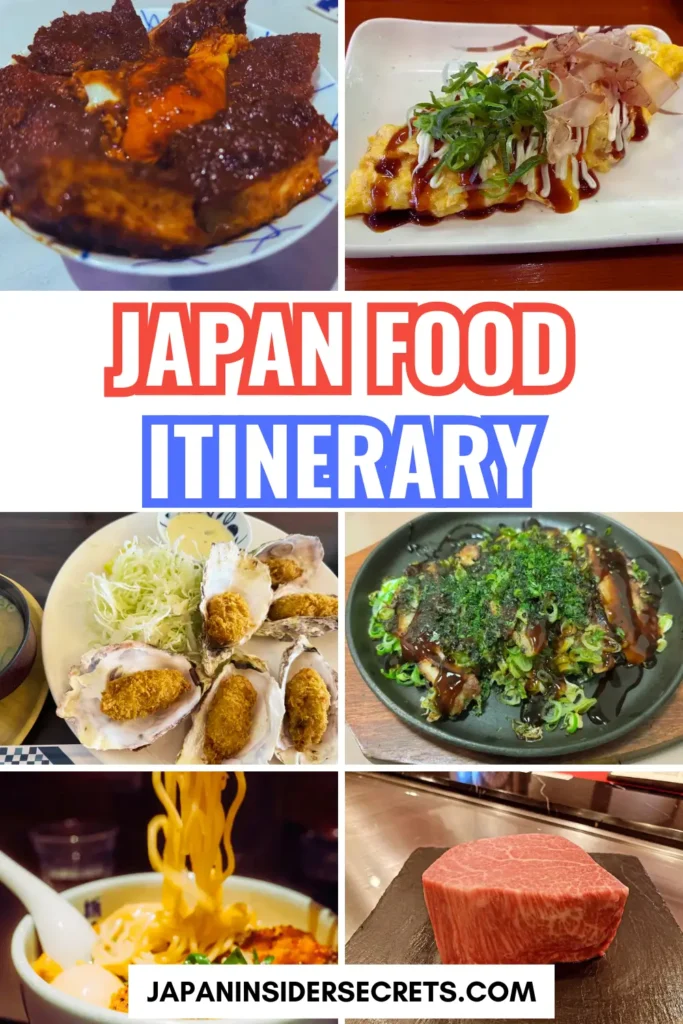
This Japan food itinerary covers fourteen days, seven cities, and seven food cultures that are genuinely distinct from each other.
It runs as a loop from Osaka, so you fly in and out of Kansai International without backtracking. Most long-distance legs work on the Japan Rail Pass. The Matsuzaka day trip uses Kintetsu and requires a separate fare.
Nagoya has its miso culture. Kyoto has tofu and kaiseki. Kanazawa is built around seafood. Hiroshima has okonomiyaki. Kagawa has udon. Matsuzaka has the beef. Each stop is on the route because the food is specific to that place.
The Route
| City | Days | Food identity |
|---|---|---|
| Osaka | 1 and 14 | Arrival and departure, takoyaki, kushikatsu, izakayas |
| Kanazawa | 2 to 3 | Sea of Japan seafood, kaisendon, snow crab, Kanazawa oden |
| Nagoya | 4 to 5 | Hatcho miso dishes, the morning coffee set, tebasaki chicken wings |
| Matsuzaka (day trip) | 6 | Matsuzaka beef teppanyaki and shabu-shabu |
| Kyoto | 7 to 8 | Nishiki Market, obanzai, sukiyaki, kaiseki lunch |
| Hiroshima | 9 to 10 | Layered okonomiyaki, Hiroshima oysters, anago meshi |
| Miyajima | 10 | Grilled oysters, anago meshi, momiji manju |
| Onomichi | 11 | Onomichi ramen, Seto Inland Sea seafood |
| Kagawa | 12 to 13 | Sanuki udon pilgrimage, taimen udon, Seto Inland Sea fish |
Getting Around
Osaka to Kanazawa requires two trains. Take the Thunderbird Limited Express to Tsuruga, then transfer onto the Hokuriku Shinkansen to Kanazawa. Both legs are JR Pass covered.
Kanazawa to Nagoya follows a similar pattern. The Hokuriku Shinkansen takes you back to Tsuruga, where you transfer to the Limited Express Shirasagi. Total journey time is around three hours, and the JR Pass covers the full route.
From Nagoya, you are on the Tokaido and Sanyo Shinkansen lines for the rest of the trip.
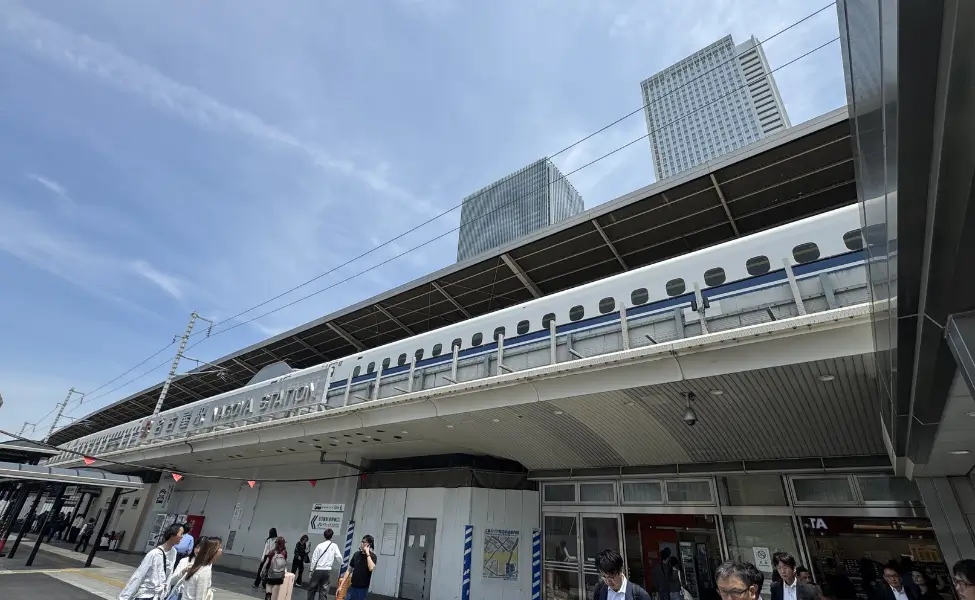
Osaka to Hiroshima runs 85 to 95 minutes by Sakura or Hikari. Onomichi is served by Shin-Onomichi station, a Kodama stop around 20 minutes from Hiroshima.
From there, a local JR train to Fukuyama connects to the Marine Liner across to Takamatsu in Kagawa. The return from Takamatsu to Osaka via Okayama takes around two and a half hours.
All legs are JR Pass covered.
Avoid the Nozomi and Mizuho, which both require a supplement on top of the standard pass. Stick to the Hikari or Sakura between Osaka and Hiroshima.
The Matsuzaka day trip uses the Kintetsu line from Nagoya, a private railway the JR Pass does not cover. Budget around 1,500 yen each way by regular express. The JR Pass itself is not automatically the cheapest option for this itinerary. Run the specific legs through a JR Pass calculator before you buy.
Day 1: Arrive Osaka
Get settled, find wherever you are staying, and spend the evening in a local izakaya with no agenda beyond that.

Osaka is one of those cities that gives you more if you arrive without a plan. The food will still be there tomorrow.
Days 2 and 3: Kanazawa, Ishikawa Prefecture
Why Kanazawa Needs Two Days
The standard Kansai itinerary skips directly from Osaka to Kyoto, and that decision costs you one of the best seafood cities in Japan. Kanazawa sits on the Sea of Japan coast, facing waters cold enough to produce exceptional fish year-round.

It avoided bombing during the Second World War, so its traditional craft culture and cooking survived the 20th century largely intact. Centuries of refinement shaped the food scene here, not postwar rebuilding.
Day 2: Omicho Market and Kaisendon
Take the morning Thunderbird from Osaka and you will be in Kanazawa by midday. Drop your bags and walk directly to Omicho Market, fifteen minutes from the station on foot. The market has operated for over 300 years and holds more than 170 stores.
It runs primarily as a working supply market for local restaurants and residents, which keeps the quality serious and the prices honest.
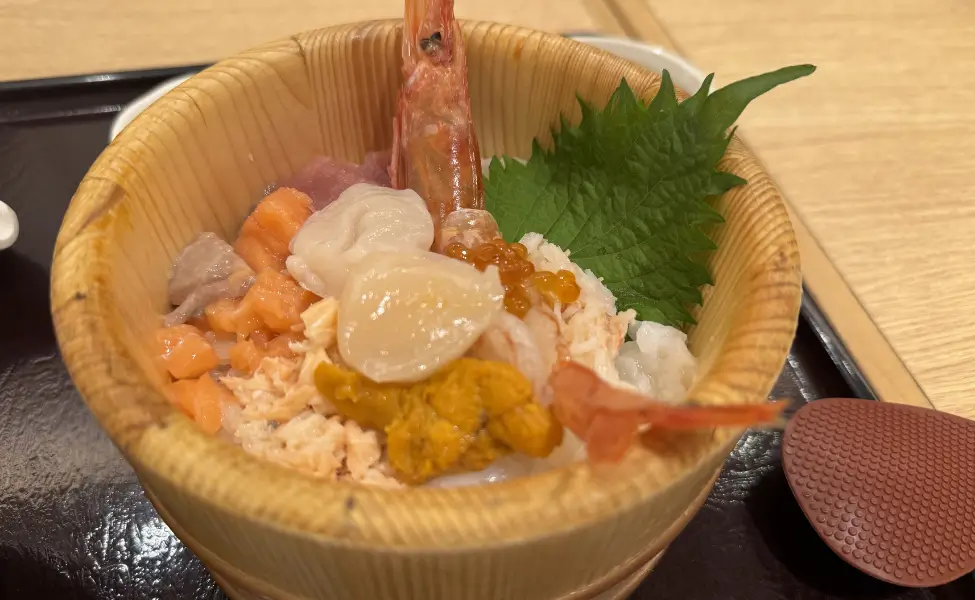
Walk the stalls before you buy anything. You are looking for snow crab in season (November to March), fresh yellowtail, and the crab cream croquettes at Omicho Korokke, made with fresh local crab and crispy enough to hear from across the stall.
For lunch, eat kaisendon at one of the market’s seafood counters. A bowl of warm rice topped with whatever came in from the Sea of Japan that morning, served in a traditional wooden ohitsu bowl that holds the rice at the right temperature as you eat.
This is not a tourist dish assembled for visitors. The fish reflects what the sea is producing right now, and you will taste the difference.
For dinner, find a restaurant serving Kaga cuisine, Kanazawa’s traditional cooking style built on the region’s seasonal ingredients.
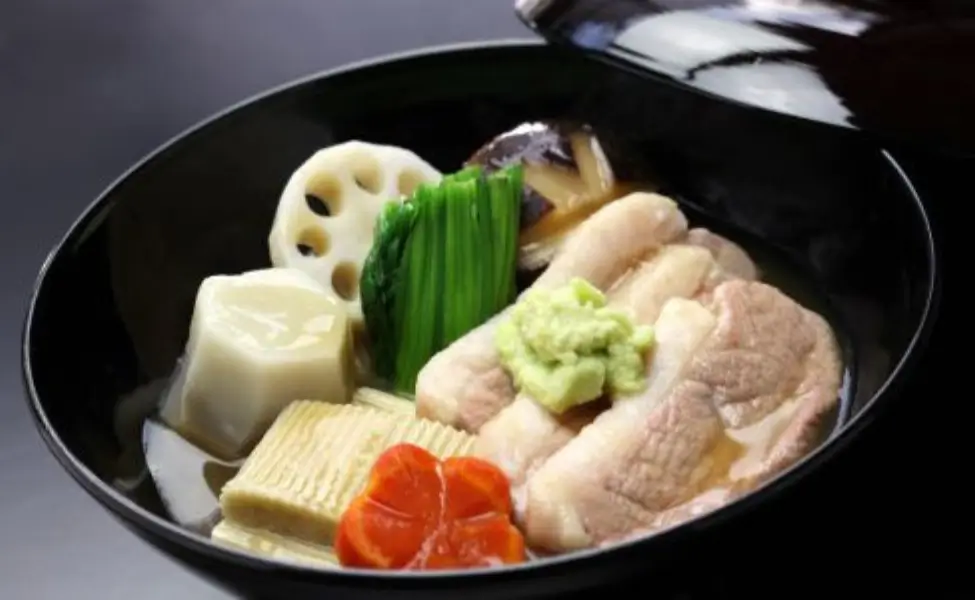
The dishes worth seeking out are built around local seafood and vegetables that simply do not reproduce well anywhere else.
Day 3: Sushi Breakfast, Sake, and Kanazawa Oden
Start back at Omicho for a sushi breakfast at Mori Mori Sushi. It is a conveyor belt restaurant, but one that operates at a standard that would embarrass many sit-down places elsewhere. The fish reflects whatever came in overnight.
Kanazawa produces exceptional local sake, brewed with pure snowmelt water from the Hakusan mountains. Find a sake bar in the Higashi Chaya geisha district in the early evening and work through several varieties.

Dinner should be Kanazawa oden, and it is worth understanding what makes it different before you order.
The dish is built around ingredients specific to this coast: bai gai (whelk), kani men (crab meat simmered back inside the shell), kurumafu (thick wheat gluten rounds that absorb the broth slowly), megisu fish balls made from local white fish, and akamaki, a red-tinged fish paste product found only in Kanazawa.
Days 4 and 5: Nagoya, Aichi Prefecture
Why Nagoya Has the Most Original Food Culture in Japan
Tokyo has sushi. Osaka has street food. Kyoto has kaiseki. Nagoya has something none of those cities have: a food culture it invented entirely on its own.
Nagoya Meshi is the umbrella term for the city’s local cuisine. Many of its most famous dishes use Hatcho miso, produced by fermenting soybean paste for at least two years in giant cedar barrels in Okazaki, just east of the city. This is not the pale, mild miso in your morning soup. It is dense, almost black, and carries a deep savour that anchors every dish it touches.

Tebasaki wings, kishimen noodles, and the morning coffee set sit alongside the miso dishes and show how broad Nagoya Meshi actually is.
Local cooks did not import or adapt any of this from elsewhere. They invented it in Nagoya.
Travel from Kanazawa takes approximately three hours via the Hokuriku Shinkansen to Tsuruga, then the Shirasagi limited express into the city.
Day 4: Arrive and Eat Miso Katsu
Arrive in the early afternoon and find Misokatsu Yabaton for dinner. One of the oldest miso katsu restaurants in the city, Yabaton serves the dish that defines Nagoya’s miso cooking most directly.
A deep-fried pork cutlet under a thick, glossy Hatcho miso sauce.
Yabaton has English menus but if you are adventurous, there are plenty of other options.
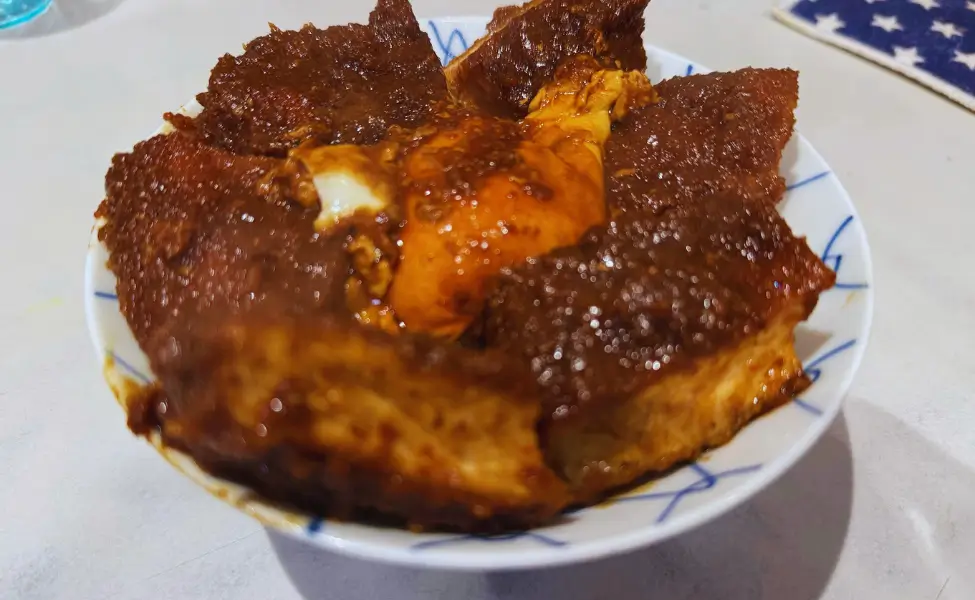
The contrast between the crisp breaded exterior and the intense sweet-savoury miso is a good introduction to what the rest of your time here will taste like.
Day 5: A Full Nagoya Meshi Day
Start with the Nagoya morning. Walk into almost any independent café before 11am, order a coffee, and a full breakfast arrives alongside it at no extra charge.
Toast, a boiled egg, a small salad at minimum, with some cafés adding red bean soup, chicken wings, or small sandwiches.
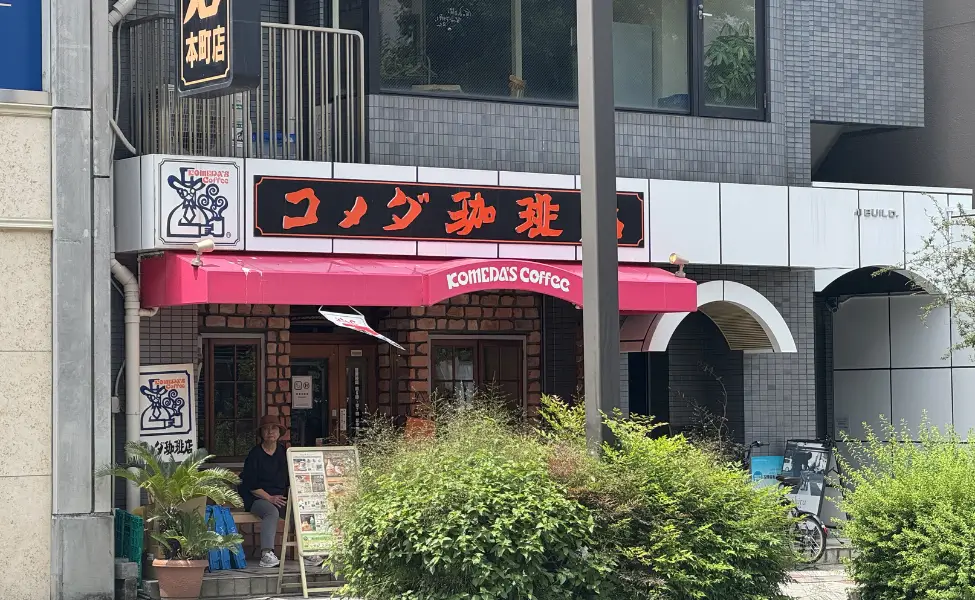
This practice started in the 1950s as a way to keep café customers in their seats longer, spread city-wide, and never stopped. Nobody does this anywhere else in Japan at this scale, and it is one of the most quietly remarkable things about Nagoya.
For lunch, choose between miso nikomi udon and kishimen.

Miso nikomi udon cooks thick, firm noodles in a dark miso broth inside an earthenware pot at the table. The noodles emerge with a firmness you will not find in udon anywhere else in Japan.
Kishimen is Nagoya’s flat noodle, wider and thinner than udon, and served in a clear dashi broth that sits in sharp contrast to the miso-heavy dishes surrounding it on the menu.
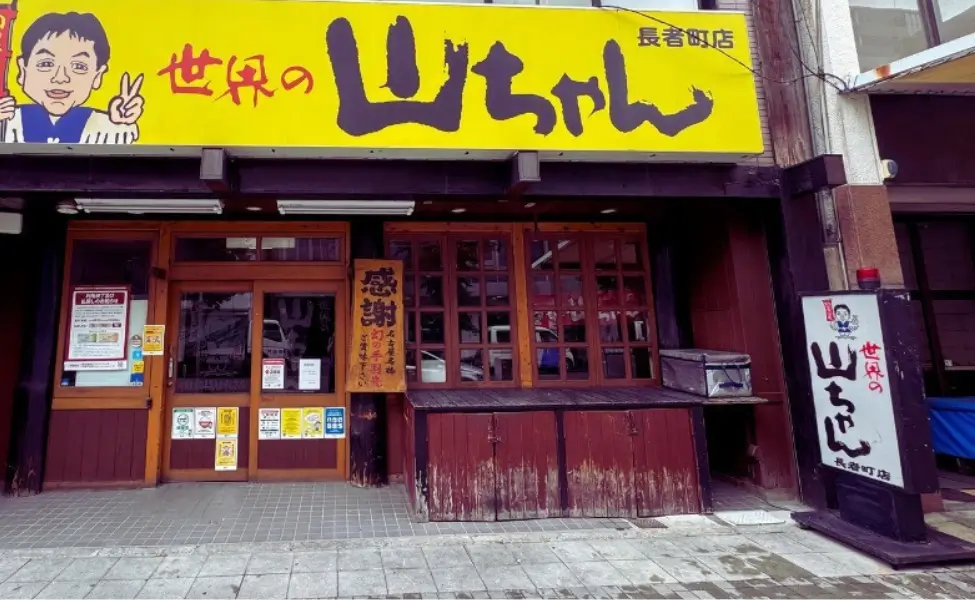
End the day with tebasaki chicken wings. Double-fried until the skin is paper-thin and deeply crispy, coated in sweet-savoury sauce and finished with black pepper and sesame. Furaibo invented the dish. Sekai no Yamachan is the other major name and my favourite.
Both are izakaya settings, which means cold beer, noisy tables, and a steadily growing pile of bones in front of you by the end of the evening.
Day 6: Day Trip to Matsuzaka, Mie Prefecture
Most visitors to Japan have heard of Kobe beef. Among Japanese connoisseurs, Matsuzaka beef is considered equal to Kobe for most cuts and superior for some. Only virgin female wagyu are used, which produces a fat that is softer and more aromatic.
The marbling is extraordinary. And because Matsuzaka city remains largely off the international tourist route, you eat it in restaurants that exist to serve local customers rather than overseas visitors hunting a status dish.
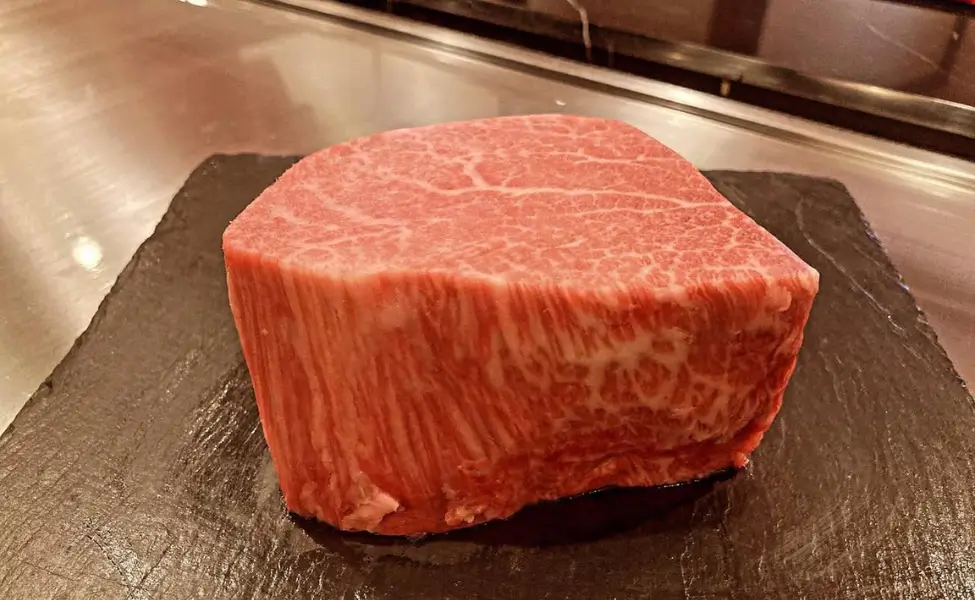
Take the Kintetsu limited express from Kintetsu-Nagoya Station, around one hour. This is a private line not covered by the JR Pass, so buy a separate ticket before boarding. Budget around 1,500 yen each way by regular express.
The main choices are teppanyaki, where the beef cooks on an iron plate in front of you, or shabu-shabu, where thin slices are briefly swirled through simmering broth and eaten almost raw. Shabu-shabu shows off the texture and fat quality most clearly.
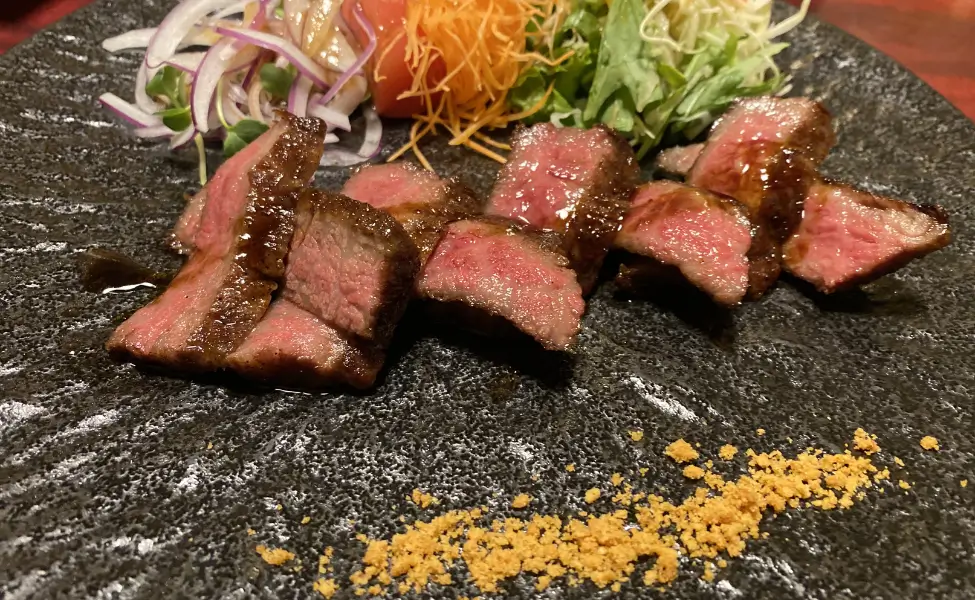
Teppanyaki gives you the caramelisation and the aroma. There is also Matsuzaka beef sushi, using chuck rib cut for its silky texture and fat that melts at low temperatures, behaving on the rice much like fatty tuna.
Return to Nagoya in the late afternoon and take the Hikari Shinkansen to Kyoto, 35 minutes.
Days 7 and 8: Kyoto, Kyoto Prefecture
Day 7: Nishiki Market and Obanzai
Go directly to Nishiki Market on arrival, a narrow covered arcade running for around 400 metres through the Kawaramachi shopping district. It has operated as Kyoto’s kitchen for over 400 years and holds approximately 130 shops and stalls.
Walk the full length before buying anything.
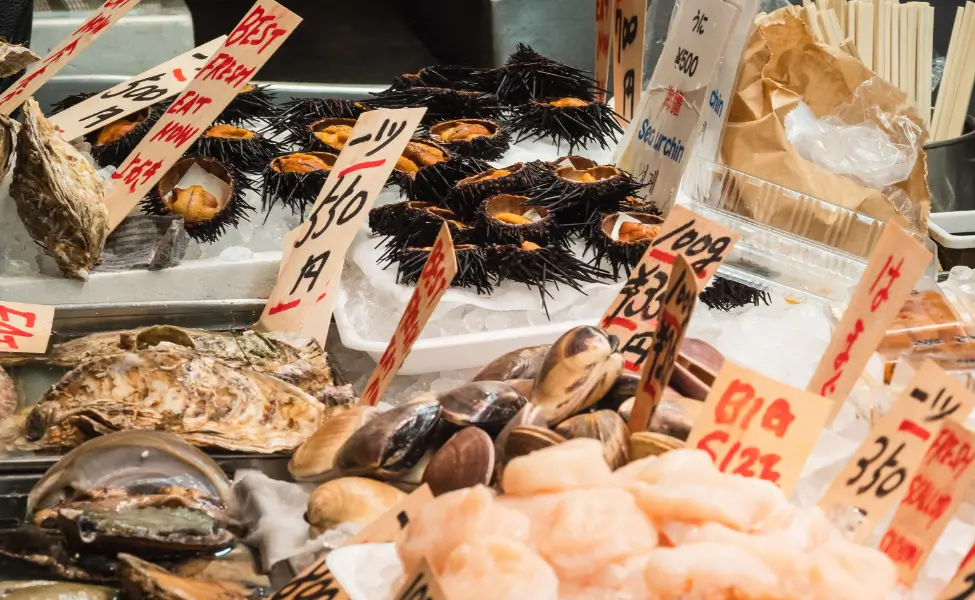
What you are looking at is the ingredient list for Kyoto cooking: pickled vegetables in dozens of varieties, fresh tofu in textures that exist nowhere outside this city, grilled skewers, tamago blocks, fresh yuba (tofu skin), and matcha in every form imaginable.
Buy what interests you and eat near where you bought it. Eating while walking is considered poor form here.
For dinner, find an obanzai restaurant. Obanzai is Kyoto’s everyday home cooking, a rotating selection of small seasonal dishes built on vegetables, tofu, and fish.
It is usually inexpensive, always seasonal, and overlooked almost entirely by visitors chasing the expensive version of Kyoto cuisine.
Day 8: Hot Pot, Kaiseki, and Uji Matcha
Kyoto is one of the better cities in Japan for sukiyaki and shabu-shabu, and both deserve more than a mention on a food trip here.
Sukiyaki is thinly sliced beef, tofu, and vegetables cooked in a sweet soy and mirin broth at the table, eaten dipped in raw egg.
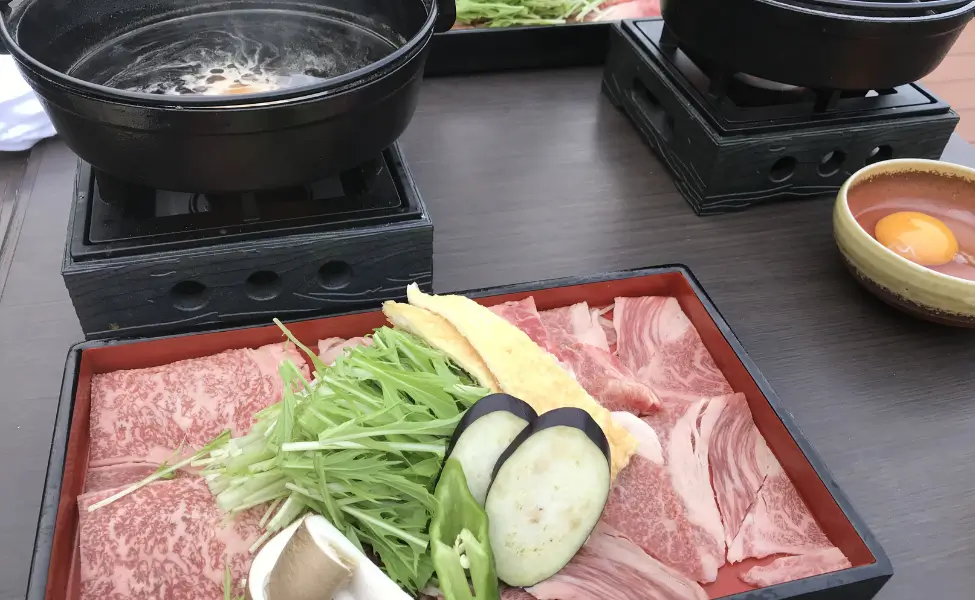
Kyoto versions tend toward a sweeter, more delicate broth than you find in Tokyo and lean on high-quality local wagyu.
Shabu-shabu, where paper-thin beef swirls briefly through clear kombu broth before being dipped in ponzu or sesame sauce, suits the cleaner flavour profile Kyoto cooking tends toward.
Long-running specialist restaurants in Kawaramachi and Gion have been doing both for generations without much fanfare. Not expensive tourist experiences in the way kaiseki is. Just how people eat well here.
Book a kaiseki lunch in advance. Kaiseki is a multi-course meal built around seasonal ingredients, with each dish precisely prepared as a visual and flavour composition. It grew out of the food served at formal tea ceremonies.

A mid-range Kyoto restaurant charges between 5,000 and 15,000 yen per person for lunch. Book at least two weeks ahead. Many of the better places do not offer English-language booking, so contact your hotel concierge as soon as your travel dates are confirmed.
In the afternoon, take the JR Nara Line 17 minutes south to Uji. Tea cultivation here goes back around 800 years. The matcha from shade-grown tencha leaves has a depth of flavour that bears no resemblance to the powdered green tea sold under the matcha label anywhere else in the world.

Drink a bowl at one of the tea houses along the river and buy some to take home.
Days 9 and 10: Hiroshima, Hiroshima Prefecture
Why Hiroshima
Hiroshima’s food identity rests on three dishes: okonomiyaki, oysters, and anago meshi, which is broiled saltwater conger eel over rice.
Each one is deeply tied to this city and worth eating here. Take the Hikari or Sakura Shinkansen from Shin-Osaka, 85 to 95 minutes.

Day 9: Layered Okonomiyaki and Oyster Izakaya
Go to Mitchan Souhonten for your first Hiroshima okonomiyaki. Founded in 1950, Mitchan is where the modern Hiroshima style was created. The Hatchobori main store has the most authentic atmosphere.
The branch inside Hiroshima Station’s ekie building works well if you arrive hungry and want to eat immediately.

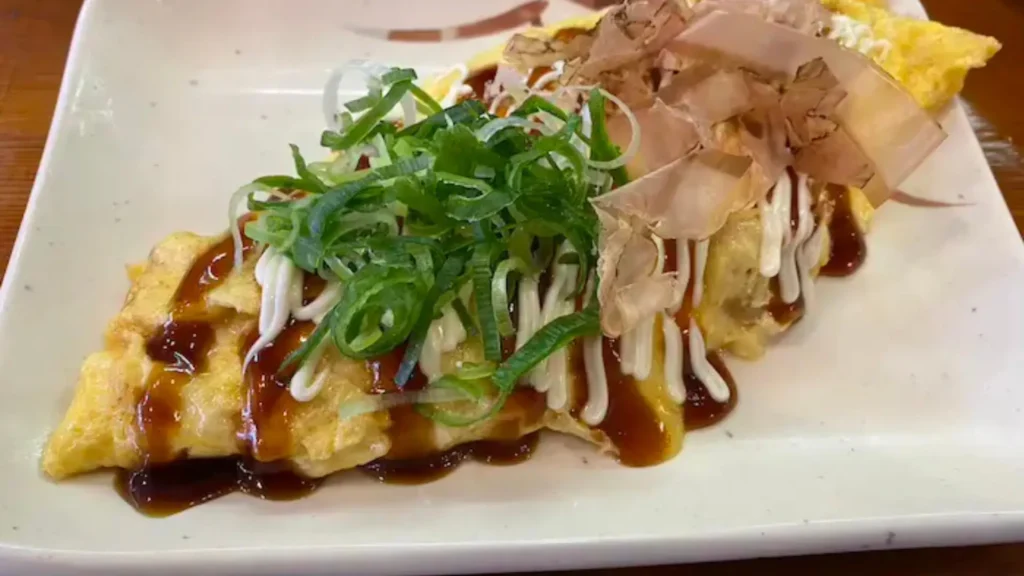
The Hiroshima version builds in layers rather than mixing everything together. The chef lays thin batter on the griddle, adds cabbage, then pork, then Chinese noodles, then egg, and flips the whole structure upward.
Every bite contains a different combination of textures.
File this away alongside the Osaka version you ate on Day 1, because the debate between the two styles runs deep in Japan and you will now have a direct opinion on it.

In the evening, find an oyster izakaya. Hiroshima Prefecture produces around 60 percent of Japan’s oyster supply. The calm, nutrient-rich waters of the Seto Inland Sea grow oysters that are plump, creamy, and deeply flavoured.
Eat them grilled, steamed, and fried as kaki furai.
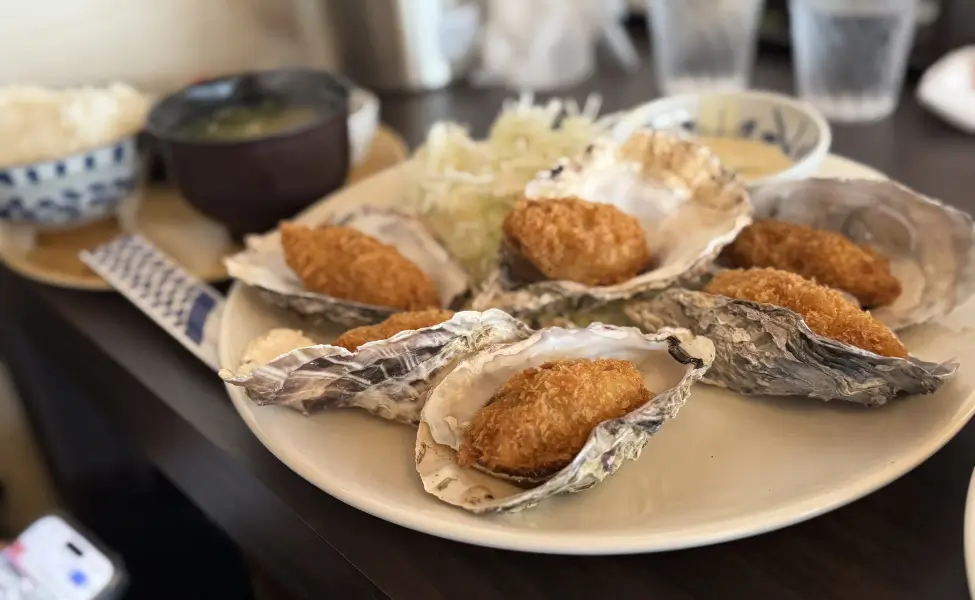
Order local Hiroshima sake alongside, from a producing region of serious standing that pairs with oysters as well as anything on this trip.
Day 10: Miyajima Island
Take the JR train to Miyajimaguchi and the ten-minute ferry across to Miyajima.
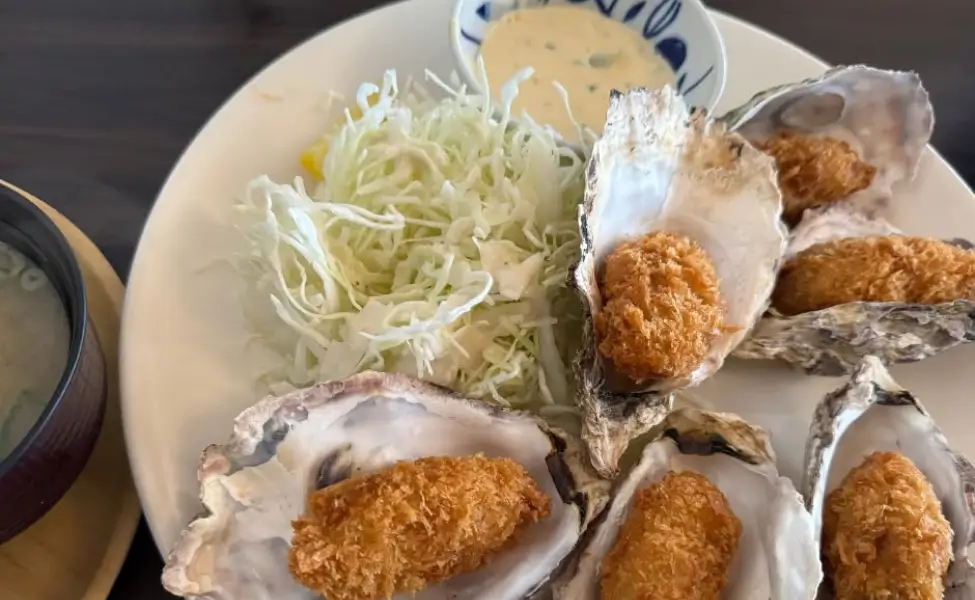
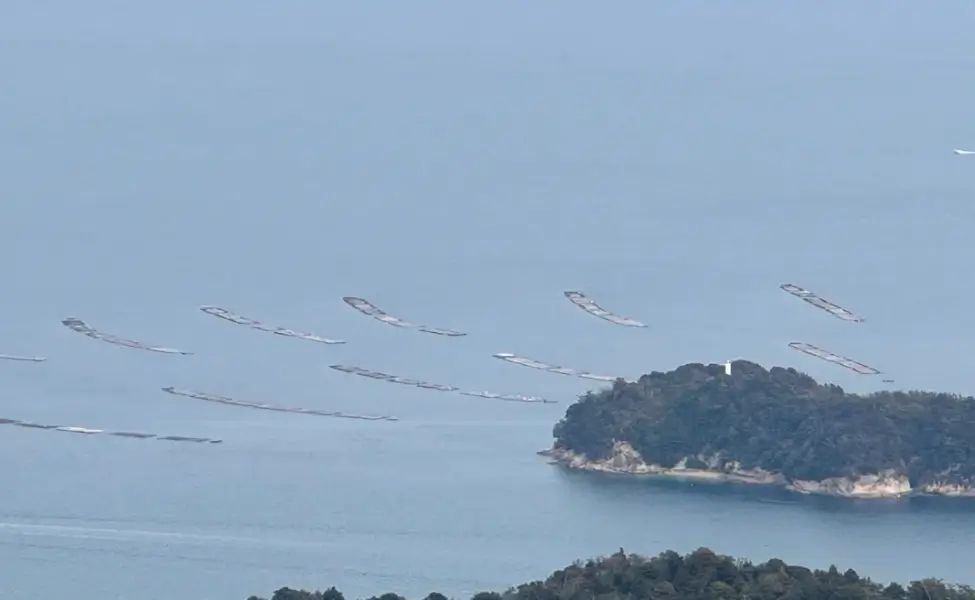
The grilled oysters along Omotesando street are cooked over charcoal by vendors and handed to you in the shell, and they are among the freshest you will eat on this trip.
The farms are visible from where you stand eating them.
Anago meshi is the other essential dish here. Anago is saltwater conger eel, fundamentally different from the more widely known unagi freshwater eel.
The Miyajima version is softer, less oily, and glazed with a more subtle sweet-savoury sauce, served over rice in a lacquered box.
Pick up momiji manju as you walk, the maple-leaf-shaped cakes filled with red bean paste that are made fresh throughout the day.

Return to Hiroshima for the evening, then take the Kodama Shinkansen one stop west to Shin-Onomichi, around 20 minutes.
Day 11: Onomichi, Hiroshima Prefecture
Onomichi is a port town on the Seto Inland Sea that most people pass through on the way to the Shimanami Kaido cycling route. Most people should stop for longer.

The food reason is Onomichi ramen. The broth is soy sauce-based, built from chicken bones and small fish caught in the Seto Inland Sea. clear and light in appearance, but genuinely deep in flavour.
Flat medium-thin noodles, pork back fat floating on the surface, and portions smaller than most regional ramen styles, which means eating at two shops in a morning is both reasonable and encouraged.
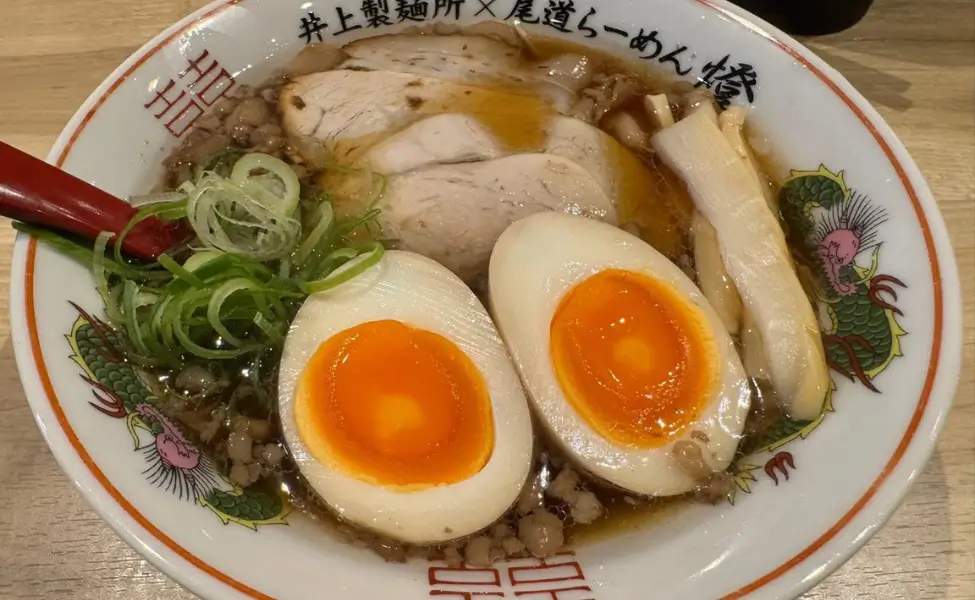
Beyond ramen, Onomichi has good access to Seto Inland Sea seafood. Sea bream and octopus from the local waters are worth a second meal at one of the port-side restaurants before moving on.
Days 12 and 13: Kagawa Prefecture
Kagawa Prefecture on the island of Shikoku is known throughout Japan simply as the udon prefecture. Sanuki udon has a firmness and chew that is distinct from the udon eaten in Nagoya and elsewhere on this trip.
The noodles are thick, smooth, and substantial, served in a clean dashi broth or cold with dipping sauce, topped simply with green onion, grated ginger, and a raw egg if you want it.

From Onomichi, take a local JR train to Fukuyama and the Marine Liner across to Takamatsu, the main city in Kagawa. Around an hour and a half, JR Pass covered.
The Udon Pilgrimage
What makes two days here different from eating udon anywhere else is the culture around it. Locals think nothing of visiting two or three shops before noon. The shops open early, the queues move fast, and most of the better ones are small, counter-only places that do not appear in standard travel guides.
Meriken-ya near Takamatsu Station opens at 7am and is a consistent starting point. Waraya, housed in a reconstructed traditional thatched farmhouse near Ritsurin Garden, adjusts the salt content of the dough based on daily humidity, which sounds like detail for its own sake until you taste the difference.
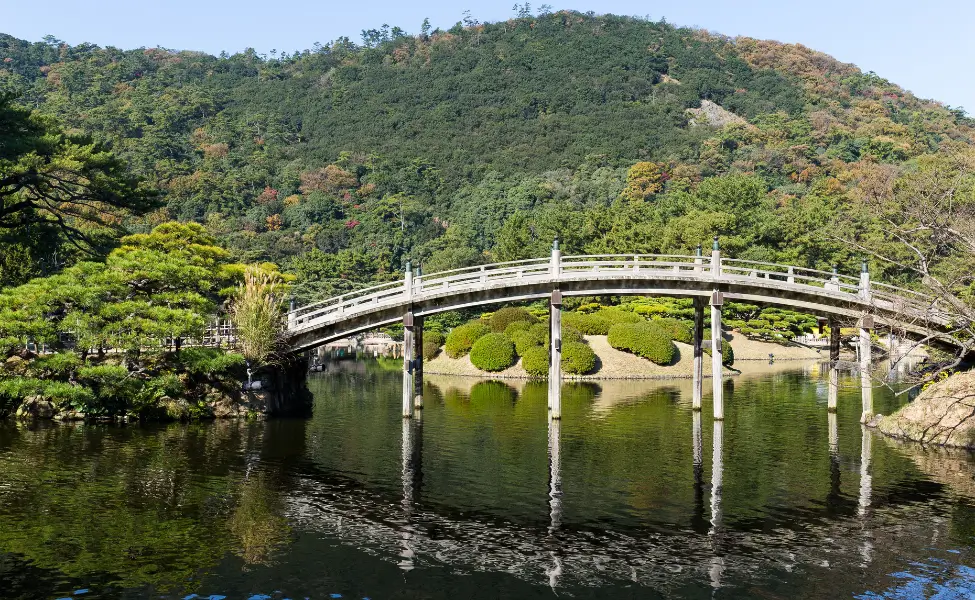
Ippuku in Kokubunji is a local favourite for kamaage udon, where the noodles come directly from the cooking water in a wooden vessel with dipping broth on the side.
The starch from the water changes the texture and the way the sauce clings to each noodle.
Day 14: Final Morning and Return to Osaka
One last bowl of udon in Takamatsu before the journey back. Then the Marine Liner to Okayama and the Shinkansen to Shin-Osaka. You will be back in the city with most of the afternoon available.
Dotonbori is five minutes from the centre, and the takoyaki and kushikatsu are as good on the last night as they were on the first.

Practical Details
Booking Restaurants
Kaiseki in Kyoto requires advance booking, typically at least two weeks ahead and often longer for well-known establishments. Contact your hotel concierge as soon as your travel dates are confirmed, since many restaurants do not offer English booking.

For Matsuzaka beef restaurants at lunch on weekends, one to two days ahead is sensible. Ramen, okonomiyaki, and izakaya dining across this itinerary is generally walk-in, though popular spots in Hiroshima and Onomichi can have queues at peak mealtimes.
For walk-in restaurants, pointing at what the table next to you is eating almost always works.
Food Budget by Meal Type
| Meal type | Typical cost per person | Notes |
|---|---|---|
| Convenience store breakfast | 400 to 600 yen | Good quality, always available |
| Ramen, udon, or market lunch | 800 to 1,500 yen | Counter dining, no fuss |
| Izakaya dinner with drinks | 3,000 to 6,000 yen | The daily standard for this trip |
| Kaiseki lunch (Kyoto) | 5,000 to 15,000 yen | Book at least two weeks ahead |
| Matsuzaka beef meal | 8,000 to 20,000 yen | The one expensive meal worth every yen |
For most of the trip, budget 6,000 to 10,000 yen per day at a good standard. Budget 15,000 yen per day if you want to eat at the upper end of each stop.
Finding Good Restaurants
Tabelog is Japan’s most widely used restaurant review platform and more useful than Google Maps for finding where locals actually eat. The English version covers all major cities and allows searching by cuisine and neighbourhood.

Best Time to Travel
Autumn, September to November, is the strongest season for this itinerary. Crab season opens in November, and the mushroom and root vegetable dishes appearing on menus across Japan at this time of year are among the finest things you can eat in the country.
The weather is comfortable for walking between markets and restaurants.
Spring, March to May, is close behind. Summer is hot and humid but the seafood quality remains excellent and the festival food culture is worth experiencing. Avoid Golden Week (late April to early May) and Obon (mid-August).
A Note on Fukuoka and Hokkaido
Both are exceptional food destinations and both are absent from this itinerary for geographical reasons rather than food quality ones. Fukuoka sits at the southwestern tip of Kyushu.
Adding it to this route means a significant detour that adds travel time without adding proportionate food variety given what is already here.
The hakata tonkotsu ramen, yatai stalls, mentaiko, and motsunabe hot pot all deserve a dedicated trip to Kyushu rather than a rushed day bolted onto the end of this one.
Hokkaido is simply too far north to fit into a loop from Osaka without turning a food trip into a geography exercise. The dairy products, seafood, soup curry, and Sapporo ramen are genuinely distinct from anything on this route and warrant their own itinerary entirely.

Frequently Asked Questions
At 80,000 yen for 14 days, the pass is not automatically the cheapest option for this route. Run the specific legs through a JR Pass calculator before you buy. If you plan additional day trips or detours beyond the core stops, the calculation shifts in the pass’s favour.
A minimum of two weeks is the practical floor, and well-known establishments often fill earlier than that. Contacting your hotel concierge at the same time you confirm your travel dates is the most reliable approach, since many restaurants only accept bookings in Japanese.
Most Japanese connoisseurs consider them comparable, with Matsuzaka holding an edge. Because Matsuzaka city draws far fewer overseas visitors than Kobe, you are also more likely to eat it in a restaurant that exists for local customers rather than one calibrated for international tourists.
Osaka style mixes all the ingredients together before grilling the whole thing as a thick pancake. Hiroshima style builds in layers: thin batter first, then cabbage, then pork, then noodles, then egg, all flipped upward into a structured stack. The textures and eating experience are completely different.
Tabelog is the most reliable tool. Set your location to the neighbourhood you are in, filter by cuisine type, and look for scores of 3.5 and above. A lunch-hour queue of people who clearly work nearby is the strongest possible real-world confirmation that a restaurant is worth your time.