

While 30 million international tourists crowd Tokyo and Kyoto each year, entire regions of rural Japan see fewer visitors in twelve months than the Golden Pavilion gets in a single week.
These overlooked regions offer something more valuable than any Instagram spot.
Real peace, living culture, and experiences that will change how you see Japan.
Let’s jump into hidden Japan.
Noto Peninsula: Japan’s Forgotten Coast
The Noto Peninsula stays off most tourist maps, keeping traditional ways of life that have thrived here for centuries.

The Wajima Morning Market has been open for over 1,000 years.
It’s one of Japan’s three oldest markets.
Fishermen’s wives sell the catch of the day alongside mountain vegetables and handmade crafts.
The famous Wajima lacquerware still uses old methods, with craftsmen applying up to 75 lacquer layers by hand.
You can watch master artisans work in shops around town.
Senmaida rice terraces drop down cliffs straight to the sea, creating one of Japan’s most amazing farm landscapes.

These UNESCO terraces need hand care all year.
Winter light festivals shine with over 21,000 LED lights outlining each terrace.
In contrast, harvest season sees farmers tending to cliff fields with traditional methods.
Getting there: Take the JR Hokuriku Line to Kanazawa, then the Noto Railway or bus up the peninsula (90 minutes total).
A rental car gives you the most freedom to explore small fishing villages.
Note: English signs become rare outside Kanazawa, so download offline maps and key phrases first.
Gujo Hachiman: Step Back in Time
This perfectly kept castle town in Gifu shows something rare: how traditional Japanese communities really work.
The clear waterways flowing through every street aren’t just pretty.
They’re working systems that have helped the town for over 400 years.

Families still use these canals for daily life, washing vegetables and cooling drinks in the natural spring water.
As you walk the narrow stone streets, you’ll encounter master craftsmen.
They practise old arts, like making traditional knives and dyeing silk with natural materials.
The summer Gujo Odori festival shows the town’s spirit.
For 32 nights each summer, everyone joins the street dancing, from kids to grandparents.
Visitors can join too.

These moments create real connections with locals who love sharing their culture.
Local tip: Book the Gujo Hachiman Hotel’s “Craftsman Experience” package.
It includes hands on workshops with local artisans and guided morning walks when the canals run clearest.
Best time: Visit on weekday mornings when you can watch daily life happen and the canal water runs clearest.
Read my full post on Gujo Hachiman
Ena Valley: Hidden Gorge Paradise
Deep in Gifu, the Ena Valley has some of central Japan’s best gorge scenery without the tour buses that pack famous spots.
The Ena River has carved dramatic limestone cliffs over millions of years, creating wilderness that feels untouched.

The valley’s highlight is Iwamura Castle Town, one of Japan’s best kept mountain castle towns.
The original castle rose to 717 meters, making it Japan’s tallest mountain castle.
Today, stone foundations are nestled in the clouds, while the historic town below retains its Edo period charm.
Local sake breweries have worked from the same buildings for centuries.
The mountain’s pure water and cool weather create perfect conditions for brewing.
Several family businesses offer tastings in old wooden buildings that haven’t changed in generations.
Cultural tip: Visit during the autumn Iwamura Castle Festival.
Locals wear period clothes and showcase traditional crafts.
The festival mainly attracts Japanese visitors.
This offers cultural experiences that foreign tourists rarely see.
Getting there: Take the JR Chuo Line to Ena Station, then local buses into the valley.
The castle town is accessible by the scenic Akechi Railway.
Want to read more about Gifu?
Toba: Pearl Diving Heritage
This coastal town in Mie built Japan’s cultured pearl industry, but beyond the famous pearl farms lies an amazing sea culture centered on the ama.
These female divers have collected seafood from these waters for over 2,000 years.

The ama tradition continues today, with women diving up to 25 meters without breathing gear to collect abalone, sea urchin, and seaweed.
Several ama huts welcome visitors to share grilled seafood meals while hearing stories about this ancient work.
Active divers range from teenagers to women in their 70s, each using skills refined over decades.
Mikimoto Pearl Island highlights the industry’s history.
However, true cultural experiences occur at working pearl farms.
There, families care for oyster beds with traditional wooden boats.
Nearby islands, reached by regular ferries, have clean beaches and fishing villages barely touched by modern life.
Ama experience: Book a meal at an ama hut through Toba’s tourism office.
Divers share their catch while explaining their methods in basic English plus lots of gestures. Book ahead, especially during peak diving seasons (May through September).
Getting there: Take the JR or Kintetsu lines to Toba Station.
The town is small enough to explore on foot, with ferries connecting to nearby islands.
Iga Ueno: Real Ninja Country
While most ninja attractions feel fake, Iga Ueno in Mie prefecture shows the real history of Japan’s most famous secret agents.
This mountain ringed city was home to the Iga ninja school, and the landscape that trained these warriors stays mostly the same.
The Iga Ninja Museum sits in a real ninja house with working hidden passages, weapon hiding spots, and trap doors that actually work.
Expert guides share real tools and methods.
They explain how Iga’s geography was ideal for training secret operatives.
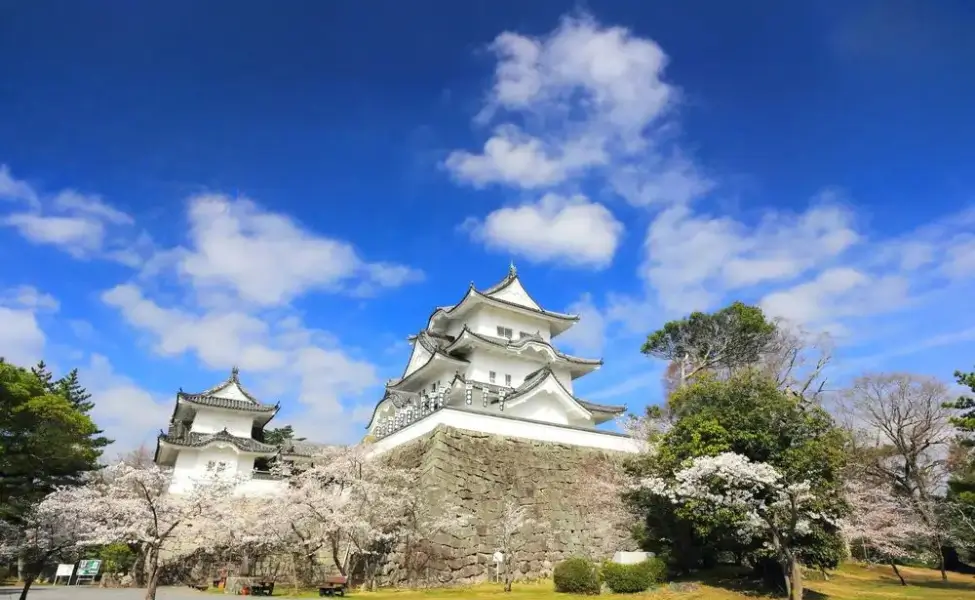
Beyond ninja history, Iga keeps many traditional crafts and old buildings.
The old castle area offers quiet walks among merchant houses and temples, with far fewer visitors than famous castle towns.
Getting there: Take the JR Kansai Line to Iga Ueno Station, or the scenic Iga Railway from Iga Kanbe Station. The city center is compact and walkable.
Kiso Valley: Walk the Ancient Highway
The old Nakasendo trail through Kiso Valley offers one of Japan’s most authentic historical experiences.
This preserved part of the old highway between Tokyo and Kyoto lets you walk where samurai, merchants, and pilgrims walked long ago.
The post towns of Magome and Tsumago maintain their Edo period buildings.

These aren’t museum pieces but living communities.
Local families have run the same inns for generations.
They serve traditional meals and share stories passed down through their families.
The walking trail between these towns winds through pristine mountain forests.
You’ll find waterfalls, mountain shrines, and valley views unchanged for centuries.

Each rest stop offers local food and chances to chat with other walkers, both Japanese and international.
Practical note: The full hike between towns takes about 3 hours.
Planning Your Trip: Simple Tips for Deep Experiences
These places work best when you slow down instead of rushing between sights.
Plan at least three nights in each spot to match the calm pace of rural Japanese life.
Getting around: A JR Pass covers main train lines, but reaching these communities usually needs local trains, buses, or ferries for the final leg.
This extra effort keeps them peaceful and real.
Where to stay: Traditional ryokan inns give the best cultural experiences.
They serve local kaiseki meals and help you meet other guests and hosts.
Book directly when possible, as many family run places don’t show up on international booking sites.
Language help: English skills vary a lot outside big cities.
Learn basic polite phrases: “arigatou gozaimasu” (thank you), “sumimasen” (excuse me), and “eigo ga dekimasu ka” (do you speak English?).
Locals are very patient with visitors trying to communicate and often go out of their way to help foreign travelers.
Best seasons: Late spring through early fall offers the best weather and transport options.
Each season transforms these timeless places.
Spring brings cherry blossoms and mountain flowers. Summer allows for full festival fun.
Autumn offers stunning foliage, while winter brings snowy calm, though it may limit some transport.
Sample trips:
Central Japan Cultural Route (7 days): Tokyo to Ena Valley (2 nights) → Gujo Hachiman (2 nights) → Iga Ueno (1 night) → return via Kyoto (2 nights for contrast)
Coastal Heritage Route (5 days): Kanazawa to Noto Peninsula (3 nights) → Toba (2 nights) → return via Nagoya
What to expect: These regions have little English signage, fewer restaurant choices than cities, and earlier closing times.
These limits offer opportunities for deeper cultural connections that you can’t find in busy tourist spots.
Embrace the slower pace and unexpected meetings that define real travel experiences.