
You have spent months planning this trip, maybe longer.
Your flights are booked, your accommodation is confirmed, and your countdown has started.
Somewhere underneath the excitement sits a quiet worry about those first few hours.
On arriving in Japan, you picture yourself jet-lagged and disoriented.
Surrounded by signs you cannot read, making expensive mistakes before you have seen anything.
That worry is understandable, and it is also fixable. It does not require you to learn Japanese or memorise complicated systems.
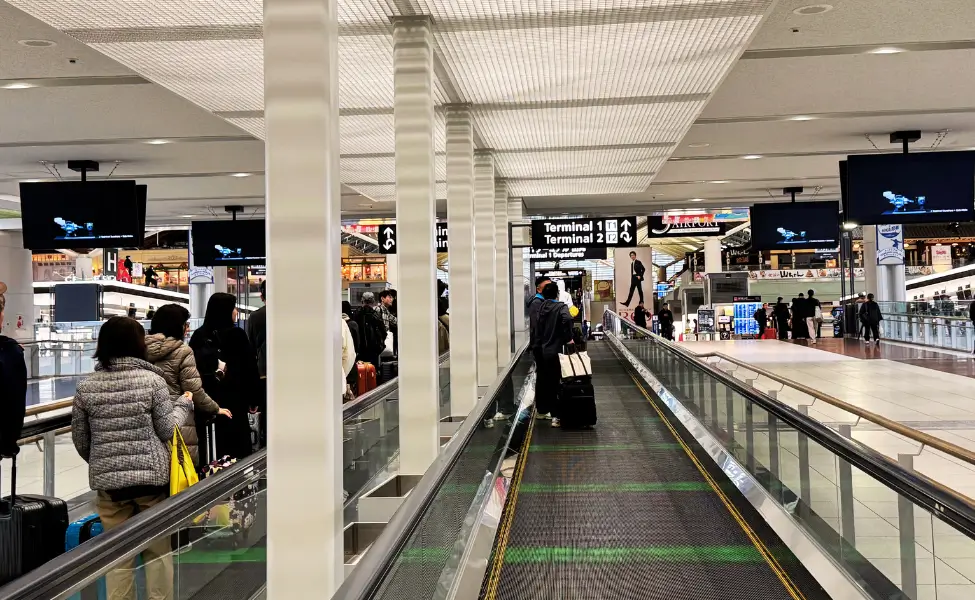
Narita and Haneda both have strong English signage throughout, with staff accustomed to helping confused visitors.
Once you understand the sequence, the arrival processes work in your favour.
The difference between a chaotic first day and a smooth one usually comes down to a handful of decisions.
You make some of them before boarding the plane, and others in the first hour after you land.
This article takes you through each one in the order you will need it.
Sort These Two Things Before You Board
Most advice about Japan focuses on what to do once you arrive.
Two preparations stand out above everything else, and both happen before you leave home.
Register with Visit Japan Web.
This is the Japanese government’s online pre-arrival system.
It replaces the paper landing cards and customs forms you would otherwise fill in during the flight.
You register your passport details, your flight information, and your accommodation address.
In return, the system generates a QR code covering both immigration and customs clearance on arrival.
At the immigration counter, you show the code alongside your passport.
At the customs inspection area, you scan the same code at the electronic kiosk.
The registration takes around 15 minutes online and noticeably speeds up your arrival.
The QR code must be displayed live from the Visit Japan Web app or website.
Screenshots and printed copies are not accepted at the airport scanners, so keep your phone charged before you land.
Visit Japan Web is optional and paper forms remain available at the airport, but many airlines no longer hand them out on board.
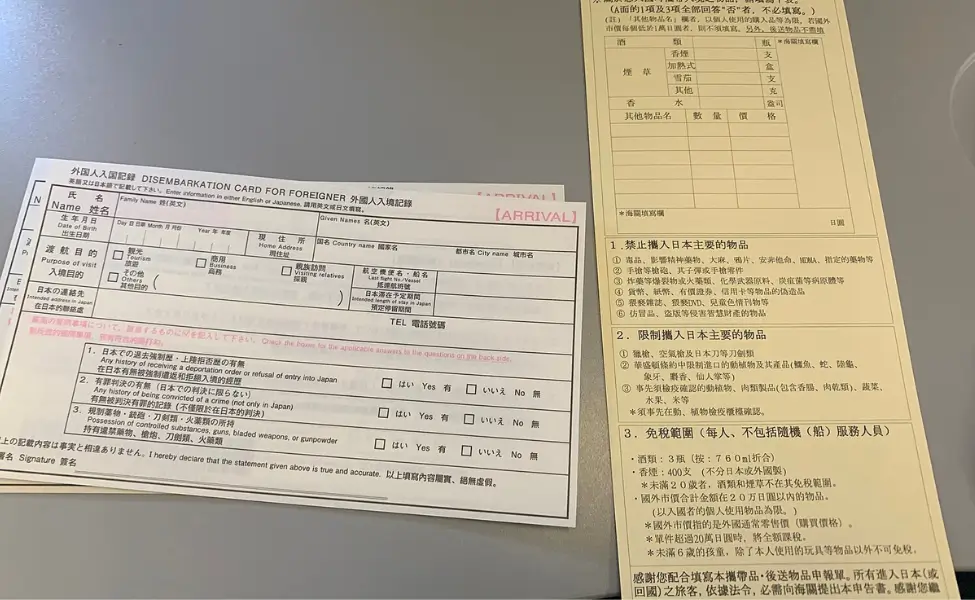
Filling them in on arrival slows you down, particularly if there is already a queue.
Activate an eSIM before you depart.
This is probably the single most useful piece of Japan travel preparation that most online resources bury.
Arriving without a working data connection is a genuine problem.

Maps, train navigation, translation apps, and hotel confirmations all depend on it.
Free WiFi in Japanese airports is patchy enough that you should not count on it as a backup.
An eSIM activates automatically when your plane lands, so you step off already connected.
Most modern smartphones support eSIM, and travel plans covering a standard trip duration are available from numerous providers before departure.
If your phone does not support eSIM, physical SIM cards are available at counters in the airport arrivals area.
Staff can help with the setup, but the process takes longer and requires a counter visit when you are exhausted from the flight.
A pocket WiFi device is another option, particularly useful for groups, though it is another thing to carry and charge throughout the day.

For most solo travellers or couples, an eSIM sorted before departure is the cleaner choice.
Through the Airport, Step by Step
Once your plane lands at Narita or Haneda, the process follows a clear sequence.
At major airports, immigration and customs typically takes 30 to 60 minutes.

During peak periods, roughly 10 am to 2 pm and again from 5 pm to 8 pm, waits can stretch past 90 minutes.
Knowing this before you join the queue helps.
The arrival process runs in this order.
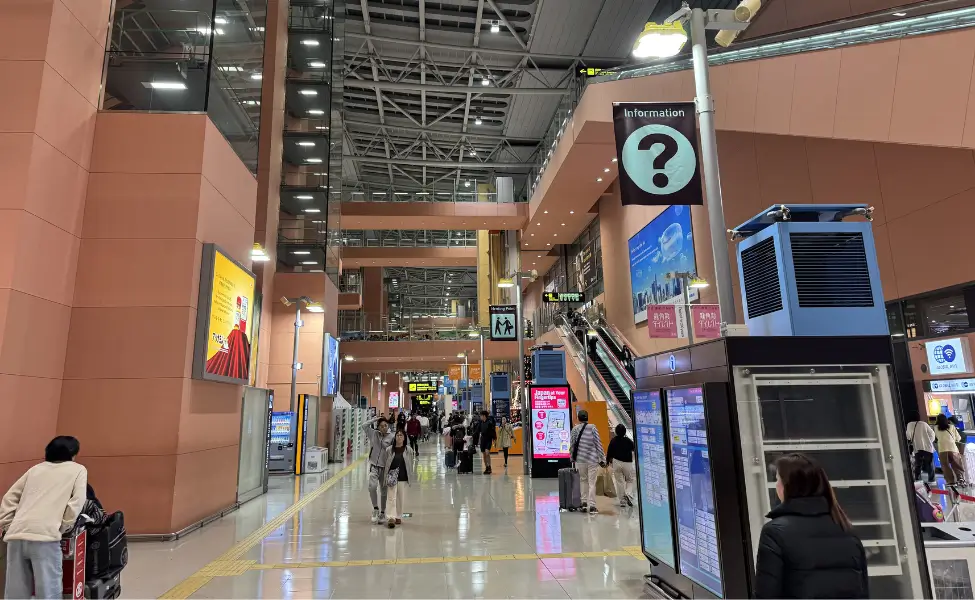
- Follow the signs for immigration. Signage throughout both Narita and Haneda is bilingual, so you will not miss it.
- Present your Visit Japan Web QR code and your passport at the immigration counter. Officers take your photograph and fingerprints. Your passport receives a stamp regardless of whether you use the QR code or paper forms.
- Collect your checked bags from the baggage claim area. Check your luggage tag number against the one on your ticket to avoid taking someone else’s bag.
- Proceed through to customs. Scan your QR code at the electronic kiosks if you have nothing to declare. If you have goods to declare, use the staffed red channel.
- Keep your customs receipt until you exit. Staff may ask to see it alongside your passport.
Several categories of goods are restricted at Japanese customs.

The main ones to be aware of before you pack are:
- Most fresh and processed meat products, including beef jerky, ham, and sausage
- Most fresh fruit and vegetables unless accompanied by official quarantine certification
- Counterfeit goods of any kind
- Recreational drugs, including cannabis in any form
Japanese customs generally permits canned foods and commercially sealed dried goods.
You can bring up to a one-month supply of prescription medication without additional documentation.
Carry a copy of the prescription if you are bringing a larger quantity.
Consider sending your bags ahead.
Luggage delivery counters operate in the arrivals area of both airports, run by providers including Yamato Transport and JAL ABC.
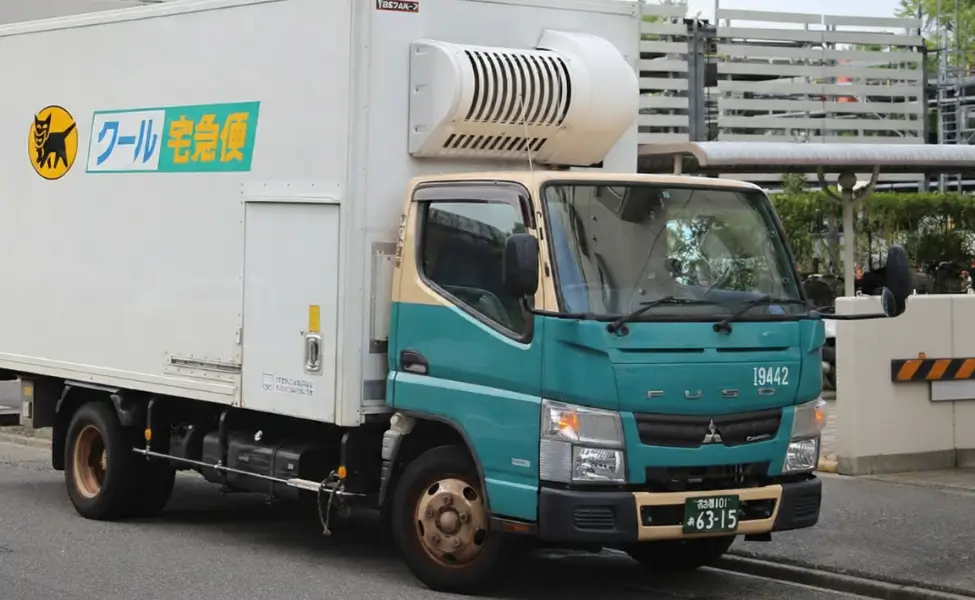
For around 2,000 to 3,000 yen per bag depending on size, they will send your suitcase directly to your hotel.
Delivery is typically next-day.
Travelling into the city with only a small daypack makes a significant difference on a crowded train when you are already tired.
Have your hotel name, address, and check-in date ready at the counter before you drop off.
Cash, a SIM, and Your IC Card
Getting yen. Japan runs on cash to a degree that consistently surprises first-time visitors.
Many restaurants, smaller shops, and traditional establishments outside the main tourist areas do not accept card payments at all.

Carrying yen is not optional.
Skip the currency exchange counters in the arrivals hall.
Rates are poor and the queues can be slow.
The better option is the ATM inside the terminal at a 7-Eleven, FamilyMart, or Japan Post branch.
These accept most international debit and credit cards and provide significantly better exchange rates.
You will find them in the arrivals areas of both Narita and Haneda.
Start with 20,000 to 30,000 yen to cover your first day or two.
This handles transport, meals, and small purchases without requiring an immediate ATM run.
Japan uses coins for amounts up to 500 yen, which is worth roughly three to four US dollars.
A small coin pouch is practical rather than quaint.
ATMs are widely available throughout Japan at virtually every convenience store, so you are never far from more cash when you need it.
Choosing your IC card. An IC card is a rechargeable smart card you tap at train barriers and convenience store counters across Japan.
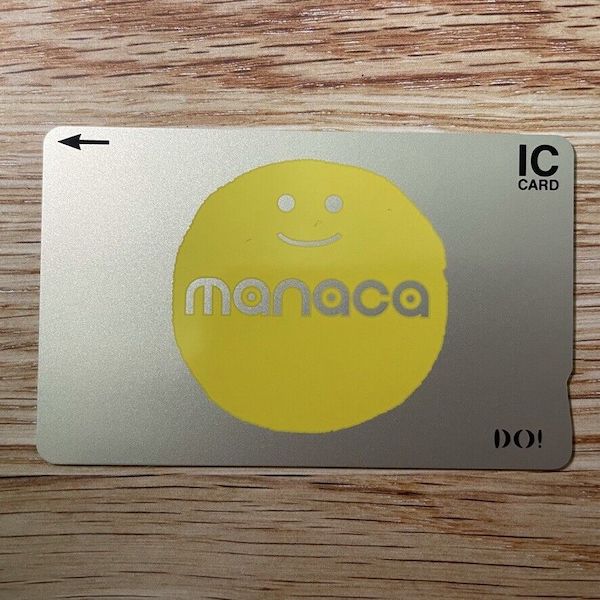
Using one removes the need to buy individual tickets for every journey, which matters when you are tired and navigating a busy station.
You can buy a card from vending machines in the arrivals area at both airports.
Load around 2,000 to 3,000 yen to begin.
The two main options are Suica and Pasmo.
Both work identically on trains, buses, and at most shops, so do not overthink the choice.
If you are arriving at Haneda Terminal 3, look for the Welcome Suica, a tourist version that does not require the standard 500 yen deposit.
Both cards can also be added to a phone’s digital wallet if you prefer to skip the physical card entirely.
IC card or JR Pass? First-time visitors find this genuinely confusing. In short, most people on a standard Tokyo-focused trip do not need a JR Pass.
An IC card handles everyday travel around Tokyo, covering the metro, local trains, and buses.

The JR Pass makes financial sense only if your itinerary includes multiple long-distance Shinkansen journeys.
Think travelling between Tokyo, Kyoto, and Hiroshima within the same trip.
Travellers spending most of their time in and around Tokyo will likely spend less by paying as they go with an IC card.
If you do have a JR Pass voucher from before the trip, exchange it for the physical pass at a JR ticket office in the airport.
The voucher alone is not valid on any service.
Getting into Tokyo
Narita sits roughly 60 kilometres east of central Tokyo.
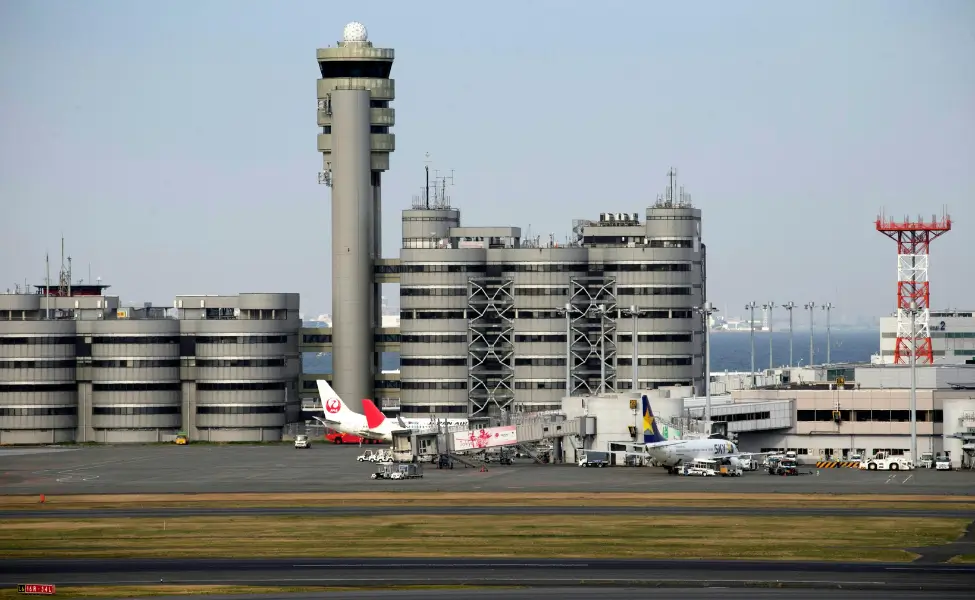
Haneda is considerably closer, about 20 kilometres from the city centre, which typically means a shorter and less stressful journey in.
The options for both airports cover a range of cost, comfort, and speed.
| Option | Approximate cost | Approximate time | Best for | |
| Narita | Narita Express (NEX) | 3,070 yen | 53 to 60 min | Direct to Tokyo, Shibuya, Shinjuku; JR Pass compatible |
| Narita | Keisei Skyliner | 2,470 yen | 41 min to Ueno | Staying in northern or eastern Tokyo |
| Narita | Airport Limousine Bus | 3,100 to 3,200 yen | 90 to 100 min | Direct hotel drop with heavy luggage |
| Narita | Taxi | 20,000 to 30,000 yen | 60 to 90 min | Groups or no other option |
| Haneda | Tokyo Monorail | Around 500 yen | 13 to 20 min | JR Pass holders; transfer to Yamanote Line |
| Haneda | Keikyu Line | Around 330 yen | 11 to 20 min | Fast and cheap; direct to Shinagawa |
| Haneda | Airport Limousine Bus | From 1,200 yen | 40 to 55 min | Direct hotel drop with heavy luggage |
| Haneda | Taxi | 6,000 to 11,000 yen | 30 to 50 min | Groups or late arrivals after trains stop |
For most first-time visitors arriving at Narita, the Narita Express is the simplest choice.
It runs directly from the airport to Tokyo Station, Shibuya, and Shinjuku with no transfers and reserved seating.
That matters when you are tired and carrying bags.
Ticket machines throughout the airport have an English-language option.
If you hold a JR Pass, the NEX is covered at no additional cost beyond a seat reservation.
The Keisei Skyliner offers a cheaper alternative from Narita.
It reaches Keisei Ueno Station in 41 minutes, making it the better option if you are staying near Asakusa, Ueno, or eastern Tokyo.

Keisei Ueno sits on a different network from the JR lines, so have your onward route planned before you board.
Haneda arrivals have it easier.
The Keikyu Line to Shinagawa or the Tokyo Monorail to Hamamatsucho will get you into the city quickly and cheaply.
Total fares for either option run under 600 yen.
Managing the First Few Hours Without Ruining the Rest
Jet lag from a long eastward flight does more than make you tired.
It disrupts appetite, concentration, and judgement in ways that are not always obvious while they are happening.
A flight from the US or UK crosses nine to thirteen time zones.
Your body will insist it is the middle of the night even if Tokyo is bright and warm.
Pushing through indefinitely or collapsing into an unplanned long sleep both tend to make the second day worse.
The most effective approach is to stay awake until at least 9 or 10 pm local time on your first night.
If you genuinely cannot keep your eyes open after check-in, limit yourself to a single 90-minute nap.

That covers one full sleep cycle and is the safe upper limit.
Sleeping longer will leave you groggy and make that first night’s sleep harder, which compounds the problem into day two.
Daylight is your strongest tool for resetting your body clock.
Spend at least 20 to 30 minutes outside in natural light after you arrive at your hotel.
A short walk around the neighbourhood achieves this, helps you get your bearings, and starts the clock adjustment process.
For that first hour after check-in, keep things simple.
- Stop at a nearby convenience store (Seven-Eleven, Lawson, or FamilyMart) and pick up water and a light snack such as an onigiri rice ball
- Set an alarm if you plan to nap, capping it firmly at 90 minutes
- Open your curtains to bring natural light into the room
- Charge your phone so you are not scrambling for power when you head out
Approach alcohol carefully on the first night.
Even one drink hits harder when you are jet-lagged, and it disrupts sleep quality at a time when good sleep matters most.
Where to Go When You Get There
Your first afternoon or evening does not need to be ambitious.
The goal is to absorb one or two things that feel real, eat something good, and be in bed before midnight.
Saving the complicated logistics for day two is not a waste. It is exactly what experienced travellers do.
Shibuya is an easy first choice for most visitors.
The scramble crossing sits directly outside Shibuya Station.

Watching it from street level for ten minutes is one of those moments that makes the trip feel real.
Shibuya Sky observation deck is directly connected to the station.
Admission costs 2,200 yen booked online or 2,500 yen at the counter, with the venue open until 22:30.
Booking in advance is strongly recommended, as popular evening slots sell out weeks ahead.
Shinjuku is worth knowing about for the free observation decks inside the Tokyo Metropolitan Government Building.

Both towers have observation platforms on the 45th floor.
The South Tower stays open until 10 pm, making it a natural spot for an evening visit.
Its counterpart, the North Tower, closes at 5:30 pm, so arrive before mid-afternoon if you want to use that one.
Neither requires a ticket, queuing, or advance planning.
Asakusa suits first-day visitors who want something calmer.
The grounds of Senso-ji Temple are accessible around the clock, and the main hall is open from 6 am to 5 pm.

Walking through the Kaminarimon gate and down Nakamise shopping street takes about 30 minutes and needs no advance planning.
Going before 9 am or after 4 pm keeps the crowds at a manageable level.
The areas around Harajuku and Yoyogi Park offer something quieter still.
Meiji Shrine’s forest paths are genuinely peaceful in a way that surprises most visitors.

The park alongside them is a good place to sit, recharge, and watch Tokyo go about its day.
Neither location requires a ticket or a reservation.
Leave the ambitious day trips, the multi-line train journeys, and anything with a timed reservation for when you are properly rested.
Your energy in those first 24 hours is limited.
Spending it on something you can actually absorb is worth far more than ticking off a list.
The rest of the trip will be better for it.