

The cheapest time to visit Japan is typically from mid-January to mid-February, as well as early June, early September, and late November.
During these off-peak windows, flights and hotels drop significantly because you are avoiding Japanese school holidays, major domestic travel periods (like Golden Week and New Year), and peak cherry blossom season.
People search for the cheapest month to visit Japan because it sounds like a sensible question. It isn’t.
Japan does not become cheap or expensive because the calendar flips from one month to the next.
Prices rise and fall because of Japanese school holidays, domestic travel patterns, and how much discomfort you’re willing to tolerate.
That’s why you’ll see completely conflicting advice online.
Quick Answer and Cheapest Times to Visit
January and February (after New Year) are usually the cheapest months to visit Japan.
Early June, late November, and early September can also be good value.
There is no single cheapest month that works for everyone.
I’ll explain why that answer is incomplete, and how to find the cheapest realistic time for your specific trip.

Quick cost comparison – Cheapest month to visit Japan
| Period | Typical cost | Weather trade-off | Crowd level |
|---|---|---|---|
| Jan–Feb (after New Year) | Lowest | Cold, short days | Very low |
| Early June | Low | Heavy rain | Low |
| Late November | Medium–low | Cool evenings | Medium (foliage dependent) |
| Early September | Medium–low | Hot, humid | Low–medium |
| Late Mar–Early Apr | Highest | Mild | Very high |
| Late Apr–Early May | Highest | Pleasant | Extremely high |
Why “cheapest month” is the wrong place to start
Japan travel costs are driven by three forces that matter far more than the month name.
1. National holidays and school breaks
When Japanese school holidays and national holidays cluster together, prices jump.
Hotels react first, flights follow, and availability tightens fast.
2. Domestic travel patterns
Japan’s hotel market responds more strongly to Japanese travelers than foreign ones.
Golden Week, Obon, and New Year are expensive because millions of people inside Japan travel at the same time.
International tourism barely registers compared to this.
3. Weather tolerance
Most visitors want mild, comfortable weather.

The moment conditions become colder, wetter, or hotter than ideal, demand drops and prices soften.
Travelers who accept less-than-perfect weather almost always spend less.
Once you understand these three drivers, the “cheapest month” question starts to make sense.
Common questions about Japan’s cheapest months
January and February (after New Year holidays end) are the cheapest months.
Flights and hotels both drop because cold weather and short days suppress tourism demand.
Mid-to-late January is one of the cheapest periods, but early January (New Year week) is very expensive and crowded. To get the cheapest rates, wait until after January 4 when domestic holiday travelers return home.
January through mid-February has the lowest airfares, with round-trip flights from the US currently starting around $260-$400. Early June and early September also see lower flight prices compared to peak travel seasons.
Winter (January and February) is cheaper than summer. Summer sees higher prices because Japanese school holidays (mid-July through August) drive massive domestic travel demand, pushing hotel rates up despite the hot and humid weather.
January and February have the lowest hotel prices nationwide, except in popular ski resort areas. Early June also sees lower hotel rates just before the busy summer travel season begins.
Avoid late March to early April (cherry blossoms), late April to early May (Golden Week), mid-August (Obon), and late December to early January (New Year). These peak periods see 30-50% price increases for both flights and hotels.

Months that are almost always expensive
These periods are expensive for structural reasons.
They are not secretly cheap if you book early.
Late March to early April (cherry blossom season)
This is one of the most expensive times to visit Japan.
According to the 2026 cherry blossom forecast updated January 8, Tokyo blooms around March 20 with full bloom March 27.
Kyoto blooms around March 24 with full bloom March 31.

This puts prime viewing in the last week of March through the first week of April.
Cherry blossom season overlaps with Japanese school holidays, domestic travel demand, and peak international interest.
Flights, hotels, and popular cities all spike together.
Even budget accommodation fills quickly, and availability becomes a problem as much as price.
Beautiful, yes. Cheap, almost never.
Late April to early May (Golden Week)
Golden Week is one of Japan’s busiest domestic travel periods.
In 2026, it runs from April 29 to May 6 (eight days total), with the core busy period from May 2-6.
Hotels raise prices sharply, transport sells out, and popular destinations feel crowded even outside major cities.

This period can be more expensive than cherry blossom season for accommodation.
Weekend flights during Golden Week can cost 30-40% more than midweek departures in June.
Mid-July to late August (summer school holidays)
Mid July to late August gets expensive because of Japanese school holidays, not foreign tourism.
Even though the weather is hot and humid, domestic travel pushes hotel prices up across the country.

The Obon festival (August 13-16 in 2026, with peak travel August 8-16) is particularly expensive.
This is when millions of Japanese return to their hometowns.
Transport books out, hotels spike, and even business hotels in regional cities become hard to find.
Late December to early January (New Year)
New Year is one of Japan’s most important holidays.
The busy period runs roughly December 27-31 (leaving cities) and January 2-4 (returning), with closures and reduced service from December 31-January 3.

Transport books out, hotels raise prices or close to non-regular guests.
Many attractions shorten hours or close, especially outside major cities.
Restaurants close.
Museums close.
Even convenience stores might have reduced hours.
You’re paying peak prices for a half-functional travel experience.
Same month, very different costs
Late November is a good example of why “cheapest month” advice fails.
Note: These are just examples!
Traveler A:
- One fixed week in late November
- Flies on the weekend
- Stays in Tokyo and Kyoto only
- Wants autumn colors and mild weather
- Books hotels near major stations
Return flights: ¥150,000
Three nights in Kyoto: ¥55,000
Limited availability forces last-minute bookings
Total trip spend: around ¥500,000
Traveler B:
- Ten-day flexible trip in late November
- Flies midweek
- Mixes Tokyo with regional areas
- Accepts cooler evenings
- Stays slightly outside city centers
Return flights: ¥85,000
Three nights in Kyoto: ¥30,000
Easier bookings mean better rates overall
Total trip spend: around ¥350,000
Same dates. ¥150,000 difference.

This matters even more if you’re visiting Kyoto specifically during autumn foliage season, where timing and flexibility determine whether you’re competing with domestic tourists or traveling in a quiet window.
Months that are usually cheaper
These periods cost less if you understand what you’re trading off.
Mid-January to mid-February
This is consistently the cheapest time to visit Japan.
Cold weather suppresses demand, domestic travel is low, and both flights and hotels soften.
But let’s be honest about what “cold” means.
Tokyo averages 5-10°C (41-50°F).
Kyoto is colder.
The sun sets around 5pm.
It rains.
Sometimes it snows.
Temple gardens look bare.
If you’re someone who finds 40-degree drizzle “invigorating,” you’ll love it.
If you’re not, you’ll spend your trip cold and slightly miserable while congratulating yourself on saving money.
What to Do During This Window
- Soak in an outdoor onsen in the snow. Hakone, Kusatsu, and Nagano’s mountain towns are at their best when it’s cold enough to see steam rising off the water.
- Catch the Sapporo Snow Festival in early February if you’re heading to Hokkaido. Huge snow sculptures take over the city for about a week.
- Visit temples and gardens without the crowds. This is the quietest window of the year at most major sites in Kyoto and Nara.
See our full Japan in January guide for more.
Early June
Early June can be good value.
Domestic travel hasn’t ramped up, international demand is moderate, and hotel prices are more stable than spring.
But rainy season begins in early June across most of Japan.
This isn’t occasional showers, but sustained, heavy rain that can last for days.
Your outdoor plans will get wrecked.
What to Do During This Window
- Focus on indoor and covered attractions, since rainy season brings unpredictable weather. Museums, aquariums, and covered arcades all work well.
- Try food-focused activities. Cooking classes, food halls, and izakaya crawls don’t depend on clear skies.
- If you get a dry day, use it for temple visits. Crowds are thin in this window.
See our Japan in June guide for more.
Late November
Late November sits in a quiet gap.
Autumn foliage crowds start thinning, winter travel hasn’t fully begun, and hotels reset prices after peak autumn demand.

This window works well when autumn colors arrive early.
In years when they arrive late, you’ll compete with leaf-peepers and pay accordingly.
In 2026, Kyoto’s peak foliage is forecast for mid-to-late November, which means the “quiet gap” might not be quiet at all.
The weather is also getting cold as evenings drop to 8-10°C (46-50°F).
What to Do During This Window
- Chase late autumn foliage in quieter spots away from the big names. This window can still catch good colour if the season runs late.
- Evenings turn cold, so build in an onsen stop.
- Book flexible dates if you can. Foliage timing shifts year to year, and how crowded this window feels depends entirely on whether the colour has already peaked.
See our Japan in November guide for more.
Early to mid-September
September gets overlooked, but early-to-mid September can offer decent value before Silver Week (September 19-23 in 2026 – a rare five-day holiday that only happens every 5-6 years).
The bigger issue is lingering summer heat and humidity.
Early September in Tokyo can still hit 30°C (86°F) with sticky humidity.
Typhoon season is technically still active, though serious hits are uncommon.
What to Do During This Window
- Lean into indoor or air-conditioned activities during the day. It’s still hot and humid this early in September.
- Sightsee in the early morning or evening, when it’s more comfortable than midday.
- Travel before September 19 and you’ll beat Silver Week pricing entirely.
See our Japan in September guide for more.
The exchange rate factor
The Japanese yen is sitting near historic lows in early 2026, trading around 155-160 per US dollar.

This makes Japan significantly cheaper for international visitors than it was five years ago.
A hotel room that cost $150 in 2019 might cost $100-120 now in dollar terms, even though the yen-denominated price hasn’t changed.
If you’re traveling from USD, EUR, GBP, or AUD, Japan offers exceptional value right now.
But this advantage may not last all year.
The Bank of Japan is expected to raise interest rates through 2026, which will likely strengthen the yen.
At the same time, domestic hotel prices in Tokyo and Kyoto are rising due to sustained tourism demand.
Some Kyoto hotels that were charging ¥20,000+ per night in peak 2024 season briefly dropped to ¥3,000-10,000 in late 2025 as Chinese tourism softened, but rates are climbing again.
What this means practically: if you’re booking for later in 2026, consider locking in major expenses (hotels, rail passes) sooner rather than later.
The weak yen window might not stay open.
Why chasing the cheapest month often backfires
People who chase the cheapest month usually save in one place and lose it elsewhere.
They save on flights but overpay for hotels because they booked late.
They arrive when attractions shorten hours or close early.
They underestimate regional weather differences and end up changing plans.
They spend their trip cold, wet, or uncomfortably hot while telling themselves they’re saving money.
Trips planned around conditions, not calendar labels, feel cheaper and smoother even when the headline price is slightly higher.
How to find your cheapest month
The cheapest realistic time to visit Japan depends on where you plan to go, how flexible your dates are, and what weather you’re willing to tolerate.
Tokyo, Kyoto, rural regions, ski areas, and Okinawa all behave differently.

National averages hide those differences.
This plays out differently in regional areas like Hokkaido (where winter is ski season and expensive) or Okinawa (where January is actually pleasant beach weather).
If you want the absolute lowest prices: Mid-January to mid-February, after New Year closures end. Expect cold, short days, and reduced attraction hours.
If you want value with better weather: Early June (rainy) or late November (cold evenings). Both require flexibility and weather tolerance.
If you want to avoid the worst crowds and prices: Early September, before Silver Week. Still hot and humid, but manageable.
Current 2026 pricing reality
Flight costs have become more competitive.
Round-trip economy flights from the US to Tokyo currently range from $260-$620 depending on routing and flexibility.
From Europe, expect roughly €600-€1,500.
These are significantly lower than pre-pandemic levels, partly due to increased airline capacity and partly due to the weak yen making Japan more attractive.
Hotels vary wildly.
Budget business hotels run ¥6,000-¥12,000 per night.

Mid-range hotels in Tokyo cost ¥10,000-¥25,000.
Kyoto is typically 20-30% cheaper than Tokyo outside peak seasons, but during cherry blossom and autumn foliage, Kyoto can be more expensive.
Things that changed for 2026
A few updates worth knowing:
Tax-free shopping changes in November 2026. Instead of getting the tax exemption at point of sale, you’ll need to claim refunds at the airport.
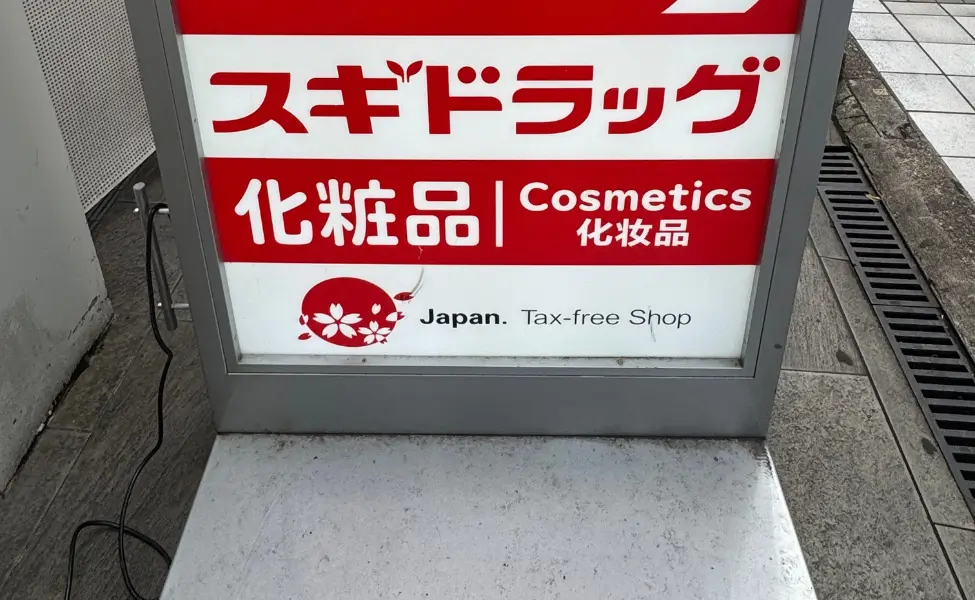
Less convenient, but doesn’t affect total costs.
Shinkansen reservations are now required during peak periods.
All seats on Nozomi trains (the fastest option) are reserved during Golden Week, Obon, and New Year.
No standing-room option.

Book early or get stuck.
Tourism numbers are plateauing. Japan hit 36.9 million visitors in 2024, up 47% from 2023.
Forecasts for 2026 are 42-44 million and still growing, but slowing.
This means peak season crowding isn’t getting worse, but it’s not getting better either.
Quick decision shortcut
If price is the only priority, travel mid-January to mid-February.
If price and comfort both matter, aim for late November or early June.
If crowds matter more than weather, avoid late March, Golden Week, Obon, and New Year.
If flexibility is low, avoid all Japanese national holidays regardless of month.
The bottom line
There is no single cheapest month to visit Japan that works for everyone.
There are consistently expensive periods (cherry blossoms, Golden Week, Obon, New Year), and there are reliable lower-cost windows (January-February, early June, late November) if you understand what drives prices and what you’re giving up.
The better question isn’t which month is cheapest but which combination of timing, flexibility, and destination gives you the trip you actually want at a price you can accept.
That’s where cost, crowds, and conditions actually line up.

Each cheap window suits something different. January and February are best for onsen and winter festivals. Early June works for indoor and food-focused activities during rainy season. Late November suits quieter foliage viewing. Early September is good for beating the crowds before Silver Week. Check the season-specific guides linked throughout this article for the full activity list.
