Tokyo, Kyoto, and Osaka draw millions of visitors every year.
You’ve probably seen the photos of packed temples and shoulder-to-shoulder crowds.
Tired of fighting through crowds just to see a temple or garden?
Japan has plenty of smaller cities and towns with authentic experiences, gorgeous scenery and rich history, minus the crowds.
You can wander through traditional gardens, soak in hot springs, stroll historic streets and visit ancient temples at your own pace.
Here are seven peaceful destinations where you can experience authentic Japan without the crowds.
Kanazawa: Garden Peace and Samurai District Strolls (Best for Culture-Focused Quiet Travelers)
Kanazawa offers a peaceful break from Japan’s busiest tourist cities.
This west coast city sits along the Sea of Japan.
You get traditional Japan here without the usual crowds.
Kenrokuen Garden opens at 7 AM. You’ll find far fewer visitors on the outer paths around Kasumigaike Pond.
The southern sections near the plum groves stay especially quiet.
The Nagamachi Samurai District stays calm throughout most of the day, particularly along the narrow side streets away from the Nomura House entrance.

Best Times for Peace and Quiet
Weekday mornings are ideal. Late afternoon after 4 PM also brings calm to most sites.
Avoid Japanese national holidays and the first week of November when autumn colors peak.
Walk the Historic Districts
Want to experience a samurai district without the selfie sticks and tour groups?
In Nagamachi, you can explore restored samurai homes along narrow earthen-walled lanes.
The mist clings to earthen walls in early morning.
Your footsteps echo on wet stone.

Higashi Chaya has traditional geisha houses along quiet streets.
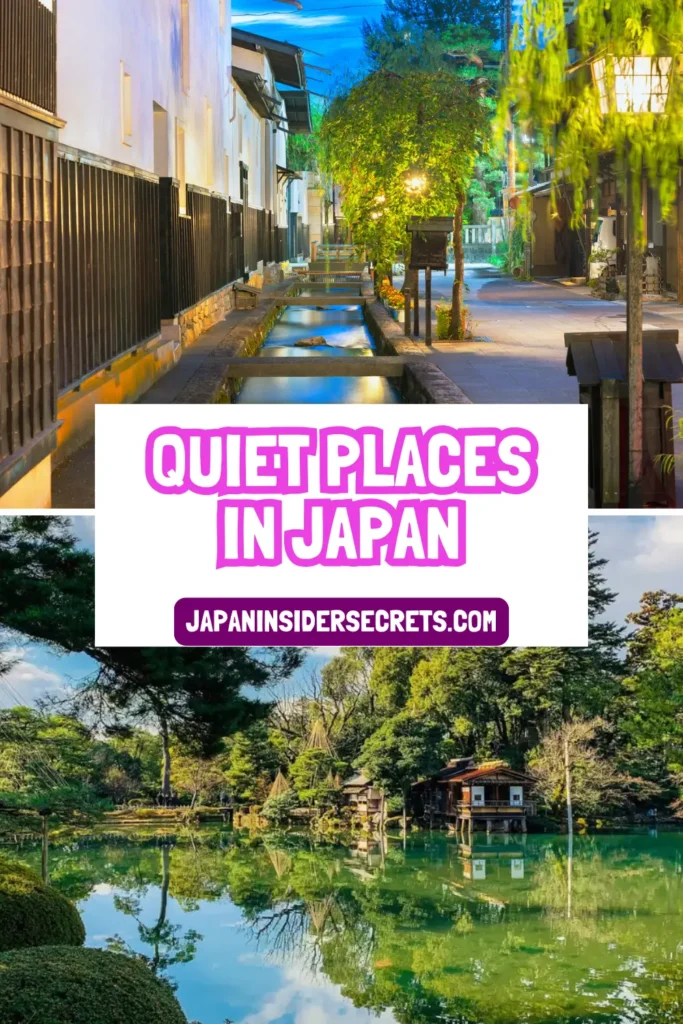
Experience Kenrokuen Garden
You’ll recognize Kenrokuen Garden as one of Japan’s Three Great Gardens.
The garden’s 11.4 hectares give you room to find peaceful corners even on busier days.
Look for the small teahouses tucked into the hillside areas.
You can sit with matcha and watch carp drift through the ponds.

For a quiet start to your day, stop at Fumuroya Café near the castle for traditional fu (wheat gluten) dishes in a restored merchant house.
How to Get There
The Hokuriku Shinkansen connects Tokyo to Kanazawa in about 2.5 hours.
From Kyoto or Osaka, the Limited Express Thunderbird takes around 2 to 2.5 hours.
How Long to Stay
Two full days let you explore without rushing.
Takayama: Mountain Town Peace Beyond the Tourist Streets (Best for Quiet Walkers and Nature Lovers)
Takayama sits in the heart of the Japanese Alps.
The old town draws visitors, but you can easily find peaceful corners if you know where to look.
The Sanmachi district is packed midday.
Arrive at 8 AM and you’ll have the wooden streets nearly to yourself.
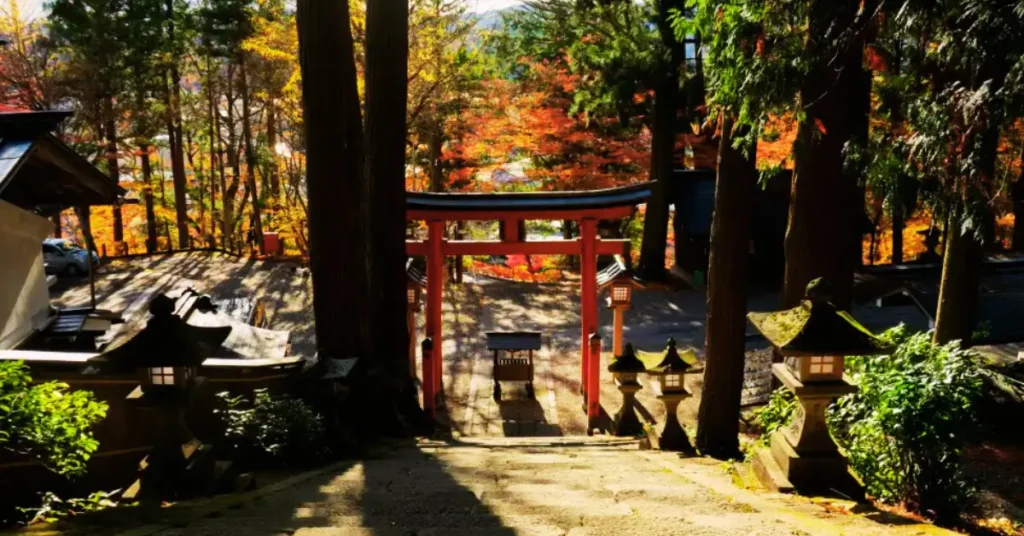
The Higashiyama Walking Course is a 3.5 kilometer temple route on the eastern edge of town.

The peaceful forest paths connect shrines and temples with almost no foot traffic.
Shiroyama Park gives you mountain views with minimal company.
Skip These Times
The Takayama Festival in spring and autumn transforms the town into a packed celebration.
Skip these periods entirely if you want quiet.
Explore the Old Town
Ever wonder what Japanese mountain towns look like before the buses arrive?
The old town district preserves wooden merchant houses and narrow lanes from the Edo period.
Traditional sake breweries line the streets.

Many offer tastings in small, unhurried shops where staff take time to explain their brewing methods.
The Kusakabe Folk Museum sits in a beautifully preserved merchant’s house from 1879.
You can examine the craftsmanship of traditional timber architecture in near-silence.
Higashiyama Walking Course
For the quietest experience of traditional Takayama, walk the Higashiyama route early morning.
As you walk, the path winds past Hida Kokubunji Temple’s ancient three-story pagoda, through bamboo groves, and up to viewpoints where mountains fill the horizon.
Morning light filters through cedar branches overhead.
You might encounter a handful of local walkers, but rarely tour groups.
How to Get There
From Nagoya, the JR Hida Limited Express takes about 2.5 hours through mountain scenery.
How Long to Stay
Two days allows time for the old town at calm hours plus a leisurely temple walk or countryside cycling.
Kinosaki Onsen: Traditional Hot Spring Town for True Relaxation (Best for Hot Spring Enthusiasts Seeking Calm)
Kinosaki Onsen is a peaceful hot spring village tucked away in northern Hyogo Prefecture.
The town dates back over 1,300 years and keeps an atmosphere that encourages slow movement and contemplation.

The willow-lined main street stays relatively calm.
The real peace comes from visiting the smaller bathhouses outside peak hours.
The walking path along the Maruyama River offers peaceful strolls past traditional wooden buildings.
The Onsenji Temple path up the hillside gives you forest quiet and excellent views.
Best Times for Peace and Quiet
Weekdays from late spring through early autumn see the fewest visitors.
Winter brings the famous Matsuba crab season, when weekends become busy.
Seven Public Bathhouses to Explore
You’ll find seven public bathhouses scattered throughout town.
Mandara-yu, the oldest, has outdoor ceramic baths overlooking a small garden.
Kono-yu sits furthest from the station and offers consistent quiet.
Yanagi-yu, the smallest, has the hottest water and a neighborhood feel.
All seven bathhouses welcome visitors with tattoos, which remains rare in Japan.
Staff are used to explaining bathing etiquette to nervous first-timers.
The Traditional Ryokan Experience
If you stay at a ryokan here, you get a pass to visit all seven bathhouses.

You’ll wear yukata and wooden sandals while moving between them.
This creates the feeling that the entire town is your lodging and the streets are simply corridors connecting different rooms.
Early morning walks before 8 AM reveal the town at its most atmospheric.
Shops are still closed and mist rises from the hot spring vents.
How to Get There
The Limited Express Kinosaki or Kounotori trains run from Kyoto (about 2.5 hours) and Osaka (about 2.5 to 3 hours) directly to Kinosaki Onsen Station.
How Long to Stay
One night gives you time to visit three or four bathhouses at leisure.
Two nights allows proper relaxation.
Matsue: Waterside Castle Town With Literary Peace (Best for History Buffs Seeking Peaceful Contemplation)
Matsue sits quietly in Shimane Prefecture, truly off the main tourist routes.
With a population of around 200,000, it feels substantial enough to have proper infrastructure but lacks the overwhelming visitor numbers of more famous castle towns.
The Horikawa moat boat tours offer peaceful water-level views of the castle and samurai district.
The early morning departure around 9 AM works best.
The Shiomi Nawate street, lined with pine trees and traditional houses, stays calm throughout the day.
Lake Shinji’s northern shore gives you stunning sunset viewing spots that locals favor but tourists rarely find.
Matsue Castle
At the heart of Matsue stands its original wooden castle.
This is one of only 12 feudal keeps in Japan that hasn’t been rebuilt with concrete.

The steep wooden stairs and low ceilings remind you this was a defensive structure.
From the top floor, views extend across the city to Lake Shinji and the surrounding mountains.
The Horikawa moat winds through the historic center.
The low-roofed boats glide under stone bridges. You’ll need to duck as you pass beneath them.
Boatmen point out architectural details and share local stories in accented English or through gesture and smile.
You’ll see why locals call it Chidori-jo when you notice the elegant rooflines.
The curved eaves resemble the wings of a plover bird.
Samurai District
Walk the Shiomi Nawate street in late afternoon when the light turns golden on the samurai house walls.
The Buke Yashiki samurai residence stands open for visitors.
Its tatami rooms and small garden are preserved exactly as they were centuries ago.
You can often explore with no one else present.
Walk in Lafcadio Hearn’s Footsteps
Matsue keeps a strong connection to Lafcadio Hearn, the Greek-Irish writer who lived here in 1890 and 1891.
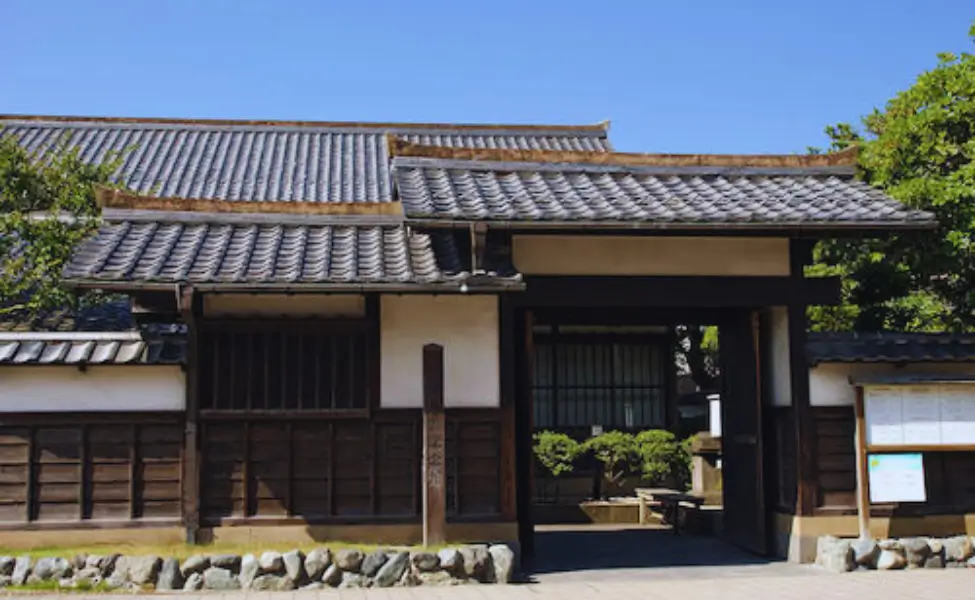
His former residence and memorial museum sit in a quiet neighborhood where the pace of life seems unchanged from his era.
The garden he described in his writings remains open to visitors.
Stone lanterns cast long shadows across carefully raked gravel. Its careful plantings offer a meditative space.
For a quiet afternoon, stop at Yakumo-an near the Hearn museum.
This traditional teahouse serves handmade soba in a 150-year-old building with garden views.
The deliberate slowness of the meal matches the city’s pace.
Lake Shinji Sunsets
Lake Shinji is famous for spectacular sunsets.
Find a spot along the northern shore path around 6 PM in summer.

You’ll likely share the view with local fishermen and a handful of photographers, nothing more.
How to Get There
From Okayama, take the JR Yakumo Limited Express (about 2.5 hours). Izumo Airport offers domestic flights connecting to major cities.
How Long to Stay
Two days allows time for castle exploration, a boat tour, neighborhood walks, and a sunset by the lake.
Kurashiki: Canal District Calm With Strategic Timing (Best for Architecture Lovers and Photography Enthusiasts)
If waterside tranquility appeals to you, the next destination takes that concept in a different direction.
Kurashiki offers true peace if you visit at the right times.
The Bikan Historical Quarter has preserved Edo period warehouses and willow-lined canals.

Willow shadows stretch across still water in the morning light.
The Bikan area’s side streets stay relatively empty.
The canal paths north of the main tourist zone remain peaceful even when the central area fills.
Ivy Square, a cultural complex in former textile mill buildings, sees few visitors before 10 AM.
The small bridges at the northern end of the canal district rarely appear in guidebooks and stay peaceful.
Best Times for Peace and Quiet
The hour just after opening, when soft morning light hits the white warehouse walls and willows, gives you ideal conditions for quiet appreciation.
Explore the Bikan Historical Quarter
Willow trees shade the waterways.
Their branches trail into the still water.
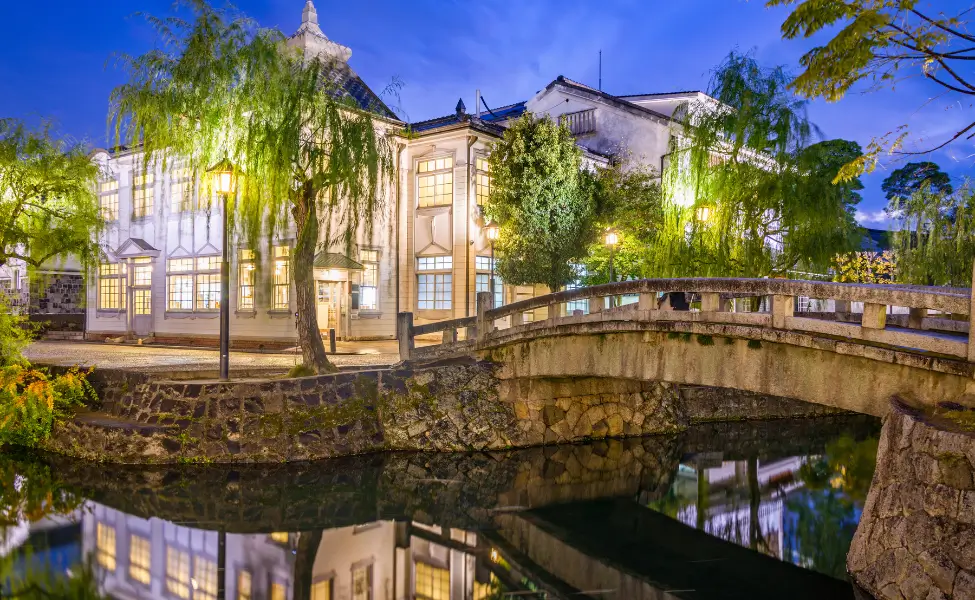
The preserved black and white warehouse buildings now house museums, galleries and craft shops.
Discover the Residential Areas
For a truly peaceful experience, walk the residential streets east of the main tourist area.
Traditional houses line narrow lanes.
This is where Kurashiki residents actually live, and the atmosphere reflects that everyday calm.
Visit the Kojima Denim District
The Kojima area of Kurashiki sits about 30 minutes away.
People know it as Japan’s denim capital.
The area produces around 80 percent of the country’s high-quality denim.
The workshops and specialty shops here cater more to serious denim enthusiasts than casual tourists.
Stop at Kurashiki Coffee-kan in a Meiji period building near the canal.
The owner roasts beans on-site.
The interior’s dark wood and jazz soundtrack create a space for quiet reflection.
Early evening along the canal offers the most magical experience of Kurashiki.
How to Get There
From Okayama Station, take the JR Sanyo Line to Kurashiki Station (15 to 20 minutes).

The historic quarter is a 10 to 15 minute walk from the station.
How Long to Stay
A well-timed half day hits the highlights in calm conditions.
Hida Furukawa: True Small-Town Peace Near Takayama (Best for Travelers Seeking Authentic Local Life)
Hida Furukawa sits in the mountains of Gifu Prefecture, about 15 minutes north of Takayama by train.
This small town gives you what many imagine when they picture quiet rural Japan.
The entire town keeps a calm atmosphere.
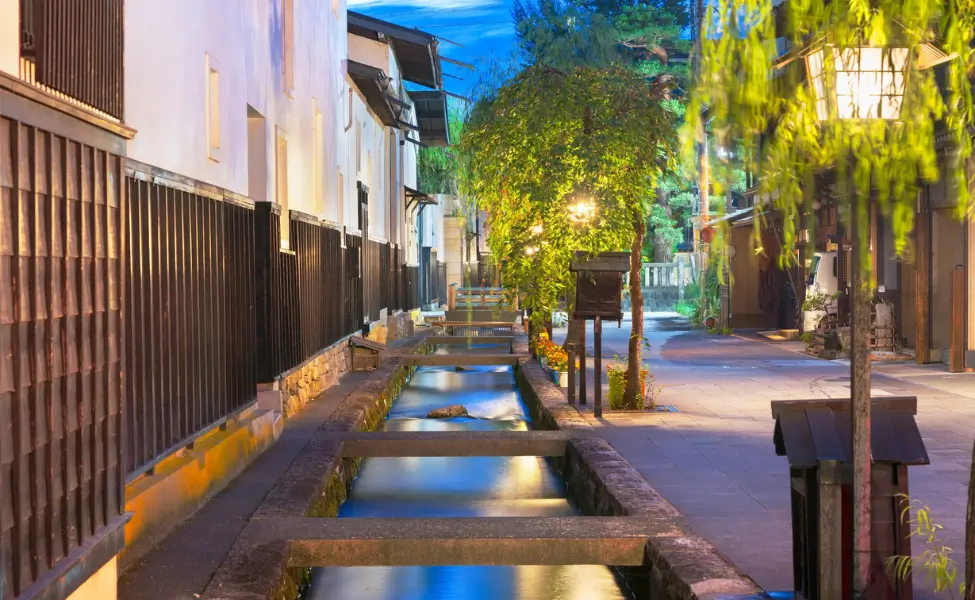
The Setogawa Canal area offers the most photogenic peace.
The temple district around Enkoji, Honkoji and Shinshuji Temples sees almost no tourists despite housing beautifully preserved architecture.
Skip These Times
The Furukawa Festival on April 19 and 20 brings crowds for the dramatic drum performances and decorated floats.
Outside these dates, the town stays truly quiet.
Watch the Carp at Setogawa Canal
The white-walled storehouses along quiet canals create the town’s signature scene.
You’ll see red, white, gold, and calico carp drifting lazily through the clear water.
Unlike more famous destinations, here you can photograph without dodging other tourists.
The carp occasionally rise to the surface when locals feed them.
See Traditional Craftsmanship in Action
Traditional timber craftsmanship built the town’s prosperity.
Small workshops still practice woodworking.
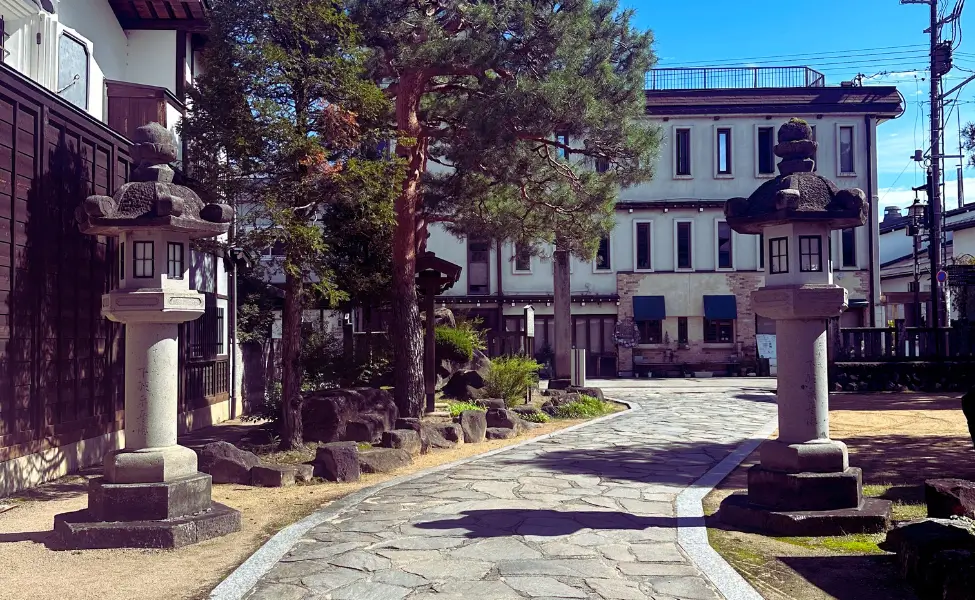
You can sometimes see craftsmen at work through open doors.
Walk the residential streets and you’ll encounter daily life largely untouched by tourism.
Explore the Temple District
Enkoji, Honkoji and Shinshuji Temples sit within walking distance of each other on the town’s eastern edge.
The temple grounds let you meditate in silence.
The gardens with raked gravel and pruned pine trees are carefully kept.
For a quiet meal, try Ajidokoro Furukawa, a small restaurant serving local Hida beef and vegetables.
The tatami mat floors and low wooden tables create a traditional setting.
How to Get There
From Takayama Station, take the JR Takayama Line north (15 minutes, 240 yen by local train).
How Long to Stay
Three to four hours covers the main sights at a relaxed pace.
Kamakura: Finding Quiet Corners in a Popular Coastal Town (Best for Early Risers and Temple Trail Hikers)
Kamakura sits just an hour from Tokyo.
This makes it convenient but also means it attracts big crowds, particularly on weekends.
However, strategic timing and knowing which temples to visit reveals truly peaceful corners of this historic coastal city.
The temple hiking trails attract far fewer visitors than the famous sites.
The Daibutsu trail connects temples through forested hillsides and stays remarkably quiet.
Zuisenji Temple is tucked into the hillside with a rock garden and plum groves.
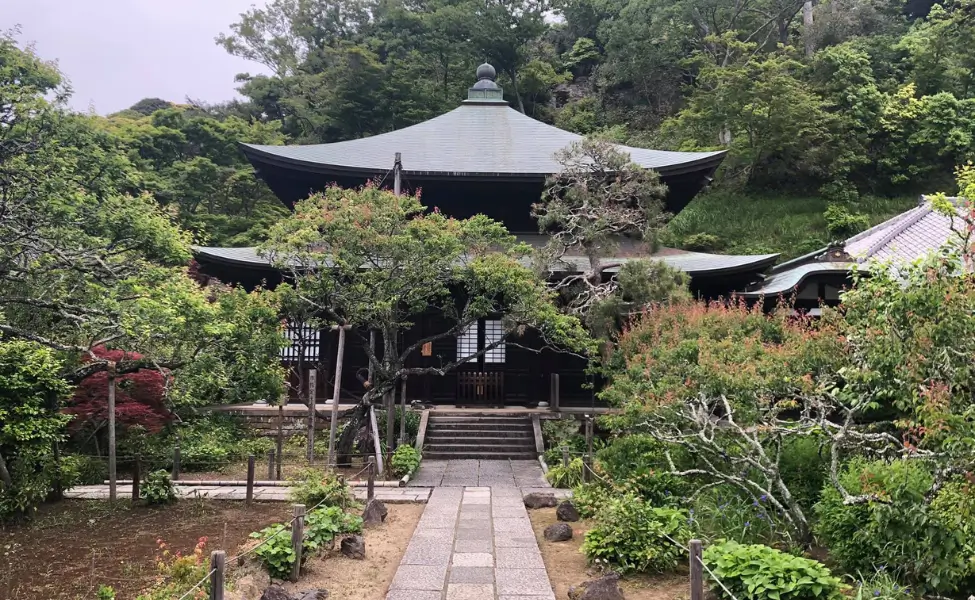
It rarely has crowds even during peak seasons.
Shichirigahama Beach at sunrise, before the surfers arrive, gives you coastal peace.
Skip These Times
Kotoku-in (Great Buddha) attracts crowds from opening to closing year-round.
Komachi-dori shopping street stays packed most days.
Summer beaches, especially July and August weekends, are the opposite of quiet.
Start at Zuisenji Temple
For true peace, start at Zuisenji Temple when it opens at 9 AM.
This Rinzai Zen temple was founded in 1327.
It has a rock garden carved directly into the cliff face, a rarity in Japanese garden design.
The plum groves bloom beautifully in February and March.
Even then you might have the grounds to yourself.
The moss-covered stones, the sound of water trickling through bamboo spouts, the careful placement of every element.
This captures Zen aesthetics without crowds.
Hike the Temple Trails
The temple hiking trails offer the most reliably peaceful Kamakura experience.
The Daibutsu trail connects several temples through forested hillsides.

The forest canopy blocks much of the city noise. You hear bird calls and rustling leaves instead.
You might encounter a handful of hikers, mostly locals, but these trails remain blissfully free of tour groups.
Find Quiet Corners at Hasedera Temple
Even popular Hasedera Temple offers quiet corners.

Arrive right at opening and head straight to the observation deck for views over Yuigahama Beach and Sagami Bay.
The temple grounds include thousands of small Jizo statues in a hillside area that stays peaceful even when the main hall fills.
Catch Sunrise at Shichirigahama Beach
For beach peace, visit Shichirigahama at sunrise.
The long stretch of sand faces the ocean with views across to the Izu Peninsula.
You’ll hear your footsteps on the sand.

The sound of waves, the distant silhouette of Mount Fuji on clear days, and the soft morning light create a meditative start to the day.
Wander the Residential Neighborhoods
The residential streets throughout Kamakura offer glimpses of contemporary life in traditional settings.
Small shrines tucked into neighborhood corners, carefully maintained gardens visible through wooden gates.
This quieter Kamakura exists parallel to the tourist sites.
How to Get There
From Tokyo Station, take the JR Yokosuka Line to Kamakura Station (about 55 minutes).
From Shinjuku, the JR Shonan-Shinjuku Line takes about an hour.
How Long to Stay
A full day allows time for temple trail hiking, early morning visits to key sites, and beach time if weather permits.