
Most first-time visitors still treat Nagoya as a place to pass through between Tokyo and Kyoto. The Shinkansen stops there. Some people check bags at a coin locker, spend a couple of hours in the city, and move on. Others do not get off the train at all.
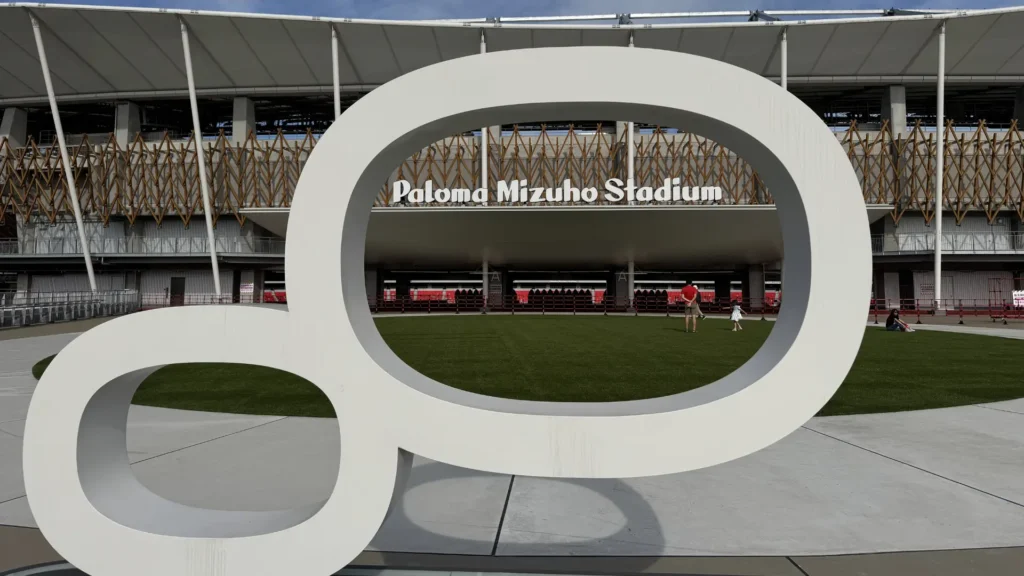
In 2026, that may become harder to justify. The Asian Games are coming to Aichi-Nagoya this September, bringing athletes from across Asia to venues in Aichi, Nagoya, and selected locations beyond the prefecture. The main venue is Nagoya City Mizuho Park Athletic Stadium, often known locally as Paloma Mizuho Stadium, and it is about five minutes from where I live.
For me, this is not a distant event on a tourism calendar. It is happening in a part of Nagoya I know well, close enough that I can walk there and see how the area is changing before visitors arrive.
Nagoya Has Always Had A Visibility Problem
Nagoya is one of Japan’s major cities, but it still lacks a clear international travel identity. It sits at the centre of Aichi, the prefecture most closely associated with Toyota and Japan’s automotive industry.
It is a cornerstone of a manufacturing and logistics network that shaped modern Japan. None of that translates into a reason to visit.
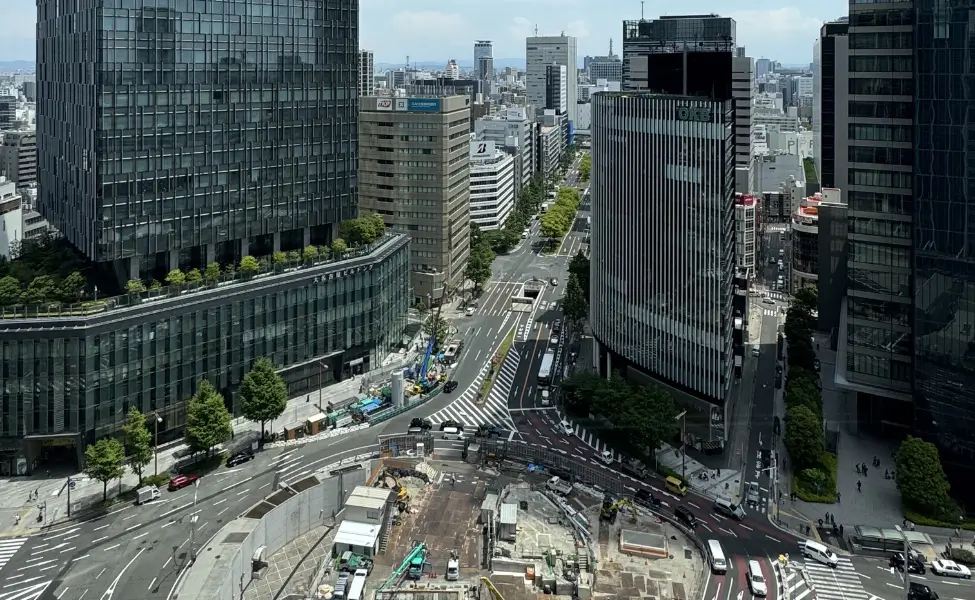
Ask most tourists what they associate with Nagoya and you get a pause. They know the name. They have probably passed through it on the Tokaido Shinkansen. But when it comes to a reason to stay, the city does not sell itself the way Tokyo and Kyoto do.
It does not have Kyoto’s temple corridors and wooden streets. It does not have Tokyo’s density of things to do, eat, and experience on every corner. Nor does not have Osaka’s deliberate personality, the kind of city that seems to perform for visitors.
Nagoya is more industrial, more local, more understated. For a certain kind of traveller, that is exactly the point. For first-time visitors trying to see Japan in two weeks, it tends to get skipped.
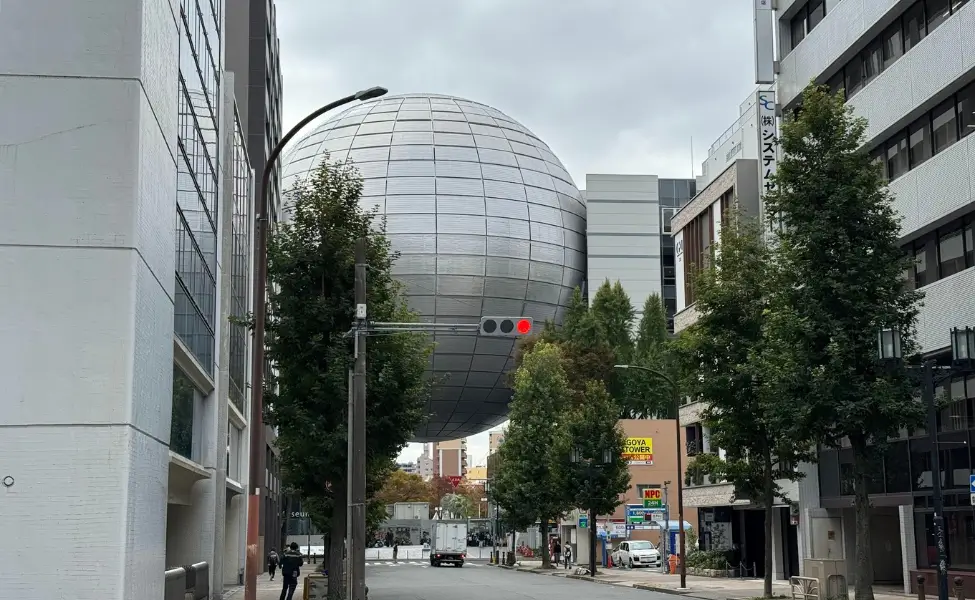
The result is a city that is easy to underestimate. Not boring, not empty, not unwelcoming. Just not obvious.
If you are still working out the basics, my advice on planning a first Japan trip can help you decide whether Nagoya belongs in your route.
Why The 2026 Asian Games Changes The Conversation
The 20th Asian Games run from 19 September to 4 October 2026. The Asian Para Games follow from 18 to 24 October. Both are centred on Aichi Prefecture, with Nagoya as the main hub and Nagoya City Mizuho Park Athletic Stadium as the principal venue for ceremonies and athletics.
The Games will bring athletes from across Asia to venues in Aichi, Nagoya, and selected locations beyond the prefecture.
This will be the first time Japan has hosted the Asian Games in 32 years and the first time the country has hosted the Asian Para Games.
Why this matters for visitors
For travellers, the direct impact is straightforward. The Games will put Nagoya in front of travellers who may never have considered stopping there before.
Some will arrive for the Games. Others, researching accommodation along the Shinkansen corridor, may look up what is actually in the city for the first time.
Hotels that have spent years catering to business travellers and Ghibli Park visitors will have international sports tourists added to the mix.

If you are planning to visit Nagoya during the Games period, check hotel prices and availability early.
Even if you are not attending events, the Games may affect accommodation across Nagoya and Aichi.
The bigger question for Nagoya
The practical question for travellers is not whether the Asian Games make Nagoya famous overnight. It is whether hotel availability, event crowds, and extra international attention make the city harder to ignore if you are travelling through central Japan in autumn 2026.
That attention does not automatically make Nagoya a better travel destination. The city is what it is. But visibility matters. For years, Nagoya has been undersold on the back of unfamiliarity rather than genuine shortcomings.
The Asian Games probably will not turn it into the next Kyoto, but that is not the point. They may make visitors notice the practical, local, less polished side of Japan that Nagoya has always offered.
Official Games site: https://www.aichi-nagoya2026.org/en/
I Live Near The Main Venue. This Is What The Area Actually Feels Like
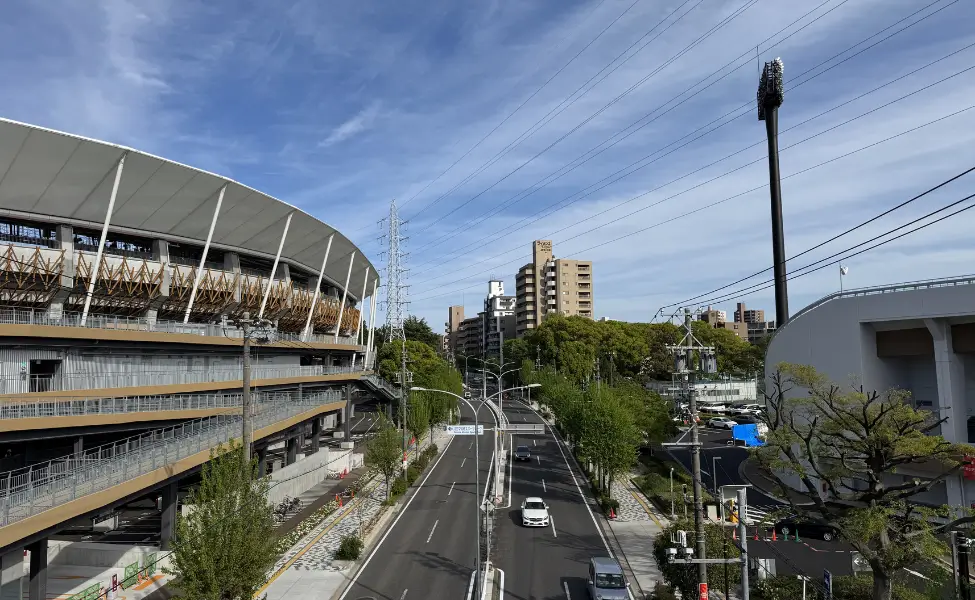
Nagoya City Mizuho Park Athletic Stadium is not in a tourist district.
That is part of what makes it worth writing about.
The area around Mizuho Park sits south of central Nagoya, accessible by subway and easily walkable from the surrounding streets.
It is a residential and community part of the city rather than a sightseeing zone. You will not find it in most Japan travel guides.
Getting there is simple
For most visitors, the easiest station is Mizuho Undojo Nishi Station on the Sakura-dori Line, the red line of the Nagoya subway system. Use Exit 2, then walk straight down the road towards the stadium. It takes around five to ten minutes, depending on your pace.
It is a very simple walk. Exit 2 comes out near the Mizuho Undojo Nishi crossroads, where there is a McDonald’s and a few convenience stores nearby. From there, you are basically walking in a straight line.
If you are coming from Nagoya Station, you can take the Sakura-dori Line directly. If you are staying around Sakae, walk to Hisaya-odori Station, which is also on the Sakura-dori Line near the TV Tower.
It is also possible to walk from Aratamabashi Station on the Meijo Line, but that route is a little longer and slightly less obvious if you do not know the area.
What the area feels like before the Games
Leading up to the Games, there is some excitement around the area, but the residential streets still feel fairly quiet. This is not a tourist district. It still feels like a local Nagoya neighbourhood.
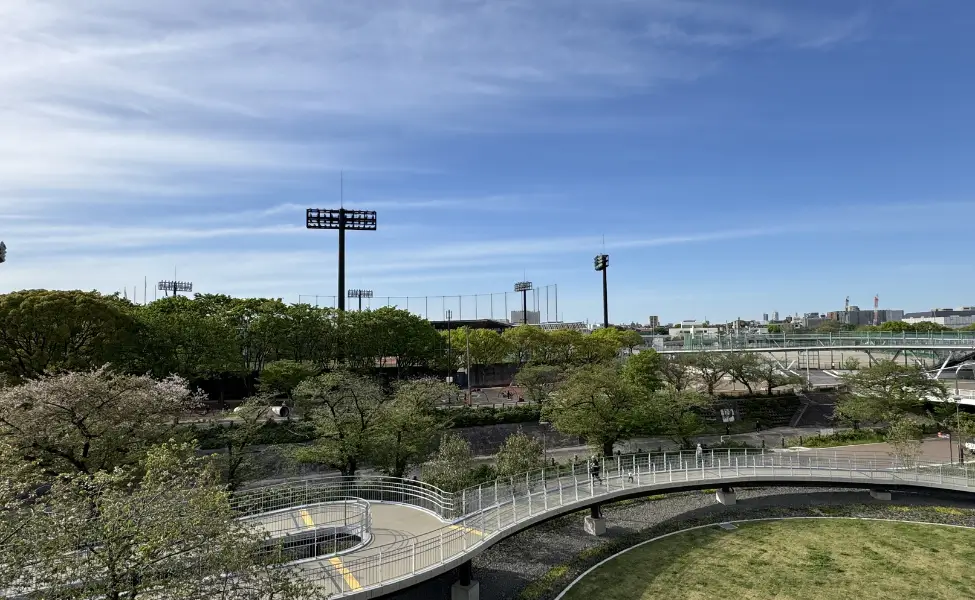
The Mizuho Park area beside the stadium has been renovated, with green space, play areas for children, and paths used by dog walkers and joggers. The stadium also sits close to the Yamazaki River, a popular local cherry blossom spot and walking route.

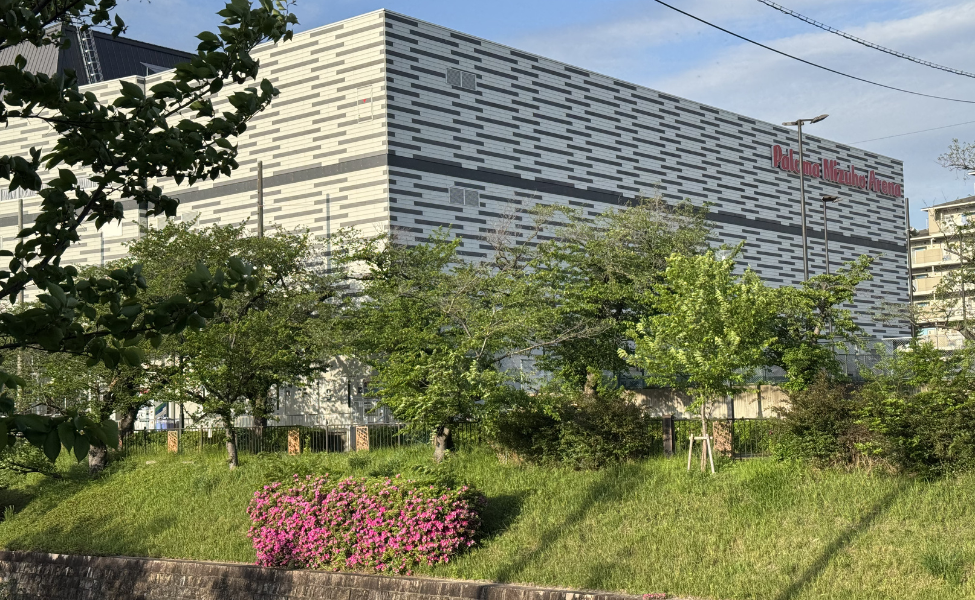
Most of the major work around the stadium appears to be finished. The stadium itself is open and functioning, although some parking areas and smaller parts of the surrounding area still look like they are being completed.
The walk from Mizuho Undojo Nishi Station is simple. There are convenience stores nearby, a few local places to eat, and the route is well signposted.
During the Games, it will probably be a case of following the crowds, but even now the area still has a peaceful neighbourhood feel.
A Local Part Of Nagoya, Not A Tourist Zone
What the area around the stadium shows is a side of Japan that the standard tourist route often misses. Not Kyoto’s Gion district, not Shibuya, but a normal residential part of Nagoya where people walk dogs, jog by the river, shop at convenience stores, and go about their day.
That is part of the appeal. If you are returning to Japan and want somewhere that feels less staged for visitors, this area gives you a better sense of what Nagoya is actually like.
Why Nagoya Works Better Than People Expect
Set aside the Asian Games for a moment and the practical case for Nagoya is already there if you know what to look for.
It sits in a useful place
The Shinkansen connection is obvious but underappreciated. Nagoya sits roughly in the middle of the Tokaido line. Tokyo is about 100 minutes away. Kyoto is under 40 minutes.
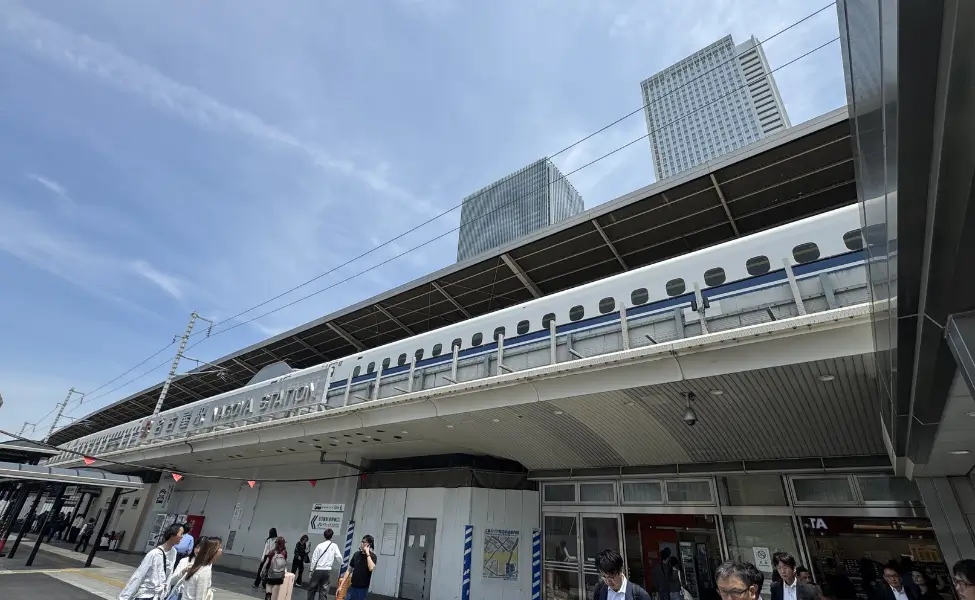
Osaka is just over an hour. For anyone spending more than ten days in Japan or planning to explore central Honshu, Nagoya is geographically useful in a way that most people do not register until they are planning the logistics.
Nagoya’s transport links are one of the main reasons the city works better as a base than many visitors expect.
Ghibli Park has changed the calculation
Ghibli Park has already given some international visitors a practical reason to spend time in the Nagoya area. Since it opened in Expo 2005 Commemorative Park in nearby Nagakute, the park has drawn visitors who might otherwise have gone straight to Kyoto or Osaka. It is not walkable from central Nagoya, but it is straightforward by transit, and most people base themselves in the city for at least a night.
Ghibli Park has also given families another reason to look at Nagoya, especially if they are already planning things to do in Nagoya with kids.
It opens up central Japan
Beyond Ghibli, the city is a practical base for day trips that most visitors on a standard Golden Route itinerary never consider.

Inuyama, with its genuine original castle, is thirty minutes away. Ise and its Grand Shrine are reachable in about ninety minutes. Gifu, Mie, and the mountain towns of the Kiso Valley are all within reach. Toyota, if industrial heritage and automotive design interest you, is also nearby.
Several worthwhile day trips from Nagoya are close enough to make the city useful for more than just an overnight stop.
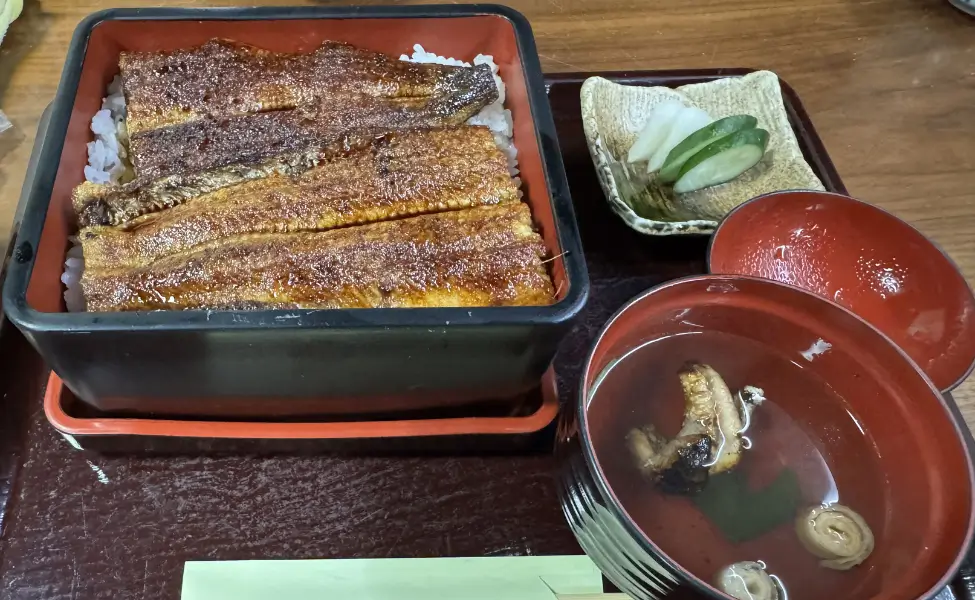
The food culture is where Nagoya surprises people most reliably. Nagoya-meshi, the local food identity, is unusual enough to be genuinely distinctive. Hitsumabushi, the eel rice eaten three ways.
Miso katsu with its thick, dark Hatcho miso sauce.
Tebasaki chicken wings. Kishimen flat noodles. These are not variations on national dishes. They are specifically Nagoya, and for food-focused travellers, that is reason enough to spend a couple of days.
Food is one of the strongest reasons to stay, especially if you want to try Nagoya dishes that feel genuinely local.

The city is also less overwhelming than Tokyo and less crowded than Kyoto at peak times. That is not nothing. If you have visited Japan before, you may already know what it feels like to try to enjoy Fushimi Inari at ten in the morning when there are hundreds of people behind you at every turn. Nagoya is not like that.
The Case For Nagoya As A Base, Not Just A Stopover
There is a difference between passing through a city and actually staying in it. Most Nagoya visitors do the former. That is partly habit and partly the way Japan itineraries are built around a small number of fixed points.
Nagoya makes most sense as a base for specific types of travellers.
Nagoya makes most sense if you are returning to Japan for a second or third trip and have already done Tokyo and Kyoto thoroughly. Central Japan offers a different kind of experience, and Nagoya is the most logical hub for it.
A Ghibli Park booking is another good reason to stay. Two nights in Nagoya gives you time for the park, local food, and a proper look at the city.
For the Asian Games, the case is even simpler. If you are attending events at Nagoya City Mizuho Park Athletic Stadium or elsewhere in Aichi, you are probably staying in Nagoya regardless.
And if crowds bother you, Nagoya offers something closer to everyday Japan than the parts of the country most heavily shaped by tourism.
It may not suit you if this is your first trip to Japan and you have a week or less. In that case, the standard itinerary of Tokyo, Kyoto, and possibly Osaka exists for a reason and there is no shame in following it.
What Visitors Should Not Expect From Nagoya
Nagoya is not Kyoto.
This sounds obvious but it bears saying plainly, because plenty of travel content about Japan quietly implies that every city offers some version of the same experience, just with slightly different branding.
Nagoya will not immediately impress you with its looks. Parts of the city centre feel businesslike and utilitarian.
The post-war rebuilding that shaped central Nagoya left it functional rather than beautiful. There is a castle, and it is worth seeing, but it is a reconstruction rather than one of Japan’s authentic originals.
The obvious sightseeing checklist is shorter here than it is in Kyoto or Nara.
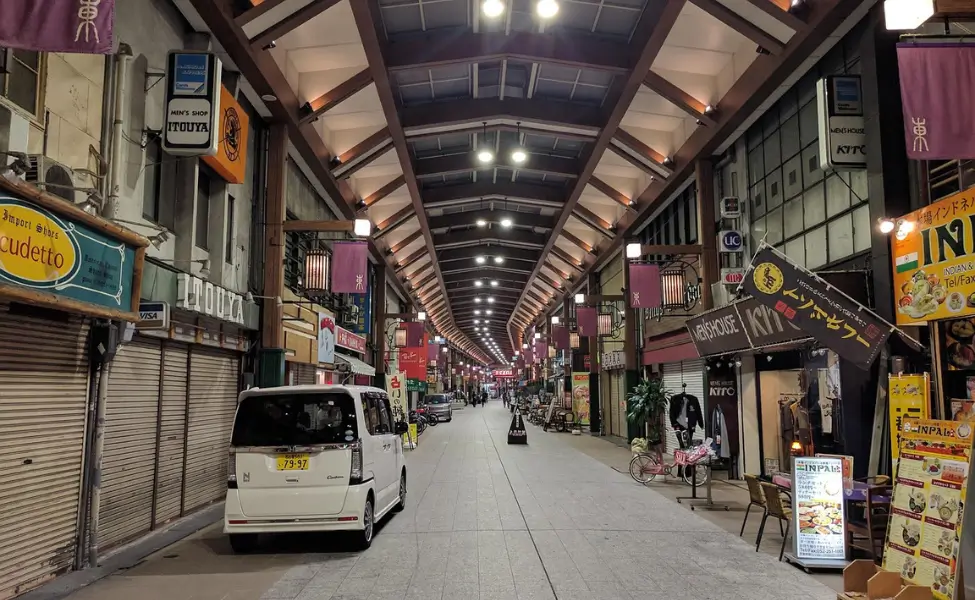
What Nagoya asks of you is a willingness to move at a slower pace and look for smaller things. The covered shopping arcades around Osu Kannon.
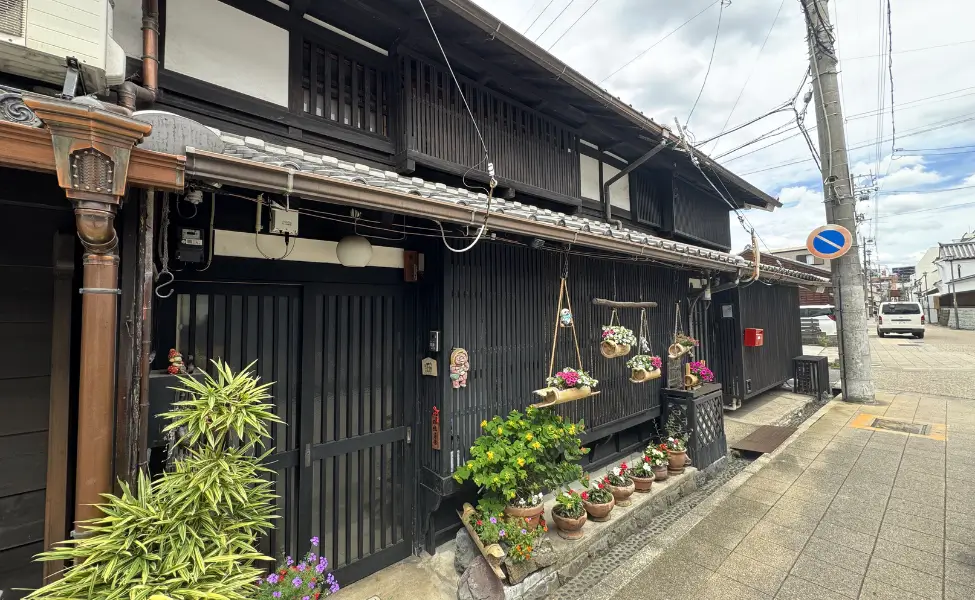
The older neighbourhoods that survived the rebuilding.
The izakayas that have been serving the same food to the same regulars for decades.
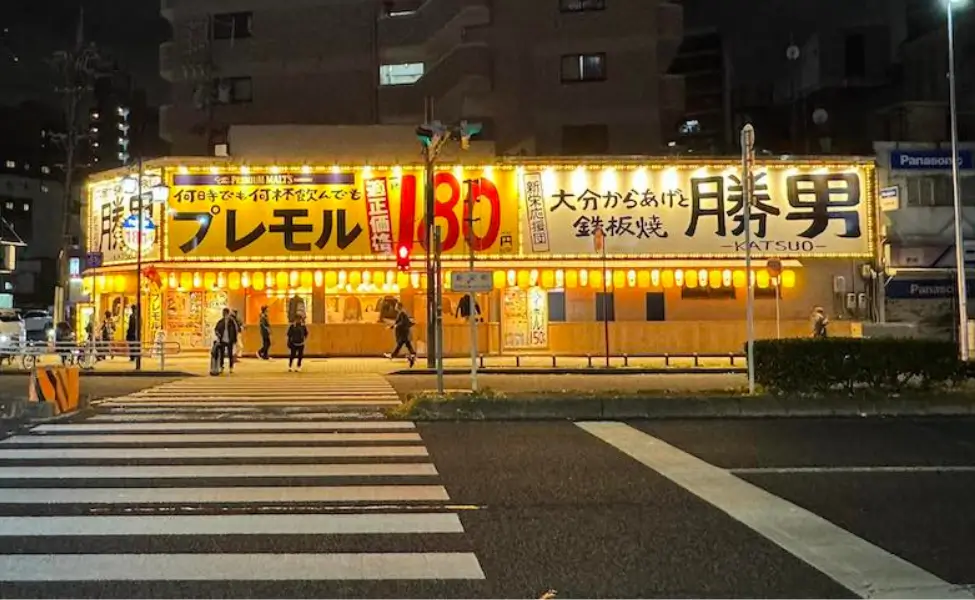
The city is best for the kind of visitor who is comfortable spending a morning wandering without a fixed destination, not the kind who needs the next landmark flagged on the map.
Its food culture, its transport connections, and its position between two of Japan’s most visited cities are its genuine strengths.
If you go expecting Kyoto and find Nagoya, you will be disappointed. If you go knowing what Nagoya actually is, you will probably find it more interesting than you expected.
Should You Add Nagoya To A 2026 Japan Trip?
The practical answer depends on what kind of trip you are taking.
Yes, if you are visiting Ghibli Park, attending or following the Asian Games, planning a trip focused on central Japan, or looking for a break from the Golden Route that does not require you to rethink your entire itinerary. Nagoya slots in without disrupting a trip built around Kyoto and Tokyo.
It adds rather than replaces.
Yes, if you are returning to Japan and want to see something you missed the first time. Central Japan has enough depth to justify its own dedicated trip and Nagoya makes that accessible.

Probably not, if you have seven days or fewer and this is your first visit. There is nothing wrong with a focused first trip. Tokyo and Kyoto have enough material for a two-week visit on their own. Nagoya will be there when you come back.
As for how long to stay: one night works if you are passing through and curious about the food. Two nights is enough to see Ghibli Park and eat well. Three nights gives you time to use the city as a base for a day trip and still feel like you actually spent time there rather than just checked in.
Final Take

Nagoya is not going to become the next Kyoto. The Asian Games will bring attention to the region in autumn 2026, and some of that attention may stick.
More people will look at Nagoya on a map and realise for the first time that it is not simply a railway stop between more famous places.
FAQ
Yes, particularly if you are visiting Ghibli Park, attending Asian Games events, or looking for a central Japan base. If this is your first Japan trip and you only have a week, prioritise Tokyo and Kyoto first.
The main venue is Nagoya City Mizuho Park Athletic Stadium, often known locally as Paloma Mizuho Stadium. Events are spread across venues in Aichi and beyond, so visitors should check the official schedule before making plans. The Games run from 19 September to 4 October 2026.
For the right kind of trip, yes. It is well connected by Shinkansen, close to Ghibli Park, and useful for day trips to Inuyama, Ise, Gifu, and the Kiso Valley. It works best as a base for second visits or central Japan focused itineraries rather than first trips on a tight schedule.
One night is enough if you are passing through and want to try the local food. Two nights covers Ghibli Park plus a proper look at the city. Three nights gives you room for a day trip and a slower pace.
No. Kyoto has more of what first-time visitors typically come to Japan to see. Nagoya is better suited to people returning for a second trip or those with a specific reason to be there, such as the Asian Games or Ghibli Park.
