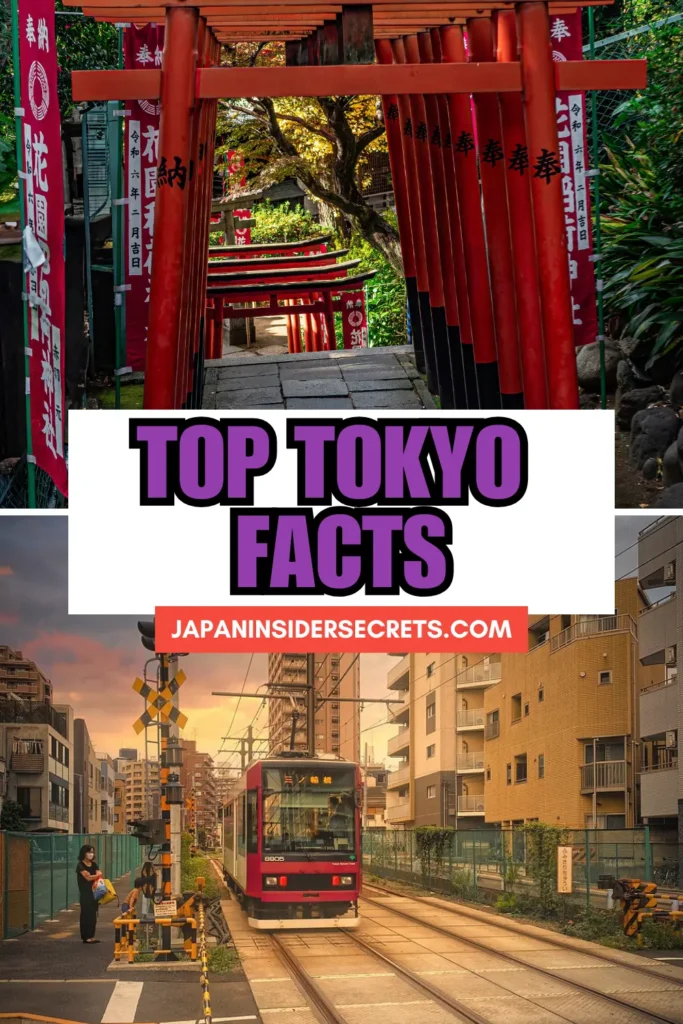

There are many amazing Tokyo facts.
For example, did you know Tokyo Disneyland isn’t actually in Tokyo?
Or that a sculpture nicknamed “golden poo” has become a beloved landmark?
Can you imagine a train station so vast that even locals get lost navigating its 200 exits?
Some islands, 1,000 kilometres away, still belong to the prefecture.
Tokyo surprises at every turn.
Looking to visit Tokyo? Check out these fun experiences 🗼
Architectural Marvels and Iconic Structures
Tokyo Skytree Reaches New Heights
Tokyo Skytree stands 634 metres tall, making it Japan’s tallest structure.
Finished in 2012, the broadcasting tower has observation decks at 350 and 450 metres.
You can enjoy stunning views of the Kanto region from there.
On clear days, you can spot Mount Fuji.

The height carries special meaning.
When read as “mu-sa-shi” in Japanese, 634 references Musashi, the historic name for this region.
The tower combines traditional Japanese design with earthquake-resistant technology.
How to visit: Oshiage or Tokyo Skytree Station.
Decks at 350 metres and 450 metres.
Best views on clear winter mornings.
Tokyo Tower Drew Inspiration from Paris
Built in 1958, this 333-metre structure was directly influenced by the Eiffel Tower.
Tokyo Tower served as the city’s main broadcasting tower until Skytree took over.

Despite being older, it remains beloved for its nostalgic charm and central location.
The Rainbow Bridge Transforms After Dark
When night falls, solar-powered lights transform the Rainbow Bridge connecting central Tokyo to Odaiba in a nightly colour display that shifts with the seasons.
The illuminated displays attract couples and photographers timing their visits for the spectacle.

Golden Poo Adds Quirky Character to Asakusa
The Asahi Flame sculpture has earned an amusing nickname.
Designed to resemble a frothy beer head, locals call it the “golden poo” because of its distinctive colour and shape.

The oddity has become a beloved landmark showing Tokyo embraces whimsy alongside tradition.
Tokyo’s Unique Name and History
Tokyo means “Eastern Capital.”
This name shows a change from its earlier identity as Edo, a small fishing village that became a major city.
When Emperor Meiji moved Japan’s capital from Kyoto in 1868, the city received its new name.
This transformation represents one of history’s most dramatic urban evolutions.
Theme Parks and Entertainment
Tokyo Disneyland Isn’t Actually in Tokyo
Despite its name, Tokyo Disneyland sits in Urayasu, Chiba Prefecture, just 15 to 20 minutes by train from Tokyo Station.
Opening on 15 April 1983, it became the first Disney park built outside the United States.
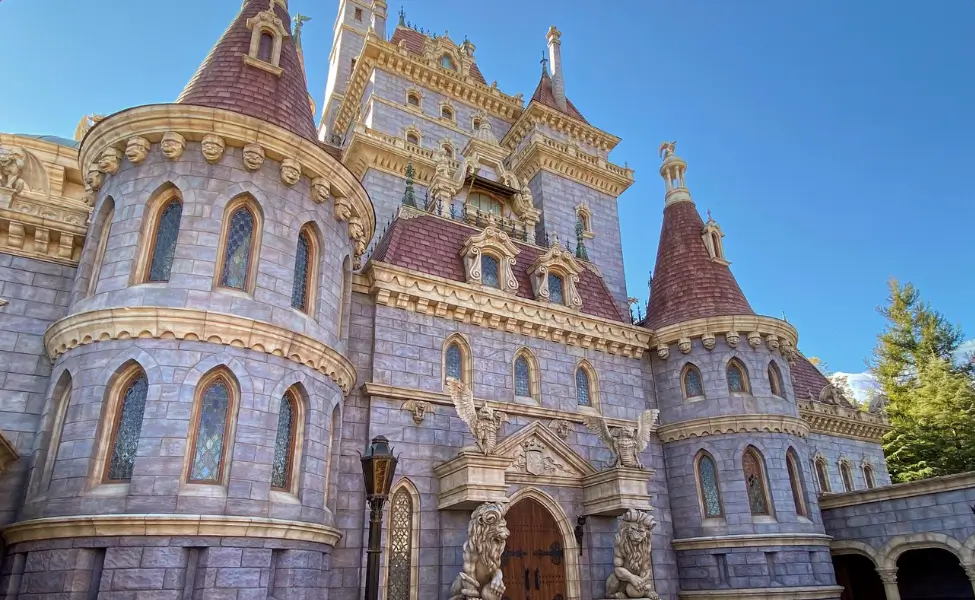
In 2024, Tokyo Disneyland welcomed 15.1 million visitors.
Markets and Culinary Experiences
Tsukiji Market Made History with Its Move
Tsukiji Fish Market operated for over 80 years as the world’s largest wholesale seafood market.
Pre-dawn tuna auctions attracted tourists worldwide.

Here, huge frozen fish sold for sky-high prices.
The inner wholesale market closed on 6 October 2018 and reopened five days later at the new Toyosu Market.
The move caused a stir among traditionalists.
However, the new facility offers modern temperature controls and doubles the space.
Visitors now watch the tuna auctions from elevated viewing areas.
The original Tsukiji outer market remains operational with restaurants, shops, and street food.
How to visit: Shijo-mae Station on Yurikamome Line.
Tuna auction viewing requires advance lottery application.
Restaurants open from 5 am.
Maid Cafes Add Theatrical Entertainment
Maid cafes showcase Tokyo’s playful side with waitresses dressed in Victorian maid costumes who serve customers with theatrical enthusiasm.
The atmosphere takes guests to a fantasy world.

It turns everyday moments into unforgettable fun.
Fashion, Parks, and Cultural Landmarks
Yoyogi Park has long served as a stage for Tokyo’s fashion-forward youth.
Every weekend, they showcase cutting-edge styles on the park’s wide lawns.
The space provides room for street fashion displays, picnics, and performers.
Transportation and Infrastructure
Shinjuku Station Handles Mind-Boggling Crowds
Shinjuku Station holds the Guinness World Record as the world’s busiest railway station.
In 2018, approximately 3.6 million passengers passed through daily.

These numbers dwarf every other station globally.
Multiple train operators converge here such as JR East, Keio, Odakyu, Toei, and Tokyo Metro.
Over 200 exits spread across a labyrinthine complex where even Tokyo natives sometimes get lost.
The JR East section alone handles around 1.5 million passengers daily.
Despite the overwhelming scale, trains maintain legendary punctuality.
Tokyo’s Metro System Never Stops Moving
Tokyo’s underground network comprises two main systems.
The Tokyo Metro and Toei Subway.
Together they transport millions of passengers daily through an intricate web of lines connecting every corner of the metropolis.
Trains rarely delay more than seconds, setting global standards for punctuality and cleanliness.
Dining and Michelin Excellence
Tokyo Leads the World in Michelin Stars
Tokyo has dominated the Michelin Guide for 18 consecutive years with more starred restaurants than any other city on Earth.
The 2025 Michelin Guide Tokyo lists 170 starred places.
This includes 12 three-star restaurants, 26 with two stars, and 132 one-star venues.
These numbers exceed Paris, New York, and every other culinary capital.
The diversity covers traditional Japanese kaiseki and modern French fusion.

It includes dishes from 34 different culinary traditions.
To get reservations at top places, you usually need to book three to six months ahead.
Traditional Culture and Spiritual Sites
Kabuki Theatre Preserves Centuries of Tradition
Kabukiza Theatre in Ginza offers real kabuki shows.
You can enjoy elaborate costumes, dramatic stories, and unique dance moves.

English subtitles make this classical art form easy for international visitors.
Single-act tickets allow you to try kabuki without committing to long programmes that usually last several hours.
Over 1,000 Temples and Shrines Dot the City
Tokyo contains more than 1,000 sacred sites ranging from the ancient Sensoji Temple in Asakusa to the serene Nezu Shrine.

These spiritual spaces provide a calm escape from city life and keep centuries of religious and cultural heritage alive.
Many welcome visitors for meditation, festivals, and seasonal celebrations.
Retail and Shopping Districts
Nakamise Street Connects Past and Present
This 250-metre shopping street links Kaminarimon Gate to Sensoji Temple with 89 shops selling traditional Japanese snacks and souvenirs.

You can sample dango (sweet rice dumplings) or try melon pan, a popular sweet bread.
The lively atmosphere captures old Tokyo’s commercial spirit whilst catering to modern tourists.
Ginza Represents Luxury at Its Finest
High-end fashion brands like Dior and Louis Vuitton fill Ginza’s broad streets.
This area is known for luxury shopping.
The area also features Michelin-starred restaurants, upscale department stores, and art galleries.

Weekend afternoons transform main streets into pedestrian zones where you can window-shop without traffic concerns.
Kappabashi District Supplies Professional Kitchens
Between Ueno and Asakusa, Kappabashi Street extends 800 metres with over 170 shops specialising in kitchenware.
Professional chefs and home cooks search for Japanese knives, ceramic bowls, and lifelike plastic food samples in restaurant windows.
How to visit: Tawaramachi or Asakusa Station.
Most shops open late morning to late afternoon.
Best for knives and display food.
Harajuku’s Takeshita Street Pulses with Youth Energy
Takeshita Street attracts teens and young adults.
Trendy fashion boutiques, crepe stands, and kawaii goods line the narrow pedestrian street.

Takeshita Street is the heart of Tokyo’s fashion scene.
It’s busy from 9 am to 9 pm, especially on weekends and during festivals.
Sports and Recreation
Sumo Wrestling Commands Respect
Each January, May, and September, the Ryogoku Kokugikan hosts 15-day tournaments.
These events highlight Japan’s ancient wrestling tradition.
Massive athletes compete in ceremonial matches blending sport with Shinto ritual.
Securing tickets requires advance planning, but the experience offers unparalleled cultural immersion.
Tokyo Dome Hosts Multiple Events
Tokyo Dome serves as home to the Yomiuri Giants baseball team, seating 46,000 spectators for games and concerts.
The venue’s versatility makes it a top entertainment spot.

It hosts everything from baseball games to international music shows.
Tokyo Marathon Attracts Global Athletes
The Tokyo Marathon is one of the World Marathon Majors.
It attracts top runners and casual participants from all over the world.
The 2025 edition saw 37,785 runners complete the course, with hundreds of thousands more applying for limited spots.
The race typically occurs in early March when cherry blossoms begin emerging.
Nightlife and Entertainment Districts
Roppongi Serves International Communities
Roppongi’s bars, clubs, and restaurants draw in locals and expats.
This mix creates a lively atmosphere, with many languages filling the narrow streets.

The neighbourhood got its name as Tokyo’s international entertainment hub.
Its nightlife continues until dawn.
Golden Gai Packs Character into Tiny Spaces
Shinjuku’s Golden Gai packs over 200 tiny bars into six narrow alleys.

Most places seat fewer than ten people.
This creates intimate drinking experiences encouraging conversations between strangers.
Each bar has its own vibe, from jazz clubs to literary salons.
They show different sides of Tokyo’s postwar drinking culture.
Late-Night Karaoke Defines Tokyo Nightlife
Private karaoke rooms line streets throughout Tokyo, staying open long after regular bars close.
Groups rent rooms by the hour to sing whilst enjoying drinks and snacks.
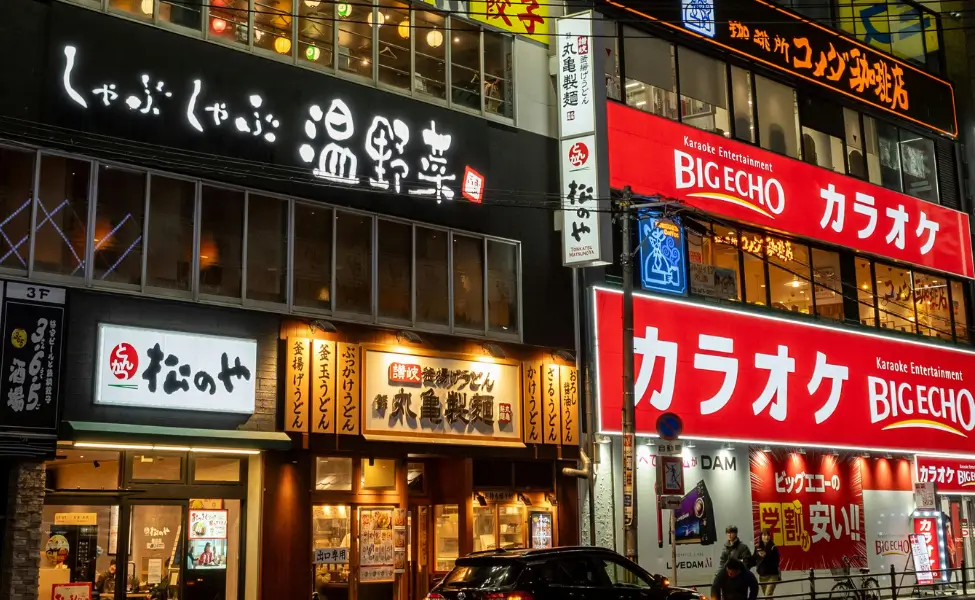
This uniquely Japanese entertainment form lets friends and colleagues bond regardless of musical talent.
Museums and Educational Attractions
Ghibli Museum Celebrates Animation Magic
The Ghibli Museum, found in Mitaka, western Tokyo, highlights Studio Ghibli’s magical world and Hayao Miyazaki’s cherished animated films.

Exhibits show the animation process and keep the playful spirit that defines Ghibli’s storytelling.
The museum requires advance ticket reservations that sell out quickly.
Tokyo National Museum Preserves Japanese Heritage
Established in 1872 in Ueno Park, this is Japan’s oldest national museum.

The collection exceeds 116,000 artefacts, including national treasures and culturally significant items spanning Japanese history.
The Horyuji Treasures collection has over 300 pieces of Buddhist art.
Also, archaeological finds from Egypt and India show the museum’s global reach.
Shin-Yokohama Ramen Museum Recreates History
Enter the Shin-Yokohama Ramen Museum and you’ll feel like you’re in 1958.

The museum features recreated Showa-era streets, back alleys, and a central courtyard.
Many ramen shops serve regional specialities from all over Japan.
This lets you compare different styles without travelling the whole country.
Popular Districts and Attractions
Akihabara Defines Geek Culture
Known as “Electric Town,” Akihabara concentrates electronics shops, anime stores, and manga retailers into several blocks.

Multi-storey buildings overflow with computer parts, video games, and collectible figures.
Maid cafes dot the streets, creating sensory overload that defines otaku culture at its most exuberant.
Odaiba Rises from Tokyo Bay
Odaiba was first built for harbour defence in the 1850s.
It was redeveloped in the 1990s.
Now, it features shopping malls like Aqua City and DiverCity, a giant Gundam statue, museums, and entertainment complexes.

The waterfront spot offers amazing views of central Tokyo.
Hanayashiki Amusement Park Preserves Nostalgia
Opened in 1853 as a flower park, Hanayashiki in Asakusa claims the title of Tokyo’s oldest amusement park.
The small size and classic rides offer a lovely contrast to modern theme parks.
This makes for a nice afternoon break close to Asakusa Station and Sensoji Temple.
Tourist Ninja Training Brings Fantasy to Life
Many dojos in Tokyo provide ninja training experiences.
Visitors can wear traditional outfits and learn to throw ninja stars, use swords, and master basic techniques.
These tourist-friendly sessions provide entertainment value rather than authentic martial arts instruction, though they’re undeniably fun.
Green Spaces and Natural Beauty
Meiji Shrine Offers Urban Sanctuary
Surrounded by 70 hectares of artificial forest planted by 110,000 volunteers, Meiji Shrine provides peaceful retreat despite sitting in central Tokyo.

The forest contains 234 different tree species, creating genuine wilderness in the heart of the metropolis.
The shrine honours Emperor Meiji and Empress Shoken, who presided over Japan’s modernisation.
Shinjuku Gyoen Blends Garden Styles
This 58-hectare park features three unique garden styles: traditional Japanese, formal English, and elegant French.
The variety lets you experience multiple landscaping philosophies within one afternoon.
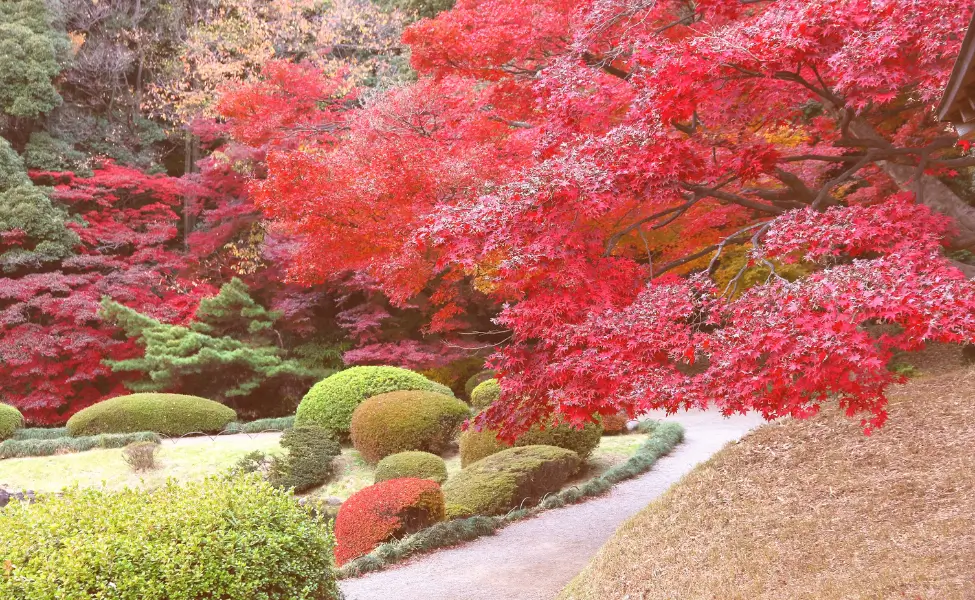
Shinjuku Gyoen is especially magical in spring when the cherry blossoms bloom and in autumn when the leaves change colour.
How to visit: Shinjuku Gyoemmae Station.
Entry fee required.
Peak blossoms late March to early April.
Business and Historic Districts
Nihonbashi is only minutes from Tokyo Station.
It mixes history with modern business.
Japan’s first department store, Mitsukoshi, is here.
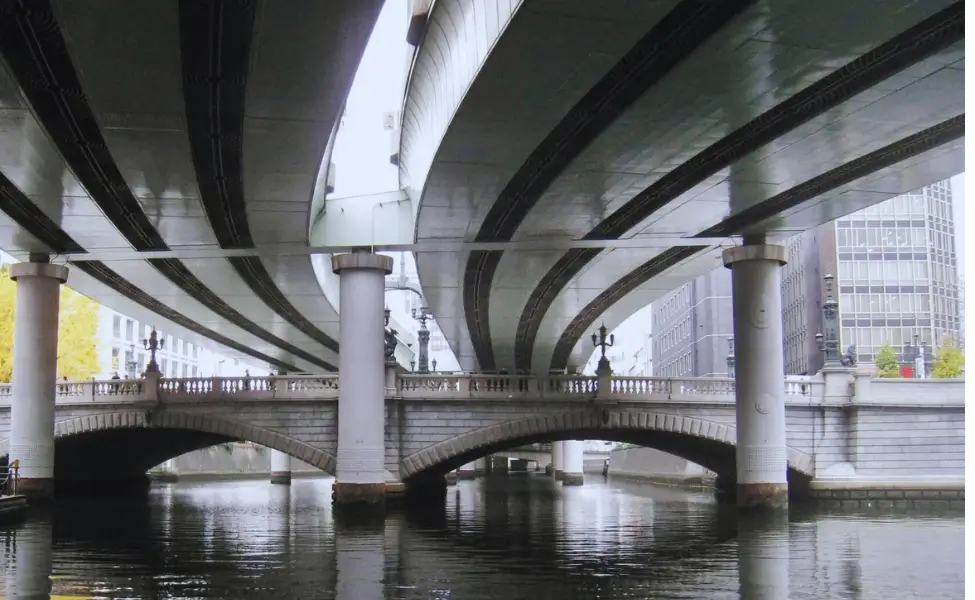
So is the famous Nihonbashi Bridge, often shown in traditional ukiyo-e prints.
The district demonstrates Tokyo’s talent for preserving heritage whilst embracing contemporary luxury.
Seasonal Considerations and Events
Summer Heat Tests Endurance
Tokyo summers often see temperatures over 30°C, sometimes hitting 38°C.
The high humidity makes it tough, even for seasoned travellers.
Air-conditioned spaces are vital havens.
Many locals skip outdoor activities during the hottest afternoon hours.
Sumida River Fireworks Festival Lights Up Summer
The festival takes place on the last Saturday of July by the Sumida River.

It features around 20,000 fireworks over 90 minutes.
This tradition started in 1733 as a prayer to end famine.
Crowds gather by the riverbanks, enjoying food stalls and a festive vibe.
The sky bursts with colour in Japan’s oldest fireworks tradition.
Practical Transport and Accommodation
Capsule Hotels Maximise Limited Space
These unique Japanese accommodations feature small sleeping pods piled next to and on top of each other.
Each capsule has a comfy bed, a reading light, and basic amenities.
They offer affordable rates for a genuine Tokyo experience while keeping costs down.
Public Transport Runs Like Clockwork
Tokyo’s trains and buses are famously on time, rarely delayed by more than a few seconds.
This precision proves vital in a city where millions depend on public transport daily.
You can genuinely set your watch by Tokyo train arrivals.
Territorial Surprises
The Ogasawara Islands, or Bonin Islands, are about 1,000 kilometres south of Tokyo.

They are part of the metropolitan prefecture.
Only two islands support permanent populations, Chichijima and Hahajima.
These subtropical islands earned UNESCO World Heritage status for their unique ecosystems and endemic species.
Tokyo rewards curiosity with endless discoveries at every turn.
Stay a week or an afternoon and the city still keeps surprises in its back pocket.