

Japan in March occupies that peculiar space between winter and spring.
The country sheds its snow and early cherry blossoms start appearing in the south.
After 26 years here, I’ve learned this timing creates opportunities most visitors miss.
You get peaceful moments before the main tourist season erupts in April, reasonable prices, and weather that finally cooperates without the humidity or extreme cold.
The shift from winter to spring happens gradually across the country.
Southern regions warm up first while Hokkaido still dumps powder snow.
This spread means you can ski in the morning and explore temple gardens in mild weather the same day if you plan routes properly.
Be aware that rural areas might still operate on winter schedules in early March with limited bus services and some attractions on reduced hours.
Always check local transport schedules and opening times before heading to smaller towns.
Why March Works Better Than You Think
Temperature sits around 7°C to 15°C in Tokyo, but that average hides the reality.

Mornings bite cold, afternoons turn pleasant enough to shed layers, evenings require jackets again.
Pack clothing that layers rather than bulky winter coats.
Rain stays minimal. You’ll see about 10 wet days spread across the month.
Western Japan around Kyoto and Osaka tends wetter, but nothing compared to the monsoon misery of June.
Hokkaido still sees snow through March, keeping northern ski conditions excellent.
The genuine advantage shows in crowd patterns.
International tourists haven’t peaked yet, though Japanese university students finish exams and travel domestically.
Major cities require booking two months ahead.
Rural areas need six weeks notice for decent accommodation.
Cherry blossom timing varies wildly by year and location.
Southern Kyushu might bloom late March. Tokyo and Kyoto typically hit late March into April.
Northern regions won’t bloom until late April or May.
The Japan Meteorological Corporation releases sakura forecasts from early February onwards at their official website.
Check weekly rather than committing to fixed dates months ahead. Forecasts update as weather patterns develop.
Okinawa Without the Brutal Heat
March gives you Okinawa’s best weather without summer’s suffocating humidity.

Water temperatures reach 21°C to 23°C.
Cold by tropical standards but swimmable if you’re not precious about it.
More importantly, you avoid the intense UV that turns July beach time into an ordeal requiring constant sunscreen reapplication.
We make a point of visiting one of the Okinawan islands every March

Ocean visibility peaks before summer plankton blooms cloud the water.
Kerama Islands offer exceptional snorkelling and diving conditions.
Blue Cave in Onna stays accessible without the boat traffic chaos of peak season.
Northern Yanbaru region sees minimal crowds.
Hiji Falls and surrounding subtropical forest hit perfect hiking temperature.
Summer’s oppressive humidity that makes jungle walks miserable hasn’t arrived.
The trail to the falls takes about 40 minutes through dense forest.
Proper shoes required as paths stay muddy.
Morning markets showcase what Okinawa actually eats rather than tourist versions.
Makishi Public Market opens early.
Get there by 8am for the day’s catch and seasonal vegetables.
Second floor restaurants cook what you buy downstairs.
Okinawa accommodation runs 30 to 40 per cent cheaper than Golden Week or summer.

Book directly with smaller guesthouses rather than using booking platforms.
Many offer better rates and fewer fees when you contact them directly.
Skiing Still Strong in Hokkaido
Central Honshu ski resorts around Nagano and Gifu wind down through March.
Many close by late March or early April as snow quality deteriorates at lower elevations.
Hokkaido operates differently.
Northern resorts continue receiving proper snowfall through March and often into April.
Niseko still dumps powder in March.

Snow quality remains excellent while prices drop 20 per cent from February peak rates. Australian tourists thin out slightly.
Book smaller lodges in Hirafu rather than massive resort hotels for better value and atmosphere.
Rusutsu offers similar conditions with fewer crowds than Niseko.
The resort spans three interconnected mountains with varied terrain.
Late season means longer daylight hours and stable weather patterns.
Spring skiing conditions arrive by late March with softer snow by afternoon, but mornings still offer proper powder.
Furano maintains good snow through March.
The resort sees fewer international visitors than Niseko, keeping lift queues minimal.
Town maintains authentic Japanese character rather than the international resort feel elsewhere.
Equipment rental quality varies dramatically.
Book online with established shops before arriving rather than taking chances with resort rentals.
Bring your own gloves and goggles regardless.
Japanese rental goggles rarely fit Western face shapes properly.
March Festivals Worth Actually Attending
Omizutori at Todaiji Temple, Nara
Omizutori at Todaiji Temple in Nara runs nightly from March 1st to 14th.

Monks carry massive flaming torches across the wooden balcony of Nigatsu-do Hall, showering sparks on the crowd below.
People jostle to catch embers for good luck.
The ceremony dates back over 1,200 years without interruption.
Arrive by 6pm for viewing position.
Main torch ceremony starts around 7pm but timing shifts slightly by date.
March 12th finale features the largest torches and draws biggest crowds.
Most tourists leave after the torch ceremony.
The actual heart of the ritual happens in predawn hours around 2am when monks draw sacred water from the well in the Omizutori (water-drawing) ceremony.
Few visitors stay for this but it gives the festival its name.
Check the Nara tourism website for detailed Omizutori information and access details.
Hinamatsuri (Doll Festival)
Hinamatsuri on March 3rd celebrates girls with ornamental doll displays.
Katsuura in Chiba Prefecture displays 30,000 hina dolls on temple steps throughout town.
The effect hits somewhere between charming and slightly unsettling.
Displays run late February through early March.
Kyoto’s Shimogamo Shrine holds a Hinamatsuri ceremony where dolls float down the river in tiny boats. Free to watch, starts around 10am.

Traditional sweet shops sell sakura mochi wrapped in pickled cherry leaves specifically for this festival.
The salty leaf against sweet bean paste creates an acquired taste that grows on you.
Off-Season Takayama
Takayama in early March offers something better than festival crowds.

The old town empties out.
Sake breweries open for tastings.
Morning markets along the river sell mountain vegetables only available in early spring.
Hida beef skewers at market stalls cost half what Tokyo charges.
Where to Actually Find Early Cherry Blossoms
Most cherry blossom advice targets Tokyo and Kyoto for early April.
March requires different locations.
Kawazu on the Izu Peninsula blooms late February into early March with deep pink Kawazu-zakura variety.

Takes about three hours from Tokyo.
The 4km stretch along Kawazu River creates a tunnel of vibrant pink.
Atami in Shizuoka blooms late January through February with Atami-zakura variety.
About 90 minutes from Tokyo.
Much quieter than famous spots.
The blooming schedule means you might catch tail end in very early March.
For late March blossoms when timing aligns, skip the famous overcrowded spots entirely.
Shinjuku Gyoen in Tokyo requires entry fee which filters casual tourists.

The garden contains multiple cherry varieties that bloom at different times.
Late March often hits the early bloomers.
Arrive at opening to avoid crowds.
No alcohol allowed unlike most hanami spots, keeping atmosphere calmer.
Meguro River in Tokyo offers 4km of cherry trees along the waterway.

Late March sometimes catches early blooms depending on year.
The riverside path lets you walk continuously rather than fighting for space in a park.
Evening illuminations start when blooms hit.
Local restaurants and bars set up riverside seating.
Regional Experiences That Feel Different
Kanazawa’s Quieter Season
Kanazawa works brilliantly in March.
Kenrokuen Garden transitions from winter snow viewing to early plum blossoms.
Tourist numbers stay manageable before spring rush.
The garden’s yukitsuri rope structures protecting trees from snow come down mid-March, marking seasonal shift.
Walk Higashi Chaya geisha district early morning before tour buses arrive.

The preserved wooden buildings photograph better in soft morning light anyway.
Hakuza gold leaf workshop offers classes applying gold leaf to chopsticks or small boxes.
Takes 90 minutes, costs around 2,500 yen.
Temple Stays in Koyasan
Koyasan in Wakayama Prefecture lets you sleep in Buddhist temples accepting overnight guests.
March cold keeps visitor numbers down.
Morning prayer ceremonies at 6am feel authentic when only a handful of guests attend rather than packed tour groups.

Okunoin cemetery walk through towering cryptomeria trees becomes meditative rather than crowded.
The 2km path passes 200,000 graves and monuments.
Go at dusk when day visitors leave and stone lanterns start lighting the path.
Temperature drops significantly so layer up.
Temple lodgings include two vegetarian meals.
Book directly through Koyasan Shukubo Association.
Expect 12,000 to 18,000 yen per person including meals.
Rooms have futon bedding on tatami mats.
Western beds don’t exist.
Heating can be minimal so bring warm pyjamas.
City Experiences Beyond Standard Routes
Tokyo Hidden Neighbourhoods
The old temple district maintains Edo period street layout.

March brings plum blossoms to temple gardens.
Yanaka Cemetery becomes an accidental park with locals walking through as shortcut.
Rent a bicycle from the station and explore the backstreets.
Tokyo’s depachika (department store food halls) in basement levels showcase seasonal ingredients.
Osaka as a Food Base
Osaka works better as a food base than sightseeing destination.
March brings spring ingredients to izakayas and standing bars.
Shinsekai district looks aggressively touristy but locals actually eat there.

Try kushikatsu at Daruma, the original shop.
The twice-dipping sauce rule gets enforced seriously.
Kuromon Market operates daily with exceptional seafood and produce.
Go mid-morning when stalls start cooking samples.
Endo Sushi inside the market serves the freshest fish at reasonable prices.
Order the chef’s selection rather than trying to navigate the menu.
Dotonbori remains chaotic but walk the backstreets of Namba and Shinsaibashi.

Smaller yakitori joints and standing sake bars where you’ll be the only foreigner.
Look for places with salary workers standing at counters drinking after work.
That’s where locals go.
Kyoto Temple Strategy
Kyoto temple circuits need different timing more than different temples.
Fushimi Inari stays relatively quiet before 8am and after 4pm.

The torii gate path up the mountain takes 2 to 3 hours return.
Most tourists photograph the first section then leave. Keep walking.
The forest section halfway up sees almost nobody.
Kinkakuji cannot be saved from crowds at any time.
Accept this or skip it.
Instead try Ryoanji Temple next door.
The rock garden sees far fewer visitors.
Sit on the wooden platform and actually look at the garden rather than taking photos over other people’s heads.
March Seasonal Food Worth Seeking
March brings specific ingredients to Japanese cuisine that won’t appear other times.
Bamboo shoots (takenoko) start appearing in late March.
Fresh bamboo shoots bear no resemblance to the tinned version.
Look for takenoko gohan (bamboo rice) or takenoko tempura.
Mountain vegetables (sansai) start appearing depending on region.
These foraged greens include fiddlehead ferns and various bitter greens.
Firefly squid season in Toyama Bay peaks from late March through May, though the official boat tours typically run April 1st to early May when spawning activity makes the bioluminescence most visible.

The squid rise from depths of 200 to 600 metres to spawn in shallow waters.
Tours depart around 3am to catch the predawn spectacle.
Available in other regions but Toyama has them fresh daily during season.
Note that tours can be cancelled due to weather or poor catch conditions, and bookings fill up quickly when reservations open in early March.
Sakura mochi appears for Hinamatsuri and cherry blossom season.
Pink rice cake wrapped in pickled cherry leaf.

The leaf is edible, salty flavour balancing sweet bean paste inside.
Practical Transport Details
Understanding JR Pass Value
JR Pass mathematics changed significantly with October 2023 price increases.
The seven day ordinary pass now costs 50,000 yen for adults and 25,000 yen for children (ages 6 to 11).

Tokyo to Kyoto return plus one more major journey barely justifies the cost.
A Tokyo to Kyoto one way ticket costs around 13,320 yen on regular unreserved shinkansen.
Calculate your actual planned routes using a JR Pass calculator online before buying.
Check the official JR Pass website for current pricing and use their fare calculator to compare point-to-point tickets against pass costs for your specific itinerary.
Alternative Transport Options
Regional passes often make more sense.
JR East covers Tokyo and surrounds.
JR West Kansai Area Pass works for Kyoto, Osaka, Nara circuits.
IC cards (Suica, Pasmo, Icoca) work on nearly all trains and buses. Load 5,000 yen initially.
Add more at station machines as this saves constant ticket buying hassle.
Return cards before leaving for 500 yen deposit back.
Booking Timing
March flight and hotel prices sit below Golden Week (late April to early May) and summer rates.
Book 6 to 8 weeks ahead for best selection and prices.
Major cities like Tokyo, Kyoto, Osaka need earlier booking for late March when cherry blossom season starts.
Accommodation Strategies
Business hotels offer best value in cities.
Rooms run small by Western standards though.

Ryokan (traditional inns) vary wildly in price and quality.
Budget options start around 8,000 yen per person.
Mid-range places with good meals run 15,000 to 25,000 yen.
Luxury options exceed 50,000 yen easily.
Many require dinner and breakfast packages with no opt-out option.
Onsen (hot spring) access adds value if you actually enjoy soaking in communal baths.

Many ryokan require meal packages.
Factor this into budget comparisons against hotels where you choose your own meals.
Capsule hotels work fine for solo budget travellers.
Shared bathrooms, minimal privacy, efficient for short stays.
March booking competition peaks for last week as cherry blossom chasers flood popular cities.
Book Tokyo, Kyoto, Osaka accommodation by early February for late March stays.
Earlier if possible.
Final Practical Notes
Luggage forwarding (takuhaibin) services send bags between cities.
Costs 2,000 to 3,000 yen per bag, arrives next day.
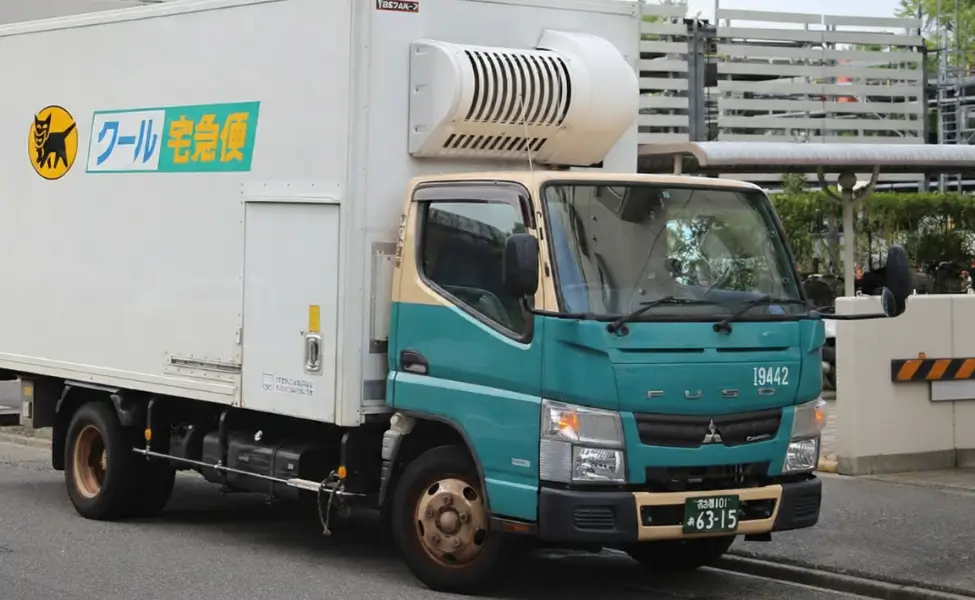
Beats dragging suitcases through train stations.
Ask your hotel to arrange it.
Hand over your bag in the morning, it arrives at your next hotel the following day.
To stay connected, get an eSim set up before you arrive and life will be much easier.
March Timeline at a Glance
Early March (1st to 10th)
- Omizutori festival at Todaiji Temple, Nara (1st to 14th)
- Hokkaido skiing at peak conditions
- Central Honshu ski resorts starting to wind down
- Plum blossoms in full bloom across various regions
- Hinamatsuri doll festival on March 3rd
Mid March (11th to 20th)
- Omizutori finale on 12th with largest torches
- Nagano and Gifu ski resorts closing or on reduced schedules
- Weather transitioning noticeably warmer
- Mountain vegetables starting to appear in markets
- Bamboo shoot season beginning in southern regions
Late March (21st to 31st)
- Early cherry blossoms in southern Kyushu
- Possible early blooms in Tokyo and Kyoto depending on year
- Firefly squid season starting in Toyama (peak in April)
- Spring vegetable season in full swing
- Okinawa beach weather at its best
- Hokkaido skiing still excellent
March rewards early risers and people willing to venture beyond obvious tourist circuits.
Weather cooperates.
Crowds stay manageable.
You catch Japan in transition between winter quiet and spring chaos.
Most importantly, you spend less while seeing more of how the country actually functions rather than its tourist performance.
