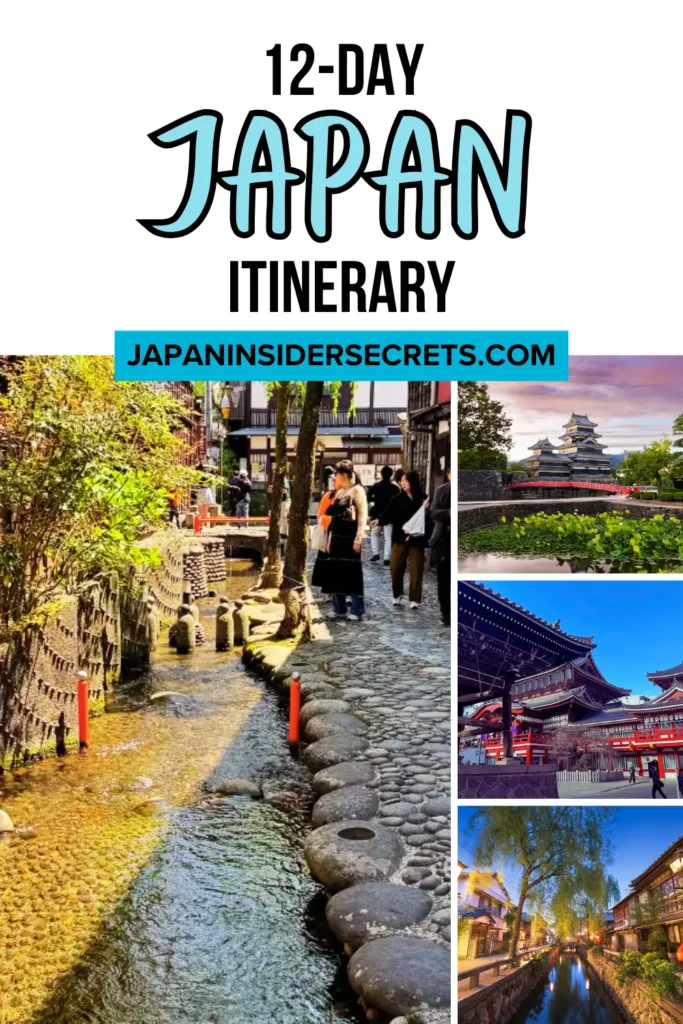

If every Japan itinerary looks the same to you, there is a reason.
Tokyo for three nights. Shinkansen to Kyoto. A day in Osaka. Maybe Nara. Then home.
Some travel articles dress it up with different hotel names, cafe stops or side trips, but the route itself rarely changes.
If you have been researching Japan and feeling vaguely dissatisfied, that feeling is probably telling you something useful.
The Golden Route is not wrong.
But if you are looking for a 12 day Japan itinerary that doesn’t spend half its time in one crowded corridor, central Japan is almost untouched.
The region running south from Gifu through Aichi and east along the Izu coast offers a completely different shape of trip.
This route—Tokyo ➔ Nagoya ➔ Gifu ➔ Izu Coast ➔ Tokyo—uses Nagoya as its base.
It includes an onsen night in a town with actual character, visits places whose names your friends will not recognise, and leaves you with enough energy at the end to feel like you actually enjoyed it.
I have lived in Nagoya for three decades and visited all 47 prefectures.
This is the route I would put together for a well-travelled friend asking where to actually go.
Why This Route Makes Sense
Most visitors fly into Tokyo.
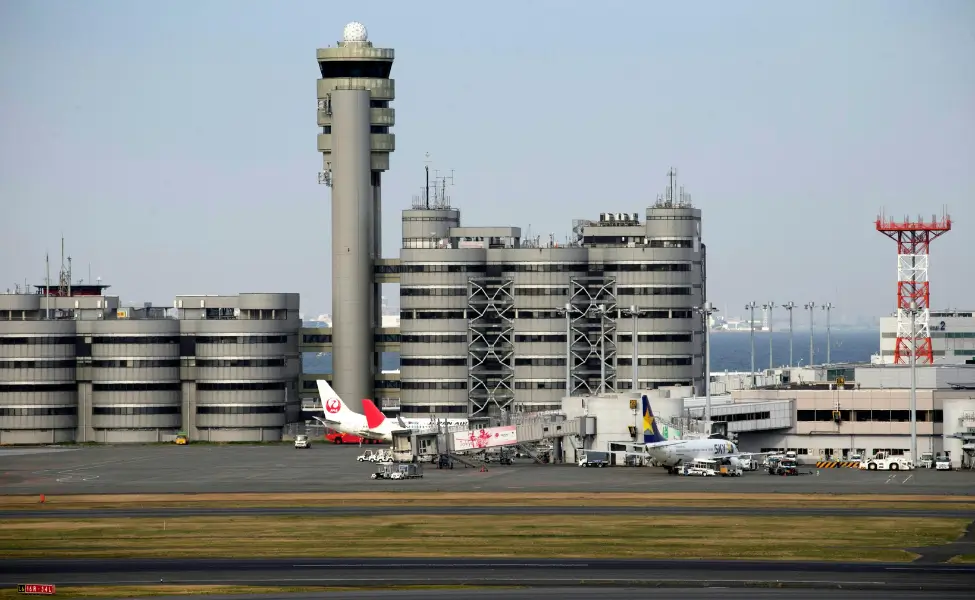
A logical trip uses that entry point rather than fighting it.
You spend a few days in Tokyo, take the shinkansen to Nagoya in under two hours, use Nagoya as a base for day trips through Aichi and Gifu, then travel east toward Tokyo again before your departure flight.
One of the two routes in this article takes you through mountain towns and into Nagano.
The other takes you down into the Izu Peninsula, along its east coast to Shimoda, and back up through Kamakura.

Neither doubles back on itself and neither wastes a day on backtracking.
One thing before we start.
This is a 12-day itinerary in the genuine sense.
It includes arrival breathing room, slower travel days and a final easy day in Tokyo before departure.
Most itinerary articles skip this entirely, which is why so many people arrive exhausted and leave without having properly slept.
Build it in from the start and the whole trip works better.
Why Use Nagoya as a Base in Central Japan?
The most common objection to this route is Nagoya itself.

People ask whether it is worth stopping in an industrial city.
That question tells you everything about how Nagoya gets covered in travel content and nothing about what the city is actually like.
Nagoya has its own food culture, known locally as Nagoya-meshi.
Hitsumabushi is grilled eel over rice, eaten in three different ways at the table, in a ritual that is part of the pleasure of ordering it.
Miso katsu is breaded pork cutlet in a thick red miso sauce that has nothing in common with the lighter versions found elsewhere in Japan.
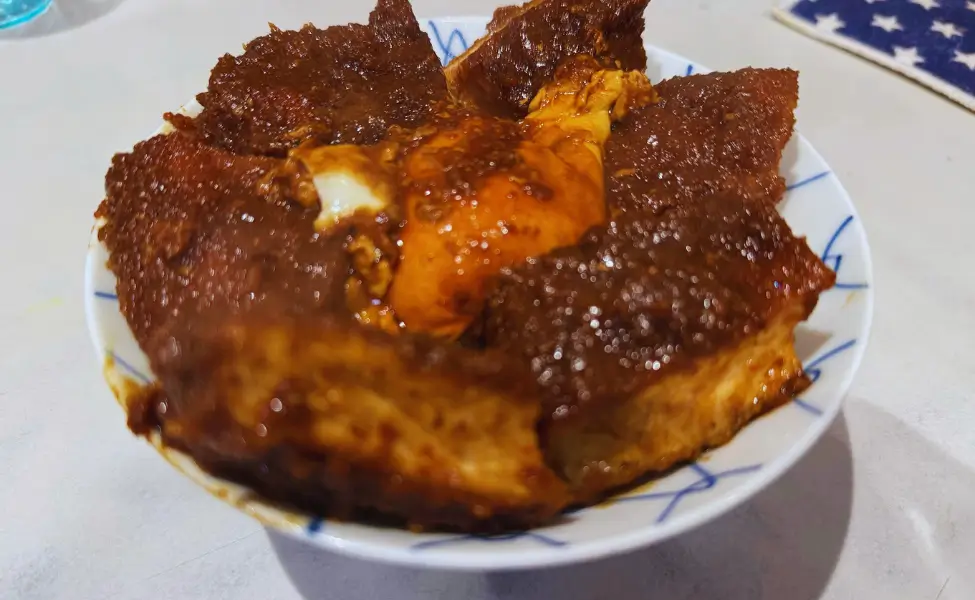
Tebasaki chicken wings are seasoned and fried to a particular crisp that people travel specifically to eat.
Kishimen flat noodles appear in broth and cold preparations, including at the stall inside Atsuta Jingu.
Ogura toast, sweetened red bean paste spread on thick morning toast, is what people eat for breakfast in the kissaten cafes that Nagoya has kept alive far better than most Japanese cities.
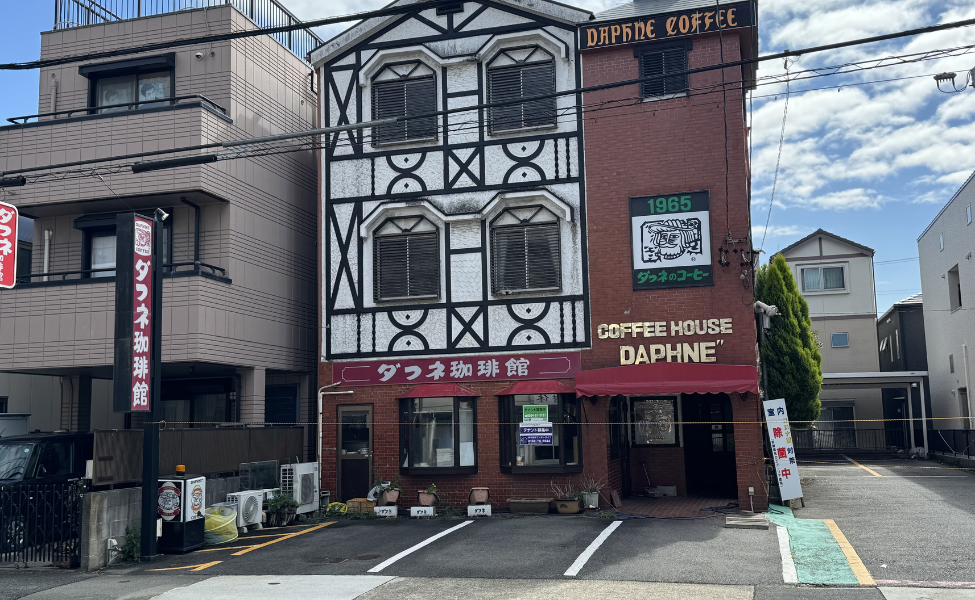
Beyond the food, Nagoya opens up some of the best day trips in this part of Japan.
An hour north is Japan’s oldest surviving castle keep.
Head east and you reach ancient pottery towns along the Aichi coast.
The mountains of Gifu hold a water town responsible for producing the majority of Japan’s plastic food samples.

On summer and early autumn evenings, cormorant fishing takes place by torchlight on the Kiso River.
None of this is heaving with tour groups, and that alone should settle the argument.
The Route at a Glance
Days 1 to 6. Shared Route
- Day 1. Arrive in Japan, optional Narita town stop
- Day 2. Classic Tokyo
- Day 3. Local Tokyo neighbourhood or Kamakura day trip
- Day 4. Shinkansen to Nagoya, settle in, first Nagoya dinner
- Day 5. Nagoya city day, Atsuta Jingu, Osu and Sakae
- Day 6. Aichi day trip, choose one option based on your travel style
Route A. The Mountain Arc
- Day 7. Nagoya to Gujo Hachiman
- Day 8. Gujo Hachiman full day
- Day 9. Gujo Hachiman to Gero Onsen
- Day 10. Nakasendo post towns
- Day 11. Matsumoto, then Tokyo
- Day 12. Easy day in Tokyo
Route B. The Coastal Finish
- Day 7. Nagoya to Shuzenji
- Day 8. Shuzenji to Shimoda
- Day 9. Shimoda full day
- Day 10. Shimoda to Atami to Kamakura
- Day 11. Kamakura to Tokyo
- Day 12. Easy day in Tokyo
Which Route Fits Your Travel Style?
| Route A. The Mountain Arc | Route B. The Coastal Finish | |
|---|---|---|
| Mood | Active, cultural, mountain scenery | Relaxed, coastal, slower pace |
| Onsen night | Gero Onsen (Day 9), riverside town in Gifu | Shuzenji (Day 7), bamboo forest setting |
| Standout place | Gujo Hachiman | Shimoda |
| Best for | Castle fans, history lovers, walkers | Families, food travellers, people who need rest by Day 7 |
| Transport | Highway bus plus optional hire car for Gifu | Train throughout, no car needed |
| Physical demands | Moderate. Walking days in mountain towns | Lower. Flatter coastal pace throughout |
| Travelling with children | Harder from Day 7. Mountain towns less suitable | Better. Izu peninsula easier with children |
Choose Route A if you want mountain scenery, a ryokan night in one of Japan’s three most celebrated onsen towns and the kind of old post town atmosphere that photographs barely suggest.
Gujo Hachiman is genuinely one of the most beautiful small towns in central Japan and most international visitors have never heard of it.
Choose Route B if you want to slow down as the trip winds up. Izu gives you coast, onsen, seafood and a pace that works as proper recovery after days of moving from place to place. If you feel tired by Day 7, Route B is the smarter choice.
Train, Car or a Mix of Both?
Trains Only
Trains suit first-time visitors who want predictable, stress-free travel.
The Tokyo to Nagoya shinkansen is one of the smoothest journeys in the country, and Nagoya’s subway covers the city’s main areas without difficulty.

The train network handles these legs well, covering all the main sections of this itinerary without a hire car.
- Tokyo, Nagoya city and all subway connections
- Inuyama (Meitetsu line, around 30 minutes from Nagoya)
- Gujo Hachiman by highway bus from Meitetsu Bus Centre (around 90 minutes)
- Nakasendo area via Nagiso Station
- Matsumoto, Shuzenji, the Izu peninsula and Kamakura
Where trains fall short is the Chita Peninsula, which requires a car for most of it, and anywhere needing flexible rural travel in Gifu.
Hire Car
A hire car unlocks the Chita Peninsula properly, gives you flexibility on the Izu west coast and simplifies the mountain days in Route A.
You do not need one for the full trip, and both routes work by public transport.
Bring your International Driving Permit if you plan to drive, as it is required for foreign visitors throughout Japan.
If you plan to drive on the Izu Peninsula, check toll road payment options in advance, as cash may be required on some sections.
The Mixed Approach
This is the practical sweet spot for most people on this itinerary.
Train for Tokyo, the shinkansen to Nagoya, Nagoya city days and your chosen route east.
Hire a car for two or three days if you want to explore the Chita Peninsula properly or go deeper into rural Gifu.
Return it before heading back toward Tokyo.
Day-by-Day. Days 1 to 6
Day 1. Arrive in Japan
There is no sightseeing on Day 1, but if you are arriving at Narita, there is an option worth knowing about that most people miss completely.
Narita town is not just the airport.
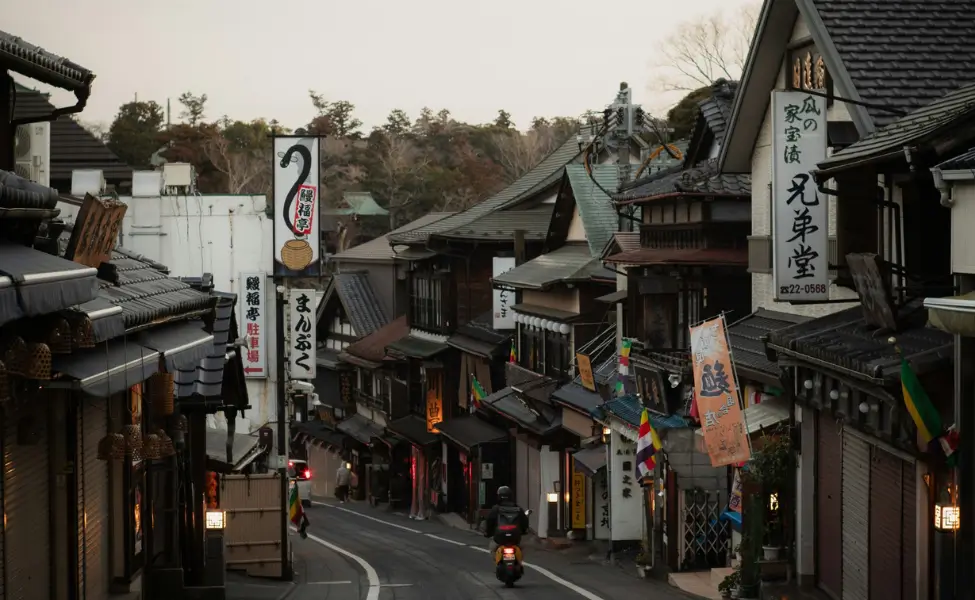
The Naritasan Omotesando is an 800-metre shopping street running from the station up to Naritasan Shinshoji Temple, a Buddhist complex founded in 940 that draws over 10 million visitors a year.
The street is lined with Edo-period wooden shopfronts, eel restaurants, souvenir shops and signage that looks like it has not changed since the Meiji era.
Unagi is the local speciality and restaurants here have been serving it to pilgrims for generations.
If you arrive in the morning, dropping your bags at a hotel near Narita Station and spending the afternoon walking the nice Naritasan Omotesando Street is a genuinely good way to ease into Japan.
You can head into Tokyo the next morning with less of the usual fog.
The Goma fire ritual at the temple is performed six times daily and is free to observe.
Arriving at Haneda instead?
Go straight to your Tokyo hotel, eat something nearby and sleep early.
Pace note Do not add Tokyo sightseeing on Day 1. Even if you feel fine on arrival, you probably are not.
Day 2. Classic Tokyo
Most people want to start at Asakusa, and it earns the attention.
Sensoji is crowded, but arrive before 9am and it becomes manageable.

The Nakamise shopping street leading to the temple gate is the obvious route, but the side streets running parallel are where the more interesting small shops and food stalls tend to sit.
Allow a couple of hours here.
Kappabashi Street, a short walk away, is the wholesale kitchen supply district where you can buy Japanese knives, ceramics and the plastic food replicas used in restaurant windows.
Gotokuji Temple makes a strong afternoon addition for anyone who wants something genuinely different.
Known as the lucky cat temple, the grounds are filled with hundreds of white cat figurines left as offerings over the years.

It is serene rather than spectacular, easy to reach by subway and takes about an hour to an hour and a half with travel.
The contrast with Asakusa’s energy is exactly the point.
Ebisu works well for the evening.
It is upscale and a little pricey, but the atmosphere is relaxed in a way that the busier parts of Tokyo rarely are.
The Yebisu Beer Museum is a pleasant stop before dinner, and the surrounding streets reward wandering without a plan.

What to skip The Skytree, Akihabara, the Shibuya crossing as a sightseeing goal and the go-kart experiences are all fine if you specifically want them, but they tend not to be what people remember fondly. The places above give you Tokyo as it actually feels to live here.
Food note An izakaya dinner anywhere in Asakusa’s backstreets or around Ebisu works well for a first Tokyo evening.
Day 3. Local Tokyo or Kamakura Day Trip
Option A. Yanaka Neighbourhood
Yanaka survived the Second World War without the destruction that reshaped much of the city, so it still has winding lanes, old wooden houses, quiet temple grounds and architecture that feels genuinely old rather than reconstructed for visitors.
You can spend two to three hours just walking and eating without any plan.

The Yanaka Ginza shopping street is the busiest part, but the real character of the area sits in the quieter lanes surrounding it.
Shimokitazawa is a completely different option if you prefer a younger, more creative atmosphere.
Record shops, vintage clothes, small theatre venues and a feel that has nothing to do with the tourist circuit make it a strong alternative.

Either neighbourhood gives you a side of Tokyo that most itineraries skip.
Option B. Kamakura Day Trip
Kamakura is around 90 minutes from central Tokyo by train and it packs in a lot.
The giant bronze Amida Buddha at Kotoku-in, Hasedera Temple with its elevated sea views and carved Kannon statue, the coastal scenery along Yuigahama Beach and hiking trails connecting shrines through wooded hills all sit within easy reach of each other.
It is genuinely one of the best day trips from Tokyo.
Be realistic about Day 3 energy, though.

Kamakura needs an early start to avoid the midday crowds, and you are still carrying some jetlag.
If you have the energy, go.
If you are still tired, Yanaka is the better call, and saving Kamakura for Route B’s Day 10 stop is no loss since it fits there even more naturally.
Pace note: Do not combine Kamakura with a Tokyo half-day.
It is one or the other, and Kamakura deserves the full day.
Day 4. Tokyo to Nagoya by Shinkansen
A mid-morning shinkansen from Tokyo Station gets you to Nagoya in under two hours.
Aim for a departure around 9 or 10am so you arrive before noon and have a proper afternoon.
Nagoya Station is enormous, one of the largest station buildings in the world by floor area, and it is easy to get turned around on the first visit.
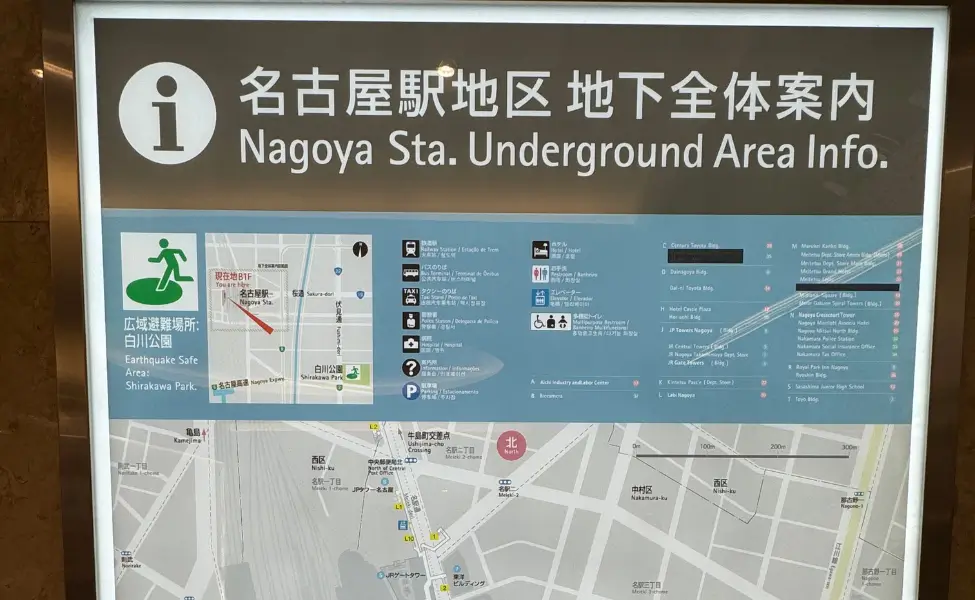
Once you are through the turnstiles and outside, the twin towers above the station building are your landmark.
The Higashiyama subway line takes you to Sakae in under ten minutes.
Both Sakae and the area immediately around the station have good hotel options at different price points.
Once you have checked in, Osu makes a natural choice for the afternoon.
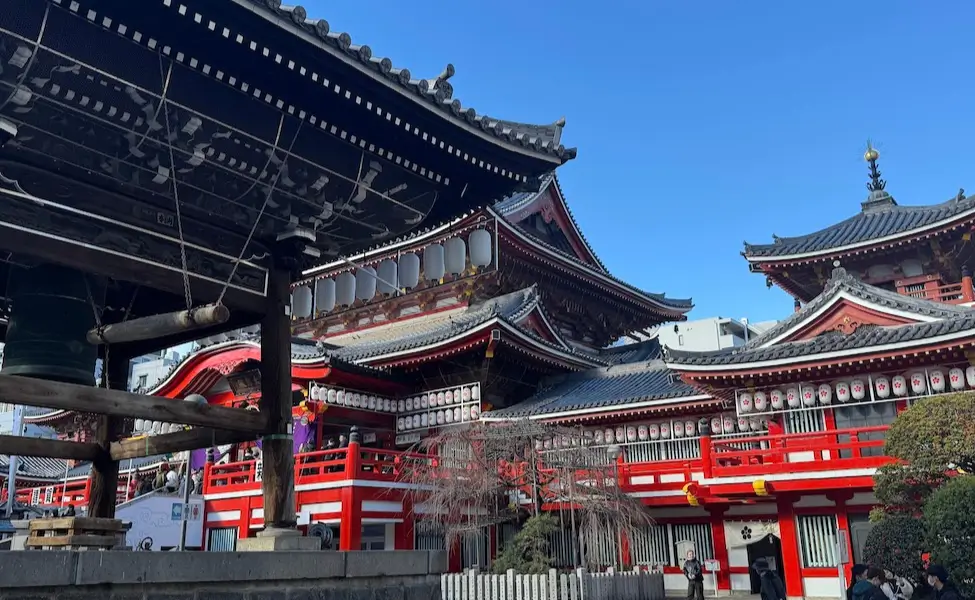
It is a covered shopping arcade a short subway ride from Sakae, with Osu Kannon Temple at one end, dozens of small shops, street food and a lively mix of traditional and contemporary that feels distinctly Nagoya.
Many shops close early, so the Osu walk works better in the afternoon before dinner.
For your first Nagoya dinner, two options cover the essentials well.
Yabaton in Sakae serves miso katsu and has an English menu.
Look for the pig mascot outside.
Horaiken is the city’s most established hitsumabushi restaurant, where sliced eel over rice is eaten in three different ways at the table, and they also have an English menu.
Both are reliable first-night options, and local alternatives nearby offer similar quality at lower prices once you know the area a little.
Pace note Day 4 is a travel day with a gentle Nagoya afternoon.
Do not bolt a full city itinerary onto it.
Day 5. Nagoya City Day
Nagoya is a large, confident city with genuinely distinctive food, historically important sites and a relaxed atmosphere that feels nothing like Tokyo.
Atsuta Jingu in the Morning
Start here rather than at Nagoya Castle.
Most itineraries send people to the castle and skip Atsuta Jingu entirely, and most travellers who follow that advice later wish they had made the opposite choice.
Atsuta Jingu ranks second only to Ise Jingu in religious significance and has a history stretching back over 1,900 years.

It enshrines the Kusanagi-no-Tsurugi, one of the three Imperial Regalia of Japan.
The other two are the imperial mirror held at Ise and the sacred jewel kept at the Imperial Palace in Tokyo.
This sword is never publicly displayed.
Its wooded grounds are large, calm and atmospheric in a way that the commercial centre of Nagoya does not prepare you for, and two to three hours here passes easily.
Why Atsuta over Nagoya Castle?
The castle is worth seeing, and the reconstructed Hommaru Palace inside is interesting if you have extra time.
There are better castles in this part of Japan, though, including Inuyama on Day 6 if you choose that option.
Atsuta Jingu offers a more distinctive and less crowded experience of what makes Nagoya historically significant.
Osu in the Afternoon
The Osu Kannon Temple and the Shotengai covered arcade make a natural afternoon together.
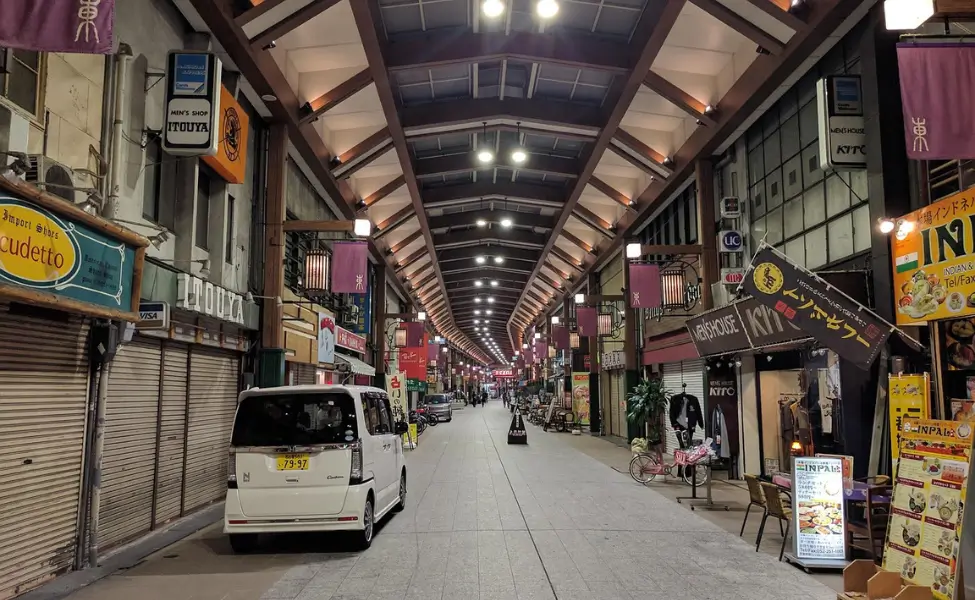
The arcade area has retro electronics shops, second-hand clothes, matcha cafes, small restaurants and the comfortable feeling of a neighbourhood used to both locals and visitors without being shaped entirely around one or the other.
Sakae in the Evening
Nagoya’s main food and entertainment district rounds out the day naturally.
If you have not tried tebasaki chicken wings yet, this is the evening for them.
Furai-bo is a well-known option serving the Nagoya style, or ask your hotel for a local recommendation near where you are staying.
Pace note Atsuta Jingu in the morning and Osu in the afternoon is a solid full day.
Save Nagoya Castle for the afternoon only if you finish early and still have energy.
Day 6. Aichi Day Trip
Do not treat this as a list to complete. Day 6 works best when you pick one option and give it the day.
Option 1 (Default). Tokoname and the Chita Peninsula
Tokoname is one of Japan’s ancient kiln towns, accessible by train in around 45 minutes from Nagoya.
The older area of town takes a short walk to reach from the station, but the character of the place rewards the effort.
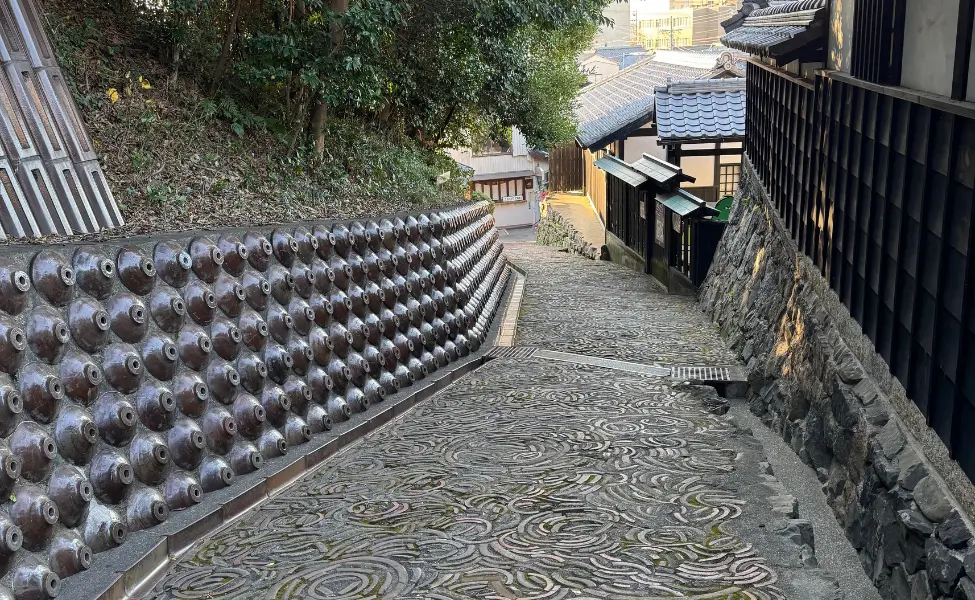
Ceramics shops, cafes and galleries line winding paths.
Walls carry decorations made from sake bottles and chimney tile fragments.
An oversized Maneki-neko watches over the main street, and the stretch of lucky cat statues has become something of a local landmark.
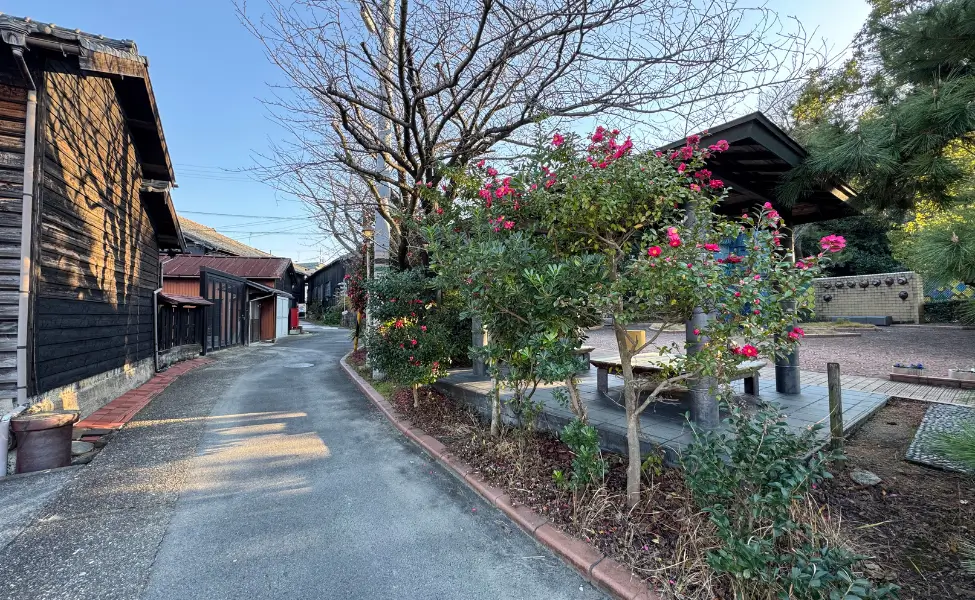
It is not a full-day destination on its own, so if you are driving, the Chita Peninsula beyond Tokoname is worth exploring further.
Seafood options sit along the coast, fruit picking is available in season and the quieter coastal atmosphere reaches places that most Nagoya day trips never get to.
Without a car, Tokoname is the main draw and a genuinely satisfying half-day.
Visitors with reduced mobility should be aware that the winding paths in Tokoname’s old town have some uneven surfaces.
Option 2 (Families). Nagashima Resort
Nagashima Spaland is around 40 minutes from Nagoya and includes a large theme park, water park and onsen complex. If you are travelling with children it works well as a full day.

Nabana no Sato on the same site has seasonal illuminations that draw large numbers of visitors in winter.
Option 3 (Studio Ghibli Fans). Ghibli Park
Ghibli Park sits at the end of the Higashiyama subway line at Fujigaoka Station, then a short ride on the Linimo automated railway.
The total journey takes around 45 minutes to an hour from central Nagoya.
Critical information before you add this to your plans.

Tickets cannot be bought at the park gate.
They must be booked in advance, and competition for popular dates is serious.
Tickets are released on the 10th of each month for dates two calendar months ahead and they sell out quickly.
If your preferred date is not available, there are no alternatives on the day.
The park is not a theme park in the conventional sense.
There are no rides.
It is designed for dedicated Studio Ghibli fans who want to walk through recreated environments from the films.
Satsuki and Mei’s house from My Neighbour Totoro is there, along with settings from Spirited Away.
Structures from Howl’s Moving Castle and Princess Mononoke complete the experience. If you are not a genuine fan of those films, the park probably will not justify the planning it requires.
If you are, it delivers exactly what it promises.
Option 4 (Castle Lovers). Inuyama
Inuyama is about 30 minutes north of Nagoya on the Meitetsu line from Meitetsu Nagoya Station, and it is the strongest castle day trip in this part of Japan.
The castle, built in 1537, is Japan’s oldest surviving original keep and one of only five castles designated as National Treasures.
The view from the top over the Kiso River is excellent, and because the upper walkway circles the exterior of the keep, you get a full 360-degree panorama that most Japanese castles do not offer.

The stairs are steep by design, since they were built to slow attackers, and the castle is not ideal for people with mobility issues or very young children.
That physical engagement with the space is part of what makes it feel genuinely different from the reconstructed castles found throughout Japan.
The castle town at the base has shops, street food and a pleasant atmosphere.
Dengaku skewers, miso-glazed tofu and vegetables on sticks, are a local speciality.
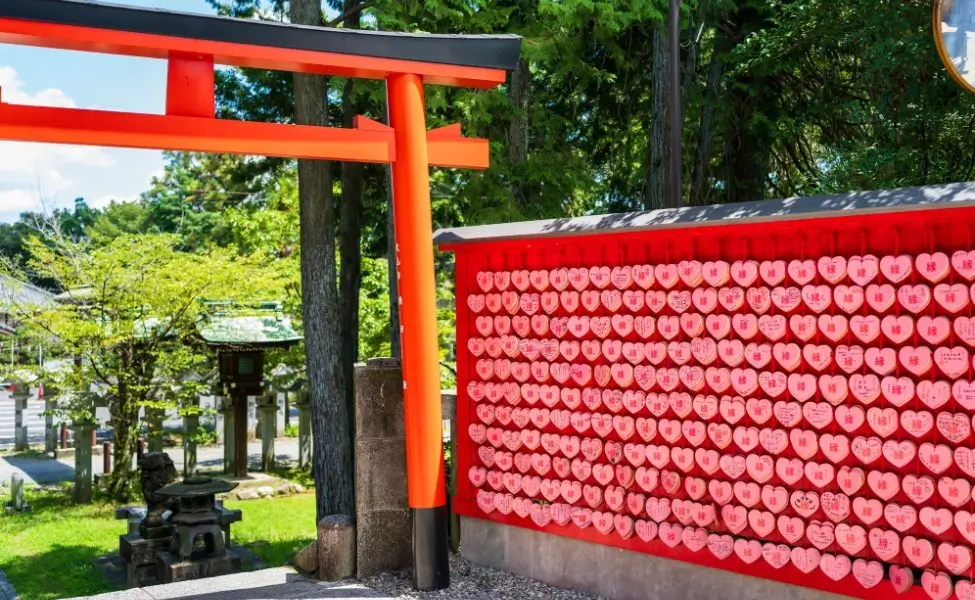
The Sanko Inari Shrine at the foot of the hill has rows of red torii gates and pink heart-shaped ema prayer plaques if you want a short detour.
If you are visiting between 1st June and 15th October, ukai takes place on the Kiso River at night.
Ukai is cormorant fishing, an ancient practice where trained birds catch sweetfish by torchlight while you watch from a sightseeing boat.
It sounds like it might be a tourist gimmick and it turns out to be genuinely compelling to watch.
One honest warning before you book.
Once you board the boat, there is no access to a toilet until the tour ends. Plan accordingly.
Pace note Do not try to combine Tokoname and Inuyama in one day.
Route A. The Mountain Arc (Days 7 to 12)
Day 7. Nagoya to Gujo Hachiman
Gujo Hachiman is, in my honest opinion after three decades living in this region, the finest small town in central Japan.

Most international visitors have never heard of it.
It is a water town in the mountains of Gifu, with stone canals running through old streets, traditional merchant houses built along the river, a castle on the forested hillside above and an atmosphere that belongs entirely to itself.

The town is known for two things beyond the scenery.
It produces the majority of Japan’s plastic food samples, the incredibly detailed replica dishes displayed in restaurant windows, and workshops in the town let you make your own.
It also hosts the Gujo Odori, one of Japan’s most famous bon dance festivals, running for 32 nights between mid-July and early September.

To get there without a car, take the highway bus from Meitetsu Bus Centre near Nagoya Station.
The journey takes around 90 minutes and costs around 2,400 yen one way.
A round-trip ticket valid for four days costs around 4,400 yen.
Get off at Gujo Hachiman Jokamachi Plaza, which puts you in the town centre.
Some buses stop only at the interchange outside town, which is a different stop requiring a separate connecting bus.

Food note Ayu sweetfish is the local river speciality in summer. Look for simple riverside restaurants rather than tourist-facing menus.
Pace note Staying overnight is the better call rather than making this a day trip. The town in the evening and early morning is a completely different experience from the midday visitor rush.
Day 8. Gujo Hachiman Full Day
Gujo Hachiman rewards slow walking more than any checklist approach.
The older streets around the old city hall area and along the canals are the heart of the town, and wandering them without a schedule is the right way to spend the morning.
The castle on the hillside is worth the climb for the view down over the rooftops and river.

If you want a structured activity, the food sample workshops are in the town centre and take around an hour.
They book up on busy days, so check ahead or arrive early.
Ayu is worth seeking out for lunch or dinner if it is the right season.
Sweetfish from the Nagara River is served grilled simply and eaten whole, and in a riverside town like this it tastes noticeably better than it does anywhere else.
Pace note This is a day for the town to reveal itself rather than for you to work through a list. The people who enjoy Gujo most are the ones who stopped planning and started walking.
Day 9. Gujo Hachiman to Gero Onsen
Gero is one of Japan’s three most celebrated onsen towns, sitting south of Gujo along the Hida River.
The journey from Gujo requires at least one connection and the routing varies by season, so check current timetables before your travel day.
Aim to arrive in the afternoon and give the rest of the day over to the experience itself.

Check into your ryokan, change into a yukata, use the onsen in the hotel and eat the multi-course dinner served in your room.
The larger Gero ryokan catering to international guests have English guidance available and are well practised with first-time visitors.
For anyone doing this for the first time, a brief note on communal bath etiquette.
Wash thoroughly at the shower stations before entering the communal bath, do not bring your towel into the water and keep the noise at a level that matches the room.
Nobody is watching you.
The whole point of the place is quiet, warmth and the food that comes afterwards.
Pace note Do not arrive at the ryokan after 6pm if you can avoid it.
Check-in times matter more at traditional inns than at standard hotels, and dinner is usually served at a set time.
Day 10. Nakasendo Post Towns
The Nakasendo was one of the five great highways of feudal Japan, connecting Edo to Kyoto through the mountains of central Honshu.
Magome and Tsumago are the two most preserved post towns on this route, with an 8km walking path between them through forest and farmland.

From Gero, the route takes you toward Nagiso Station with at least one connection along the way. Check the timetable for the current routing before your travel day.
Luggage forwarding between the two towns is available for a fee and is worth using if you want to walk without your bags.
One honest word about expectations.
Magome and Tsumago look exactly like their photographs from certain angles, but those photographs are taken before the crowds arrive or in the handful of spots without people in frame.

On busy weekends and during autumn leaf season, both towns can be genuinely crowded.
Go early, eat local soba and gohei mochi (rice cakes on skewers with walnut or sesame paste) and accept that you will not have the streets to yourself.
Bring cash.
The Nagiso Station area and many of the traditional businesses along the walking route still operate cash-only.
Nakatsugawa, just down the line from Nagiso, is worth a quick stop for kurikinton, a local chestnut sweet the town is known for throughout the region.
Pace note This is a walking day. The path between the towns is genuinely pleasant but not suitable for young children or anyone with significant mobility issues on the off-road sections.
Day 11. Matsumoto, Then Tokyo
From the Nakasendo area, Matsumoto is the most natural final stop before Tokyo.
It sits in Nagano Prefecture with the Japanese Alps visible on clear days, and Matsumoto Castle is one of the most visually striking original keeps in Japan.

Known as Crow Castle for its black exterior, it is a National Treasure and holds its own against any castle in the country.
A half-day here covers the main points well.
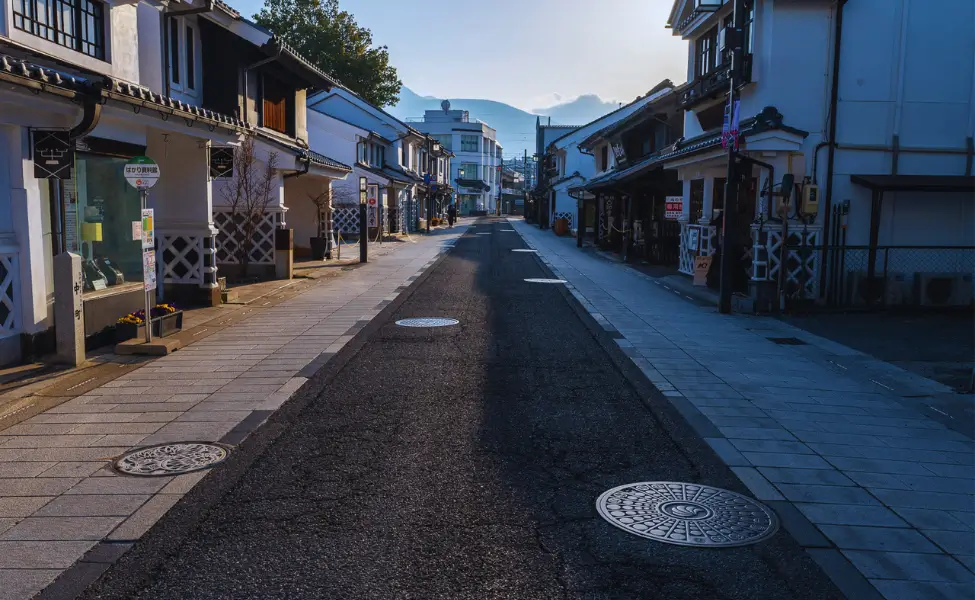
The castle and its moat in the morning, then Nakamachi Street, the old merchant district nearby, for lunch.
Nakamachi has well-preserved kura storehouse buildings now housing cafes and craft shops, and the local soba is excellent.
Asama Onsen sits just outside the city if you want a soak before the evening train, though it requires a taxi ride from the centre.
It is a smaller, quieter option than Gero, but a good one if you want one last bath.
From Matsumoto, trains connect to Tokyo in roughly two and a half hours via the Azusa limited express to Shinjuku.
An evening arrival leaves you settled in Tokyo for the final easy day.
Pace note Matsumoto Castle gets busy in the afternoons.
Get there before 10am if at all possible.
Route B. The Coastal Finish (Days 7 to 12)
Day 7. Nagoya to Shuzenji
Take the shinkansen from Nagoya to Mishima, then the Izu-Hakone Railway to Shuzenji.
The total journey takes around two hours. Aim to arrive by mid-afternoon.
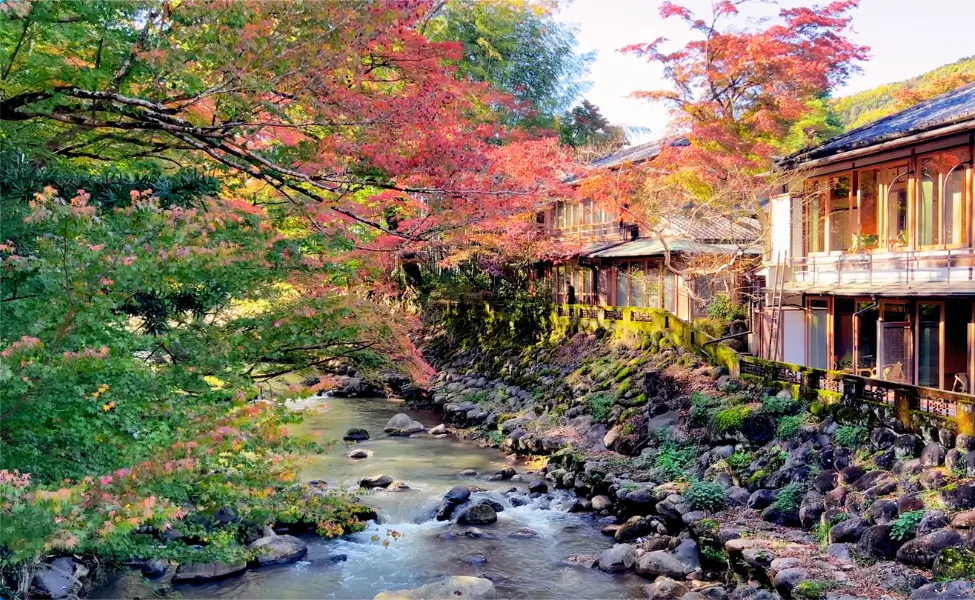
Shuzenji is sometimes called the Little Kyoto of Shizuoka. That comparison flatters it somewhat, but it captures the mood.
The bamboo forest path, Chikurin-no-komichi, runs along the Katsura River through tall bamboo with small benches placed along the route.
Shuzenji Temple was founded around 1,200 years ago, in 807, by the monk Kobo Daishi.

The foot bath called Tokko-no-yu sits in the middle of the river itself, free and open to anyone, and standing in a natural hot spring while the river flows around you is an unusual experience.
Five bridges span the Katsura River within easy walking distance of the temple, with the red Katsura Bridge being the most photographed.

Book a riverside ryokan for this night.
A good meal, a quiet bath and the sound of the river outside is the right way to begin the Izu section.
What to skip Shuzenji Niji-no-Sato, a theme park nearby featuring recreated foreign villages, does not suit the mood of the rest of the day.
Pace note Day 7 in Route B is about arrival and settling. Do not add Ito or Atami onto this day.
Day 8. Shuzenji to Shimoda
The Izu Kyuko line runs from Ito south along the east coast of the peninsula to Shimoda.
The scenery along this stretch is excellent, particularly once you pass Ito and the coastline opens up properly.
Shimoda is a coastal town with a clear historical identity.
Commodore Perry’s black ships arrived here in 1854, making it one of the first places outside Nagasaki where Japan engaged with the outside world after centuries of isolation.
Perry Road is a pleasant canal-side street named in his honour, lined with old stone buildings housing cafes and small shops.
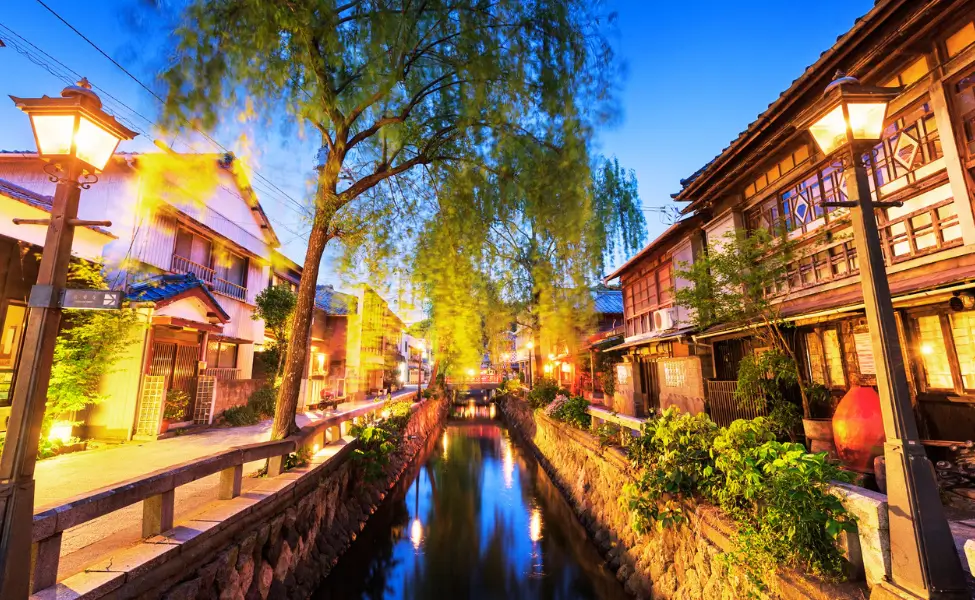
The port area has a genuinely good atmosphere in the evening.
Fresh seafood is the food priority here.
Look for restaurants near the harbour rather than on the main tourist street.
Day 9. Shimoda Full Day
Shimoda does not need a plan. It is a beautiful town on the coast, and by Day 9 most people need rest more than another list of attractions.
Walk the streets, eat well, sit by the port for a while.
If you want one anchor for the day, Cape Irozaki at the southern tip of the peninsula offers dramatic coastal cliffs and open ocean views.
Shirahama Beach is one of the better stretches of white sand in the area if the weather is on your side. Neither is essential.
Shimoda rewards wandering more than it rewards a checklist, and the unhurried day is itself the point.
Pace note Let this day breathe. It is one of the clearest arguments for choosing Route B.
Day 10. Shimoda to Atami to Kamakura
The Izu Kyuko line from Shimoda back up to Atami takes around 90 minutes.
Leave in the morning so you have time at both stops.

Atami is a classic Japanese resort town on Sagami Bay, and it is best approached with a modest agenda and a good appetite.
A seafood lunch near the waterfront, a walk along the coast and, if timing and energy allow, a visit to the MOA Museum of Art on the hillside above the town with its views over the bay and strong collection of Japanese and Eastern art.
That is about right for Atami.
If you are slow to start, cut it to just lunch and keep moving.
From Atami, the Tokaido line takes you to Kamakura in around 90 minutes with a change at Ofuna.
Kamakura in the afternoon gives you time for the two strongest stops.

Kotoku-in, home to the giant bronze Amida Buddha standing in the open air after its covering hall was destroyed in the 15th century, is the obvious centrepiece.
The statue stands around 13 metres including its stone base, and the setting against the wooded hills of Kamakura is genuinely impressive.
Hasedera Temple nearby has terraced gardens, a large carved wooden Kannon statue inside the main hall and a view from the upper terrace over the town and sea that is worth the climb.

Stay for dinner in Kamakura if you have the energy.
Pace note This day works well if you leave Shimoda by mid-morning.
If you are slow to start, cut Atami to just lunch and keep moving.
Day 11. Kamakura to Tokyo
Kamakura before the day-trippers arrive is a different place.
The hiking trails connecting shrines through the wooded hills are worth doing if you have the energy and the legs for it.
The Hase area has good coffee shops for a slower morning.
Get back to Tokyo by early afternoon and enjoy an easy evening in the city.
Day 12. Easy Day in Tokyo
The depachika basement food halls in any major Tokyo station are a satisfying last stop for food gifts and for eating one more thing you did not get to earlier in the trip.
A final walk through a neighbourhood that stuck with you.
A meal somewhere you have been meaning to try.
Do not schedule sightseeing.
Just be in the city for one more day before you go.
Where to Add an Onsen Night
Both routes include a proper onsen experience, but they sit in different parts of the trip and serve different purposes.
Route A. Gero Onsen (Day 9)
Gero is one of Japan’s three most celebrated onsen towns and the natural choice for Route A, since nothing else in the mountain arc provides a proper ryokan night.
You check in, change into a yukata, eat a multi-course dinner served in your room and use the onsen baths in the hotel.
The larger Gero ryokan catering to international guests offer English menus and etiquette guidance, and they are well practised with first-time visitors.
The food is consistently the highlight of any ryokan stay.
Expect a seasonal multi-course meal reflecting the mountain ingredients of the surrounding area.
Route B. Shuzenji (Day 7)
Shuzenji covers the onsen requirement for Route B and acts as a gentle introduction to the Izu section.
The town has the bamboo forest path along the Katsura River, the ancient Buddhist temple founded by Kobo Daishi, the unusual foot bath sitting in the middle of the river and the five bridges that make an easy evening walk.
A riverside ryokan here is a very good way to spend a night. Book ahead, as the better properties fill up well in advance.
Where to Stay
- Tokyo Shinjuku, Asakusa or anywhere close to a central subway line gives you the most flexibility. Asakusa suits first-timers well for atmosphere and access. Avoid hotels that require multiple subway changes to reach anywhere central.
- Nagoya The Sakae area puts you centrally with good access to food, nightlife and the subway. Fushimi, sitting between the station and Sakae, is a slightly quieter option that still works well.
- Ryokan nights Book before you leave home. The better-value options in both Shuzenji and Gero fill up well in advance, and last-minute bookings leave you with a limited selection.
- Shimoda Accommodation near the port area gives you the best access to the town’s evening atmosphere and the seafood restaurants.
What to Skip on This Trip
- Nagoya Castle on a tight schedule Worth seeing if you have time after Atsuta Jingu. If you can only do one, choose Atsuta. It gives you a more distinctive and less crowded experience of what makes Nagoya historically significant.
- The Shibuya crossing It is a busy pedestrian crossing. It gets busy, then it empties, then it gets busy again. That is it.
- The Skytree The views from the top are good, but the queues are long and Tokyo has other elevated viewpoints with shorter waits.
- Cramming Kyoto into a single day If Kyoto is your priority, this is not your trip. It deserves more than a rushed day bolted onto another itinerary, and central Japan deserves more than being treated as the detour you take on the way there.
12 Day Japan Itinerary FAQs
Yes, it is designed specifically around that. You arrive in Tokyo, use Nagoya as your central base for Days 4 to 6 and into your chosen route, then return to Tokyo before flying home. Nothing doubles back on itself at any point.
Probably not. The current 7-day Ordinary JR Pass costs 50,000 yen, and several key legs in this itinerary are not covered by the pass. For this particular itinerary, individual tickets are often the cheaper option.
No. Both routes are fully doable by public transport, though the Chita Peninsula on Day 6 is more limited without one. A car for two or three days in central Japan is worth considering if you want to explore the peninsula properly or go deeper into rural Gifu. For everything else, trains and buses cover the route well.
Route B is the better fit for families from Day 7 onward. The Izu peninsula is easier to navigate with children than the mountain towns of Route A, and the daily pace is less demanding. Day 6’s Nagashima option is specifically suited to families, and Ghibli Park is a natural draw if your children know the films, provided you have booked tickets well in advance.
Spring (late March to May) and autumn (October to November) offer the best weather and the most dramatic scenery. Summer is hot and humid but opens up the Gujo Odori festival in Route A and beach days in Shimoda for Route B.
Before You Go
Nagoya is worth it.
Most visitors figure this out within half a day of arriving.
After that, the common reaction is wishing they had planned more time here. The food alone would justify the stop.
Day trips from here make it the strongest base in central Japan.
It is worth asking why so many travel articles send people to the same three cities when this region is under two hours from Tokyo.
Central Japan has been receiving travellers for centuries.
Roads through Gujo Hachiman were busy when the Nakasendo was Japan’s main inland highway.
Onsen towns along the Hida River drew visitors throughout the Edo period.
Shimoda changed the direction of the country.
None of that history disappears because most itineraries skip past it.
What this route offers is a different angle on Japan.
Most people who take it describe it not as the trip they planned but as the trip they actually remember.